


September has always had a better claim to being the new year than January. The holidays end, schools go back, offices fill up and, after a few weeks in which lunch might consist of crisps on a train and dinner was whatever was within walking distance of the hotel, ordinary life returns with suspicious enthusiasm.
So does the urge to atone for summer. The internet is poised with post-holiday detoxes, healthy eating challenges and promises to “reset” your metabolism. Avoid the carbs! Bin the alcohol! Put protein powder in everything!
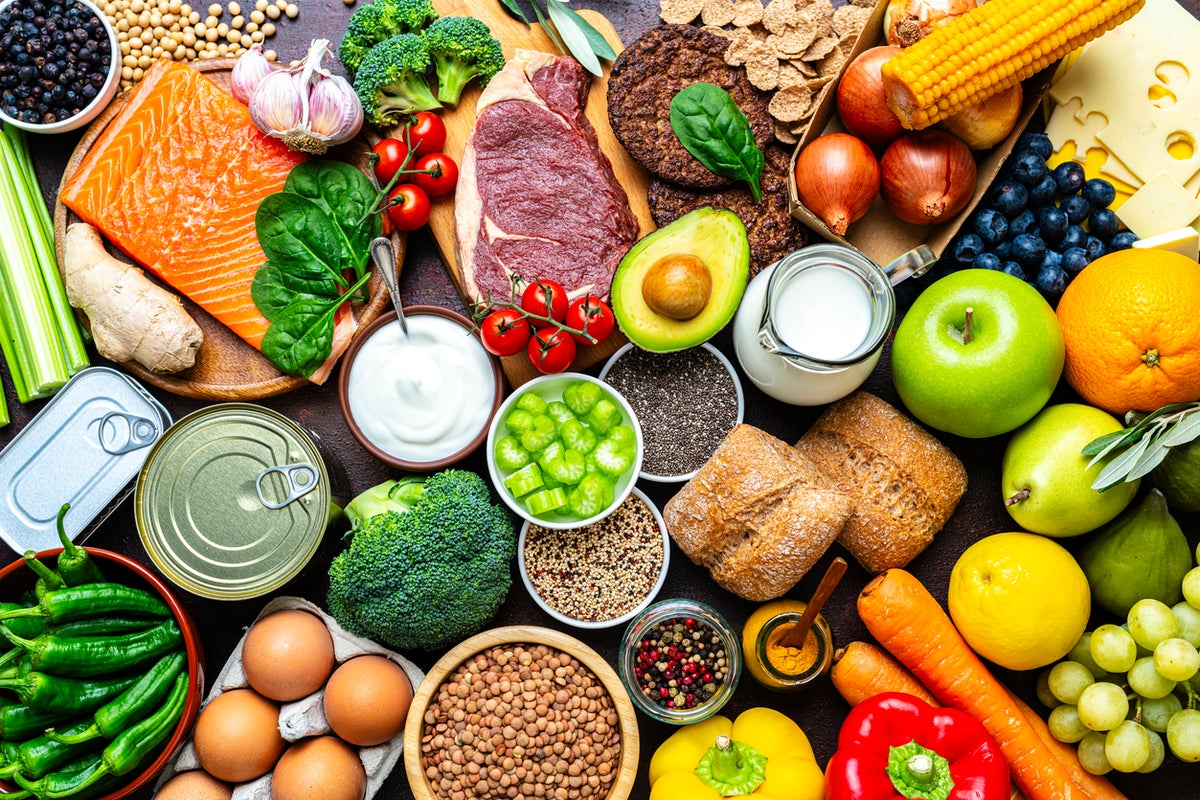
If there were a “perfect protein diet” for the September push, however, nutritionists have a rather less exciting prescription: stop chasing protein and start putting ordinary sources of it into the meals you already eat.
“There is such an enormous focus on protein at the moment that you could be forgiven for thinking you need a protein-labelled version of everything you eat!” says Rhiannon Lambert, nutritionist, founder of Rhitrition and author of the forthcoming The Fibre Formula. “For most people, however, it is absolutely possible to get enough protein from ordinary foods.”
The recommended intake for adults is around 0.75g per kilogram of bodyweight a day. The British Nutrition Foundation puts that at roughly 45g for a 60kg woman and 56g for a 75kg man. Average UK intakes are already considerably higher, at around 67g for women and 85g for men.
“And importantly, more protein isn’t automatically better,” Lambert says. For the average person, there is usually no need to chase ever-higher protein numbers once requirements are being met. Protein is essential, she says, but “it is still only one part of a healthy, balanced diet”.
Rob Hobson, registered nutritionist and author of The Low Appetite Cookbook, makes much the same point. “Protein is important for fullness and maintaining muscle, but I don’t think everyone needs to become obsessed with protein targets,” he says.
So don’t start turning every snack into a protein product. A better use of your time would be to use the protein already available in ordinary foods – and to stop treating protein as the only nutrient that matters.
In fact, it’s only one part of the September reset. Asked how people should actually eat as summer gives way to autumn, Hobson and Lambert kept returning to five fairly simple changes.
1. Spread protein throughout the day
The useful protein rule is less “eat more” than “eat it earlier”.
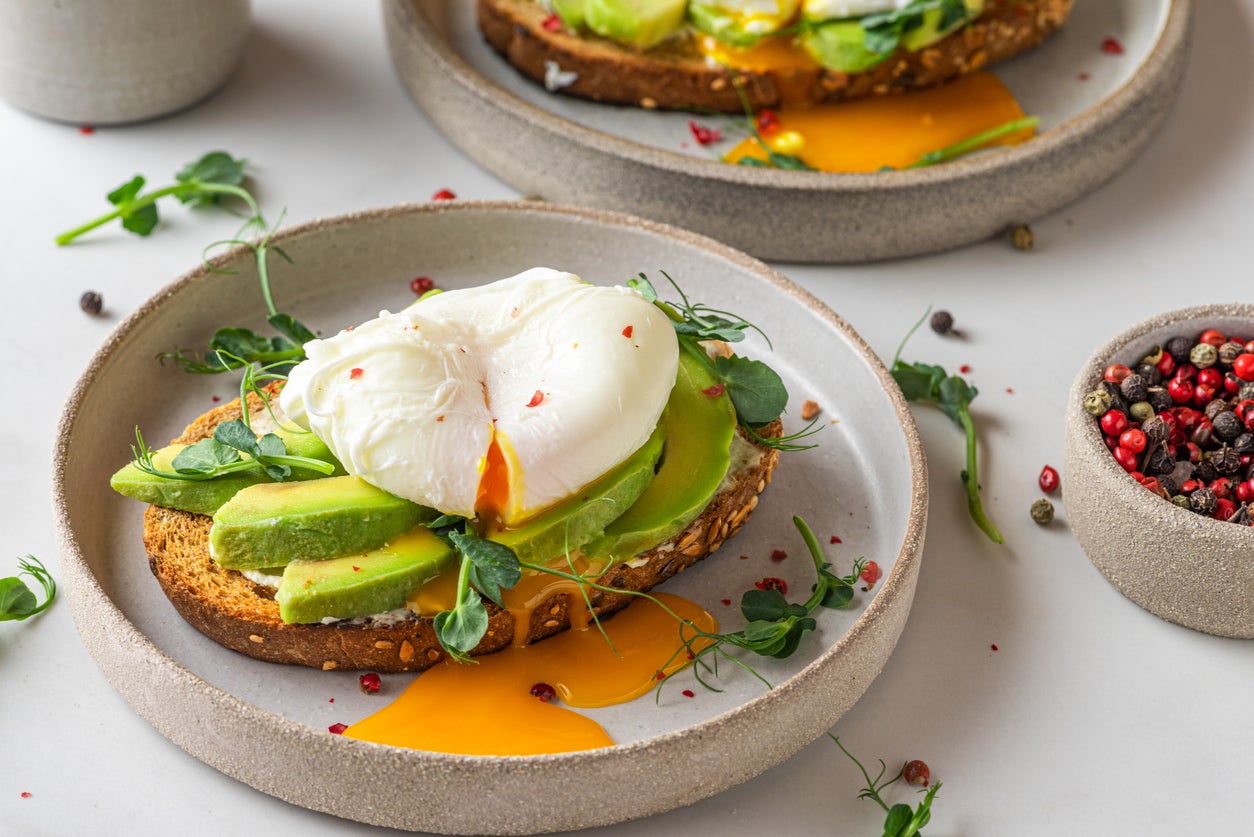
“What’s more useful is making sure you’re getting a source of protein with every meal across the day rather than eating very little until dinner which is common,” Hobson says. “Breakfast and lunch are often where people could do better. Eggs, Greek yoghurt, cottage cheese, milk, fish, chicken, tofu, beans, lentils and edamame are all good options.”
 open image in gallery
Lambert takes a similarly practical strategy. “A really easy approach is to look at your usual meals and ask where the protein is,” she says. “Add Greek yoghurt and nuts to breakfast, beans or lentils to a soup or pasta sauce, tuna or eggs to a jacket potato, or chickpeas to a salad.” She adds that even foods we do not necessarily think of as protein foods, such as oats, wholegrains and bread, contribute smaller amounts across the day.
For plant-based meals, Hobson recommends combining sources where possible – for example beans and seeds in a salad, or tofu, seeds and edamame in a stir-fry.
The point is straightforward: get some protein into breakfast and lunch rather than leaving most of it until dinner.
2. Fix breakfast and lunch before blaming the 3pm slump
The mid-afternoon crash has become another reason to put carbohydrates in the dock. Both nutritionists suggest looking at lunch first.
“One of the biggest mistakes I see is a lunch that simply isn’t substantial enough,” Lambert says. “If lunch is a tiny salad with very little carbohydrate or protein, it’s really not surprising if you’re hungry and struggling for energy a couple of hours later.”
At breakfast, Lambert says, “I like to think about breakfast as a combination of protein, fibre-rich carbohydrate, plants and healthy fats where possible. Protein and fibre can both help make a meal more satisfying, helping you avoid that mid-morning energy slump, while carbohydrate is an important source of energy for the morning ahead – we don’t need to be frightened of it!”
 open image in gallery
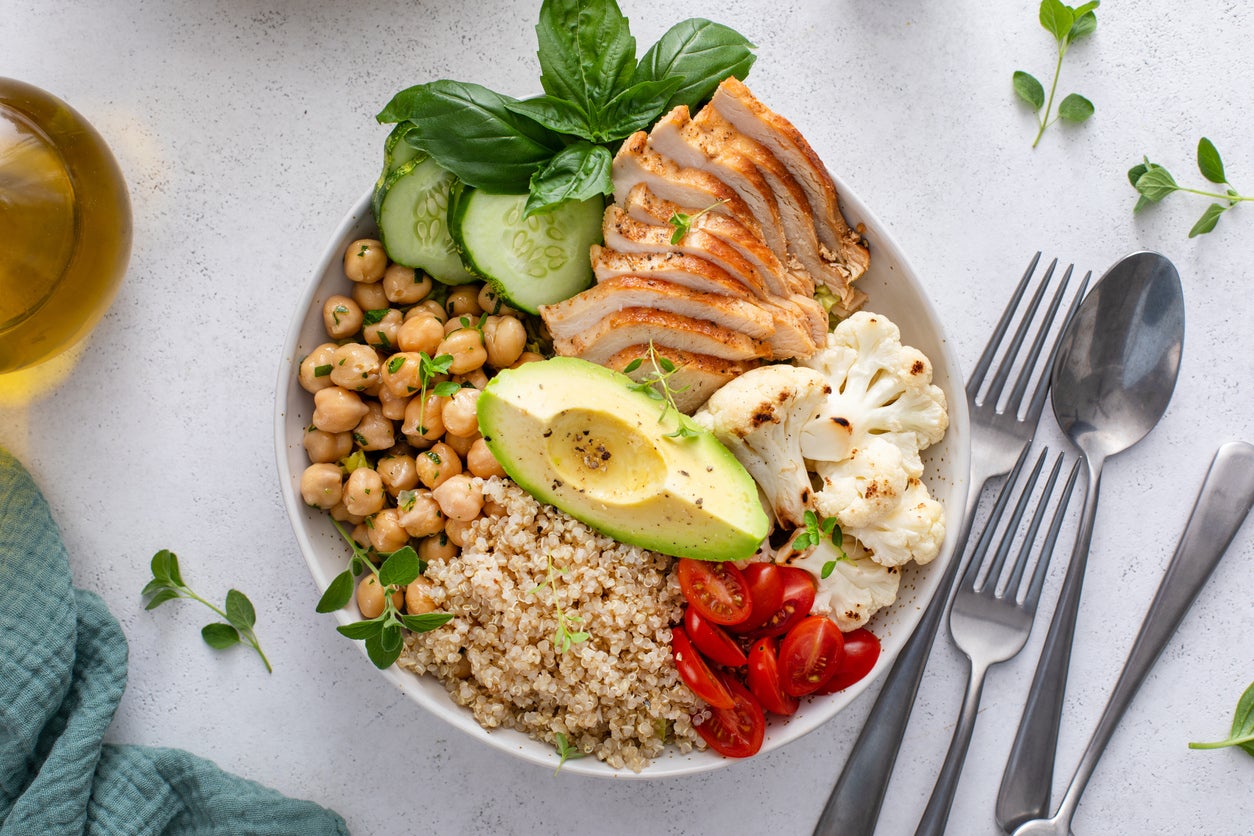
Her broad formula is protein, a fibre-rich carbohydrate, vegetables or fruit and some healthy fat.
At breakfast, that might be eggs on wholegrain toast with avocado and tomatoes, porridge with Greek yoghurt, berries and nuts, or simply a higher-fibre cereal with milk or yoghurt and some fruit. Lunch could be a wholegrain wrap with chicken, tofu or chickpeas, hummus and salad, or a grain bowl with beans and vegetables.
Before reaching for another coffee at 3pm, Hobson suggests checking the rest of the picture.
“I also wouldn’t automatically assume the afternoon slump means you need to cut carbohydrates or sugar,” he says. “Sometimes a proper lunch, a drink and a 10-minute walk in the fresh air will do far more than another coffee as a pick-me-up.”
If you are hungry, have a snack. Lambert suggests fruit with peanut butter, Greek yoghurt and berries, nuts, hummus with vegetables or oatcakes with cottage cheese.
“And I wouldn’t demonise a biscuit either! If you fancy one, have one.”
3. Keep the carbs – but make them work harder
For all the attention lavished on protein, Britain has a rather bigger problem with fibre.
Adults are advised to consume 30g a day, yet the latest National Diet and Nutrition Survey found only 4 per cent met that recommendation. Adults aged 19 to 64 averaged just 16.4g.
“This is one I feel particularly strongly about because protein is having such a huge moment, while fibre still gets nowhere near the same attention,” Lambert says. “The good news is that fibre doesn’t require expensive powders or specialist products.”
That is bad news for the September instinct to ditch carbohydrates altogether, because many of the foods nutritionists want us to eat more of are carbohydrates.
 open image in gallery
“I wouldn’t cut carbohydrates out if the goal is better energy,” Hobson says. “They’re an important source of fuel.”
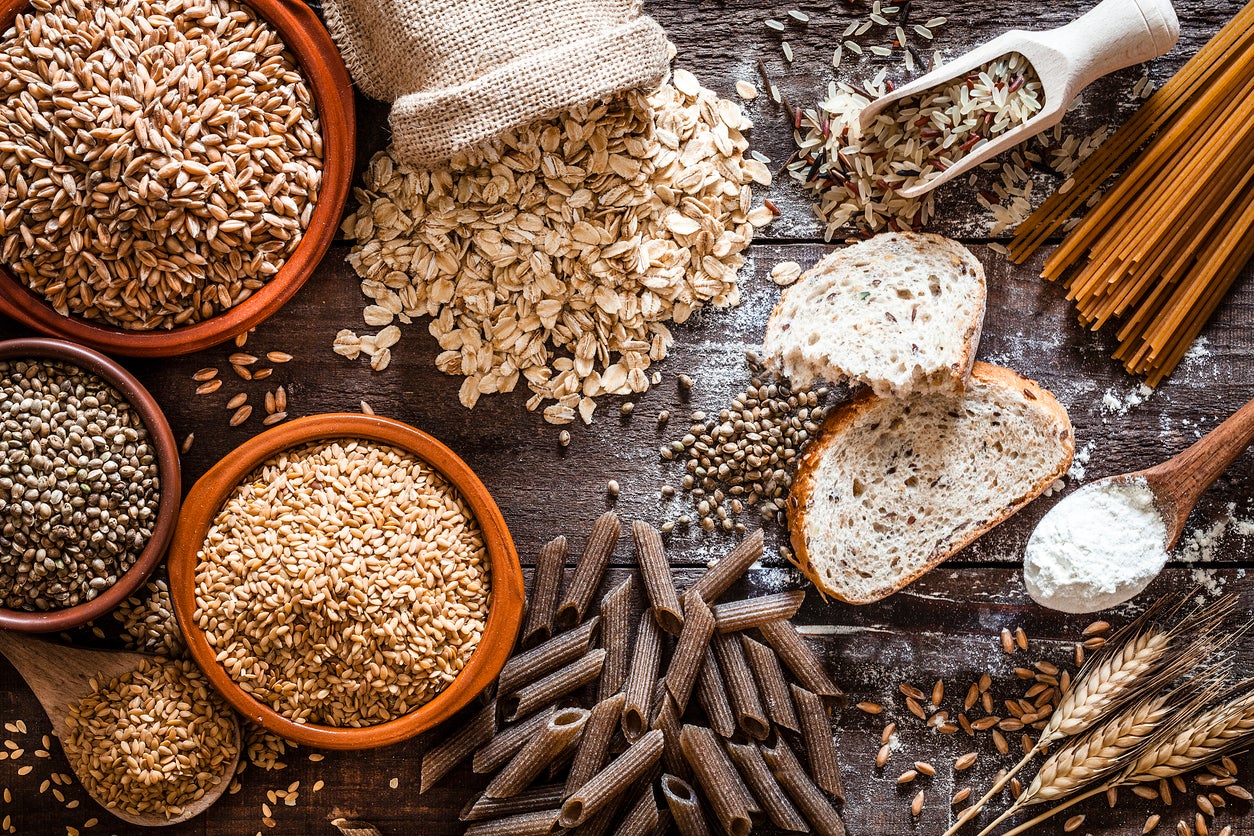
Instead, he recommends higher-fibre options: oats, wholegrain bread and cereals, potatoes with their skins, brown rice and other wholegrains. Beans and lentils are particularly useful because they bring both protein and fibre.
Hobson has a practical trick for making pulses harder to forget about: he decants tins into a container in the fridge and adds spoonfuls to scrambled eggs, salads, soups and one-pot dishes through the week.
Lambert takes the same approach to fibre more broadly. “At breakfast, choose oats or a wholegrain cereal and add berries, nuts or seeds. At lunch, opt for wholegrain bread or wraps and add beans, lentils or chickpeas. At dinner, keep the skins on potatoes, choose wholegrains where you enjoy them, add extra vegetables and bulk out dishes such as curries, chilli or Bolognese with pulses.”
4. Put your meals back on the clock
Autumn itself does not demand a different diet. September is useful because it brings back something summer often destroys: routine.
“Summer often means holidays, eating out, more snacking and less routine, so getting back to regular meals I think is really useful and can help with appetite and energy levels,” Hobson says.
Neither nutritionist recommends compensating for August by fasting, cutting food groups or embarking on a punishing diet.
 open image in gallery
“You don’t need to compensate for enjoying your summer, skip meals or suddenly cut out entire food groups,” Lambert says. “I also really encourage people to think about what they can add back in, rather than immediately making a long list of foods they need to remove.”
That might mean eating breakfast again, having vegetables with dinner, drinking enough water and reining in alcohol if holiday habits have followed you home.
Lambert advises against trying to fix everything on 1 September. “Perhaps this week you start eating breakfast regularly again, make sure you have vegetables with dinner and take a water bottle to work. Then build from there.”
Hobson also recommends making the healthy option the easy one: eggs, yoghurt, tinned beans and fish, grain pouches and frozen vegetables kept within reach so a decent dinner does not require a major project.
5. Don’t purge the UPFs – rethink convenience
The other September temptation is to clear the cupboards of anything deemed ultra-processed.
Higher UPF consumption has been associated with poorer health outcomes, but the Scientific Advisory Committee on Nutrition has cautioned against treating every food classified as ultra-processed as nutritionally identical. Its advice is to focus particularly on processed foods high in calories, saturated fat, salt and free sugars and low in fibre.
“This is something I see a lot, with people deciding they need to clear every UPF out of their kitchen cupboards,” Hobson says. “I wouldn’t get hung up on trying to eliminate them completely because they’re not all nutritionally the same. Instead, look at where they’re dominating your diet.”
A diet dominated by takeaways, packaged snacks and convenience meals is one thing. Frozen vegetables, tinned beans and fish, microwaveable wholegrains and bags of salad are another.
 open image in gallery
Lambert is equally wary of making UPFs the enemy. “Processing itself isn’t inherently bad – freezing, cooking, pasteurising and canning are all forms of processing, and they can make food safer, more convenient and more accessible.”
The aim is not to cook every ingredient from scratch. A jar of tomato sauce becomes a perfectly useful dinner base with vegetables, beans or lentils added. Frozen vegetables can rescue a midweek meal. Yesterday’s dinner can become today’s lunch.
Autumn lends itself rather well to all of this. Cooler evenings suit soups, stews, curries and traybakes, all of which make it easy to add vegetables, beans, lentils and wholegrains and to cook enough for another day.
Apples, pears, squash, mushrooms, carrots and brassicas are also coming into their own. Hobson’s advice is to “use the season as an opportunity to get more variety into the diet rather than looking for particular ‘superfoods’”.
One genuinely seasonal nutritional change is worth remembering. Between October and early March, sunlight in the UK is not strong enough for most people to make sufficient vitamin D through their skin, so the NHS advises adults to consider taking a daily 10 microgram supplement.
Beyond that, September does not require a detox, a carbohydrate exorcism or a new personality organised around cottage cheese.
Lambert puts it more simply: “My biggest piece of advice for September would be: don’t try to undo your summer. Just start looking after yourself again. Get some routine back, add nutritious foods into your day, and focus on what you can do consistently rather than what you can do perfectly.”