


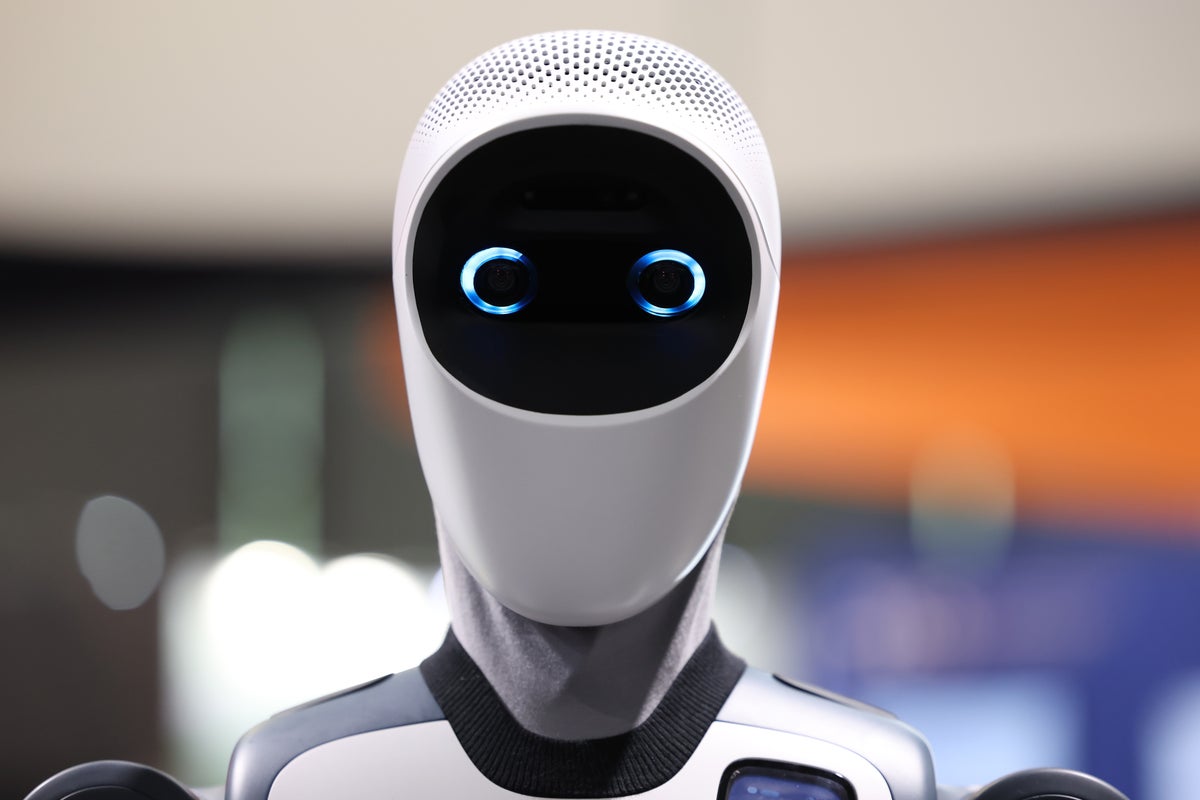
The global market for humanoid robots could expand to ten times the size of the automotive sector within the next few years as individual ownership of mechanical companions becomes standard, the CEO of German startup Agile Robots predicted Wednesday.
“Instead of like one family has a car, I think every human being probably will be expected to have something like a humanoid to be accompanied with them,” said Zhaopeng Chen, founder and chief executive of the Munich-based enterprise.
Consultancy Roland Berger supports this outlook, estimating the humanoid market could eventually reach $4 trillion. The firm notes that autonomous, AI-driven robotics could help restore labor-intensive manufacturing across Europe.
Agile Robots, which designs both industrial and humanoid systems, anticipates revenue will double this year following sales of €320 million ($370 million) in 2025. The firm has secured approximately $1.5 billion from investors, including Japan’s SoftBank and Chinese device manufacturer Xiaomi.
 open image in gallery
However, the company faces stiff competition from Chinese rivals expanding output with state backing. Analysts at Bank of America calculate that China supplied 95 percent of the estimated 20,000 humanoid robots delivered globally last year.
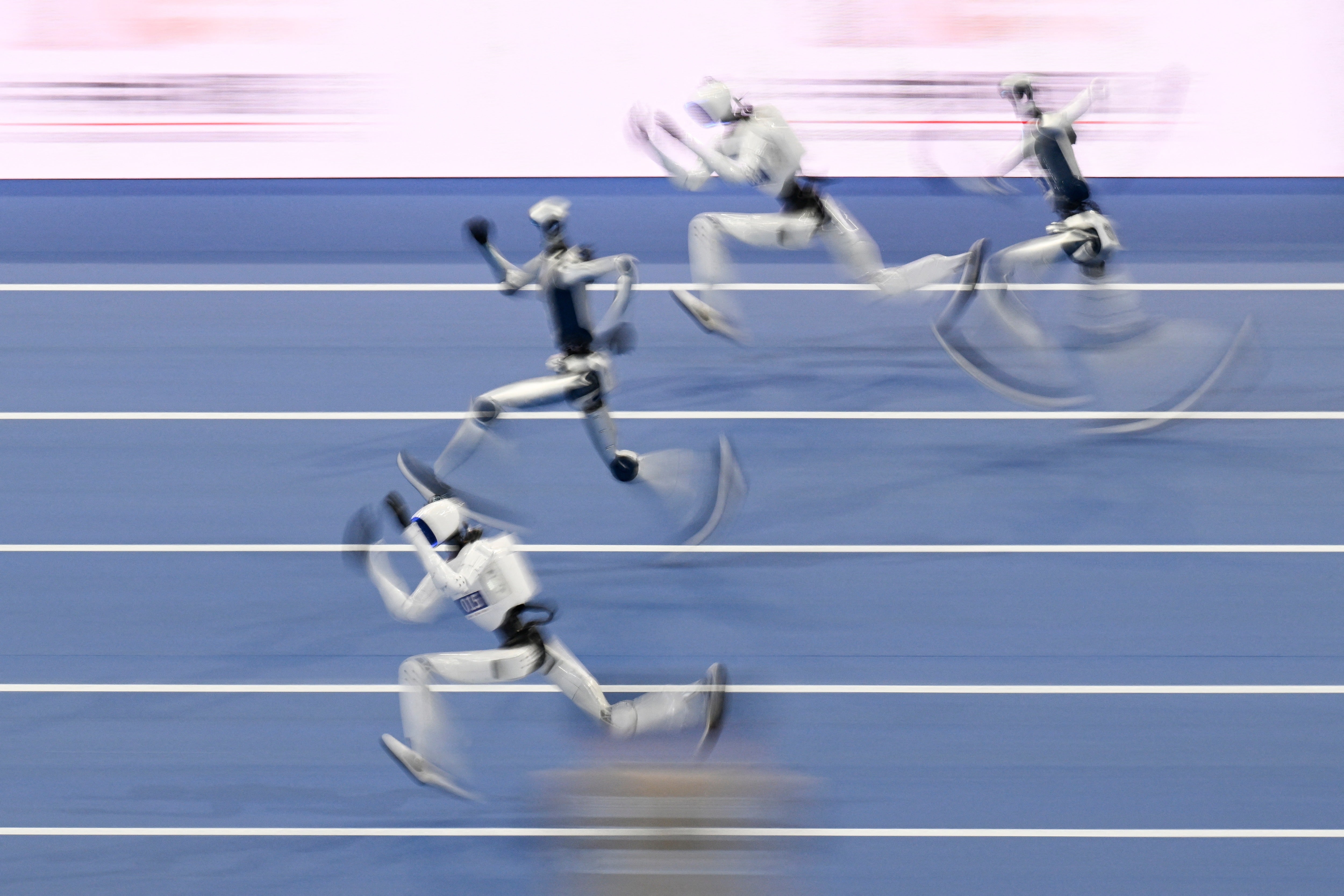
Chen’s prediction comes a week after China put its robot capabilities on full display at an event that was dubbed “China’s robot Olympics.”
A humanoid robot repeatedly made history for running the fastest-ever 100-meter sprint. It’s best finish was 8.64 seconds, breaking a record it achieved only a day earlier.
The robot beat the fastest human 100-meter sprint of 9.58 seconds, achieved by Usain Bolt in 2009.
 open image in gallery
The new record was set at the conclusion of the five-day World Humanoid Robot Games in Beijing. Currently in its second year, the event featured more than 2,000 automated competitors taking part in Olympic-inspired disciplines such as running, boxing, and soccer.
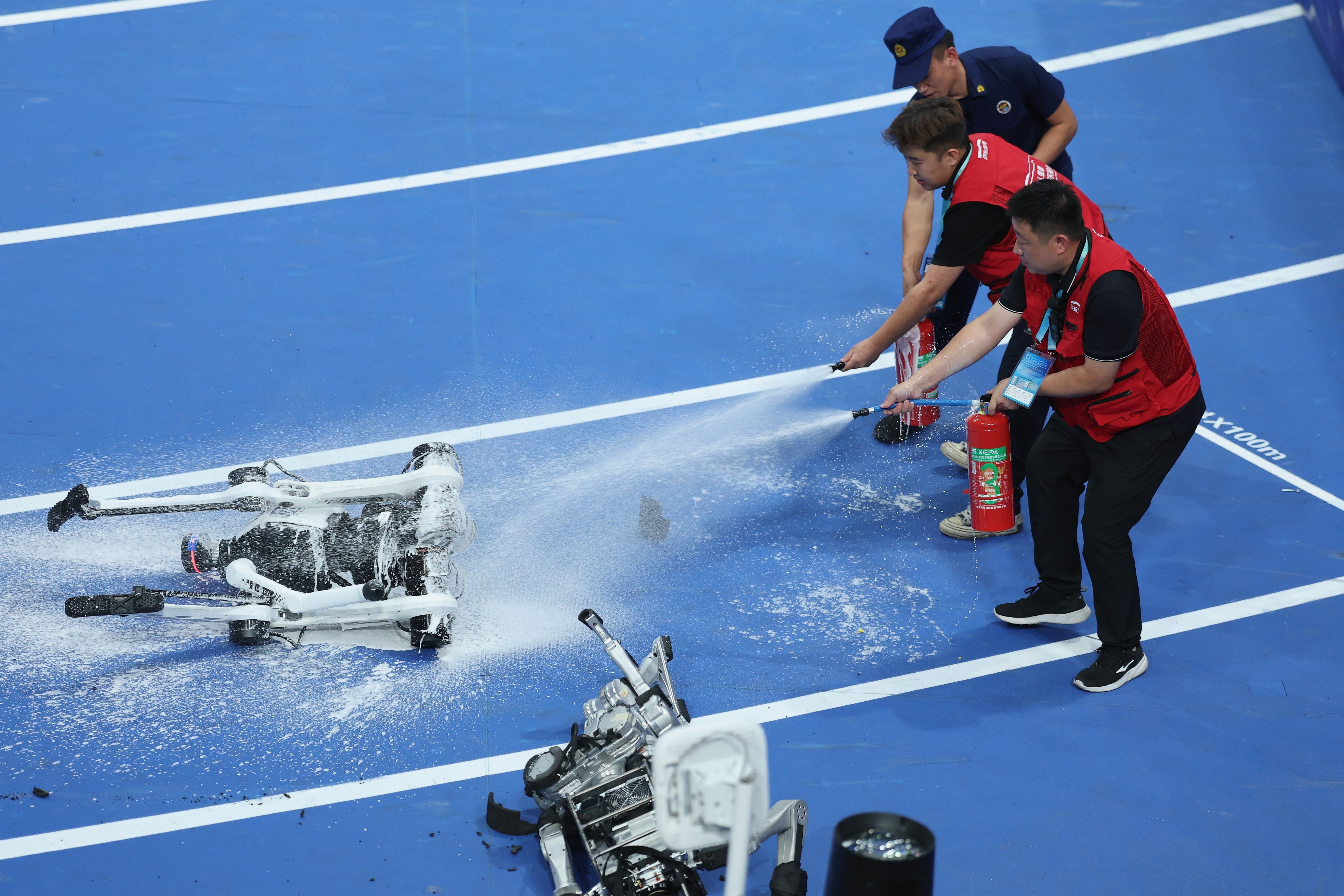
However, upon crossing the finish line, several sprinting machines, including the champion, collided with a padded barrier, causing crews to rush over with fire extinguishers as sparks emitted from some of the fallen units. Nearly all of the competitors were eventually removed via stretchers.