


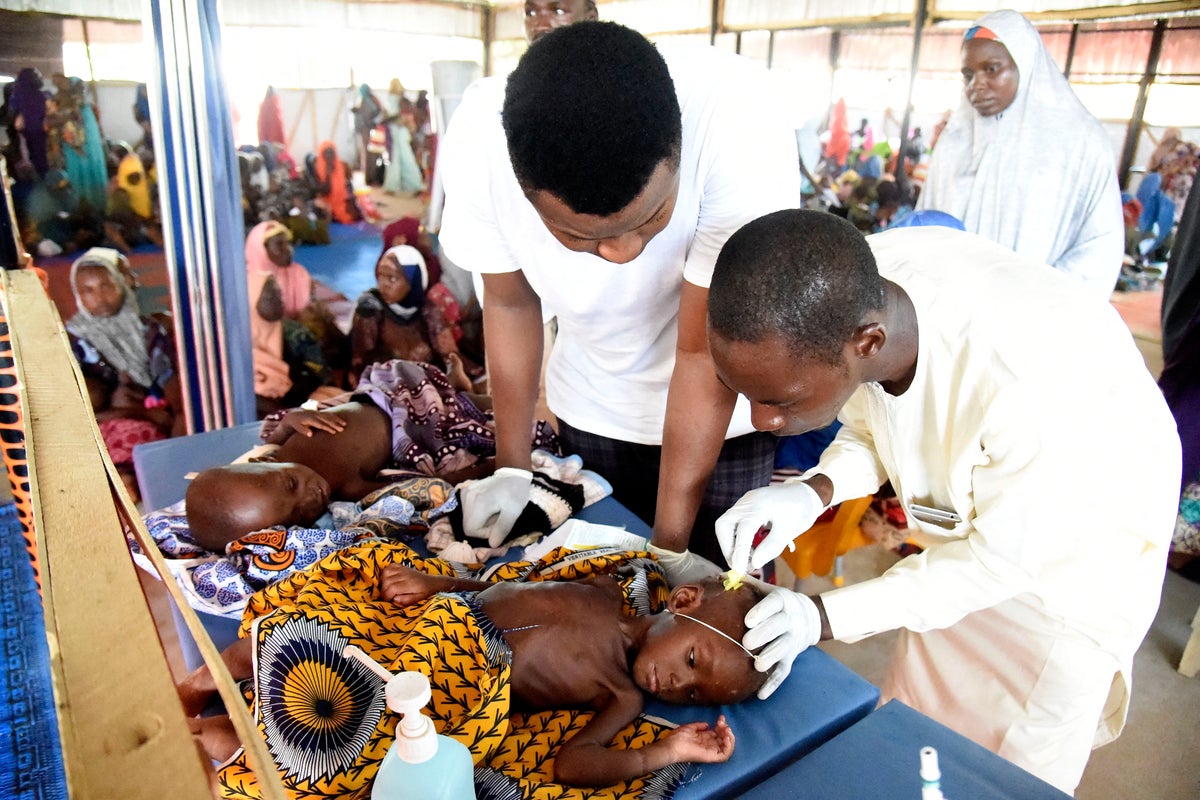
Ensuring children across the world reach their fifth birthday is set to be a “top priority” in Unicef Nigeria’s strategy into the 2030s, the UN agency’s field chief has told The Independent – as aid cuts risk reversing years of progress.
In Nigeria, roughly 1 in 10 children die before reaching their fifth birthday, and 29 per cent of global maternal deaths occur – and across the developing world, organisations including the the United Nations High Commissioner for Refugees (UNHCR) have warned of an unprecedented reversal in progress on child mortality and maternal health due to foreign aid cuts.
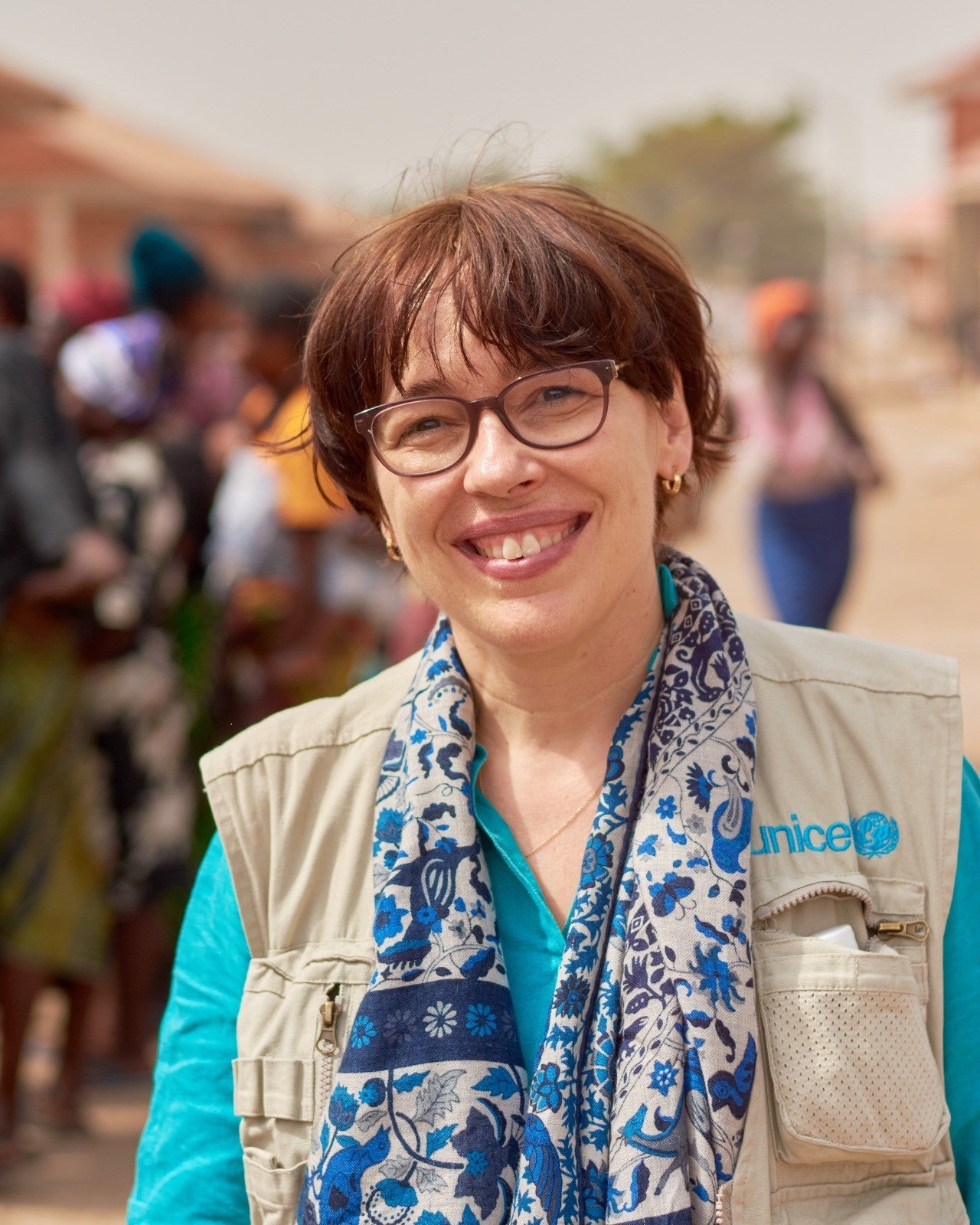
“We are currently developing our new five-year country programme, and child survival is set to be one of two top priorities alongside the reintegration of out-of-school children,” Judith Leveillee, field chief for the Nigeria country office for Unicef – the UN agency for children – said. “These are the most basic of the basics, and in the 21st Century we know exactly what to do – we just need the support to make it happen.”
Like other humanitarian organisations, Unicef Nigeria has faced cuts as countries including the US and UK have cut foreign aid. Over the past couple of years, the agency has reduced the number of field offices that it operates in Nigeria from eight to seven, and has also reduced its headcount.
The biggest killers of babies in 2026, Ms Leveillee said, are malaria, diarrhoea and pneumonia. Addressing these health challenges will involve training staff, improving deliveries of life-saving supplies, encouraging the adoption of new health behaviours, and organising mobile outreach programmes to carry out immunisations.
On the subject of reintegrating out-of-school children – the second strategic priority for 2028 to 2032 – Ms Leveillee suggested that boosting climate adaptation efforts will be crucial going forward.
This is because when a climate shock hits, girls “will be forced into marriage, because that’s considered a coping mechanism by parents who are struggling to make ends meet”, she said. Boys, meanwhile, are “forced to leave school early, start contributing, find a job, or migrate” in times of drought.
On aid cuts, Ms Leveillee said one worrying trend was the growing preference among donors for funding short-term projects, a shift she warned could undermine longer-term efforts to help countries move away from aid dependency.
“The trend right now to only fund things short-term is creating challenges as it takes time, resources and talent to strengthen systems and put countries on the path to sustainability,” she said.
“We therefore need to better rally more people to the cause so we can scale-up our efforts to support interventions that achieve long-term transformation.”
While acknowledging that aid cuts have been a “wake up call to be more efficient”, she added that agencies “cannot be more efficient if they only have short-term funding.”
As to the future of the UN itself as budget contributions are cut, countries become more inward-looking, and the organisation also looks for a new secretary general, Ms Leveillee was unequivocal: without the global body, millions of people around the world would suffer immeasurably.
“I have worked at the UN since 1999, and that entire time there has been this narrative that the UN is ineffective,” she said.
“But in so many contexts, I have seen that if the UN was not there, people would be living hell,” she continued. “Millions of people around the world would not have food, sanitation, protection, education or healthcare without UN agencies, and millions more children would be dying.
This article was produced as part of The Independent’s Rethinking Global Aid project