


Almost 700 never-released prisoners trapped on indefinite jail terms have been held for at least a decade longer than their original tariff, stark figures show, as the government lays out plans to finally end the injustice.
Andy Burnham has vowed to bring forward legislation to end Imprisonment for Public Protection (IPP) jail terms before the end of this parliament as part of measures to ease pressure on prison capacity and restrict the government’s early release scheme.
The Independent has long campaigned for all IPP prisoners to have their sentences reviewed, highlighting the plight of thousands jailed without hope.
The prime minister’s spokesman insisted on Tuesday that the process will be “centered around fairness and public protection”, but warned it will “take time”.
Lord John Thomas, formerly the country’s most senior judge, said IPP prisoners have been subjected to “preventative detention” and the scandal must be dealt with “as matter of justice”.
Analysis of the most recent prison data shows all but three of the 2,271 inmates still languishing on the open-ended punishments have served their minimum tariff.
A total of 856 have never been freed, despite eight in 10 having served at least 10 years longer than their original tariff, such as Leroy Douglas, who has learned he is finally going home after serving 20 years for a mobile phone robbery.
The rest – some 1415 prisoners – have been released and recalled to custody. Unlike other prisoners, who serve a fixed 56-day recall, IPP prisoners are incarcerated indefinitely when they slip up. This means prisoners serve more than two years on average each time they are hauled back – even if their breach was simply missing a probation appointment or missing a curfew.
In the year to September 2025, only 24 per cent of recalled IPP prisoners were facing allegations of a further offence. The rest were locked up indefinitely for “non-compliance” with licence conditions, such as failing to stay in touch with their probation supervisor, failing to reside at an approved premises or poor behaviour.
Addressing the Commons on Tuesday, Mr Burnham said he was “finally grasping the nettle on an issue this house has ignored for too long”.
“I believe the public will support me in recognising the clear difference between those who have served their time and more, and those who have not, we will bring forward legislation soon,” he added.
“We can find a solution to end this injustice, which balances public safety and basic fairness. And I urge colleagues on all sides of the house to help us do that.”
Asked how they will decide which IPP prisoners will be released, the prime minister’s spokesman said they will set up a cross-party oversight group to decide how this is done, adding it will “take time to get it right”.
Justice secretary Alex Norris is due to lay out the plans in parliament on Tuesday evening.

Lord John Thomas, who served as Lord Chief Justice from 2013 to 2017, told The Independent: “We have punished them [IPP prisoners] grossly excessively. The idea that you detain people because they might do something is absolutely contrary to the principles of justice. We don’t believe in preventative detention.
“The sentence was an aberration that’s been used to justify a continued status of preventative detention and that’s what it is.”
The open-ended sentences were abolished in 2012, but not retrospectively. This has left thousands already sentenced incarcerated until they can convince the Parole Board they no longer pose a risk to the public under an uncertain regime the UN has described as “psychological torture”.
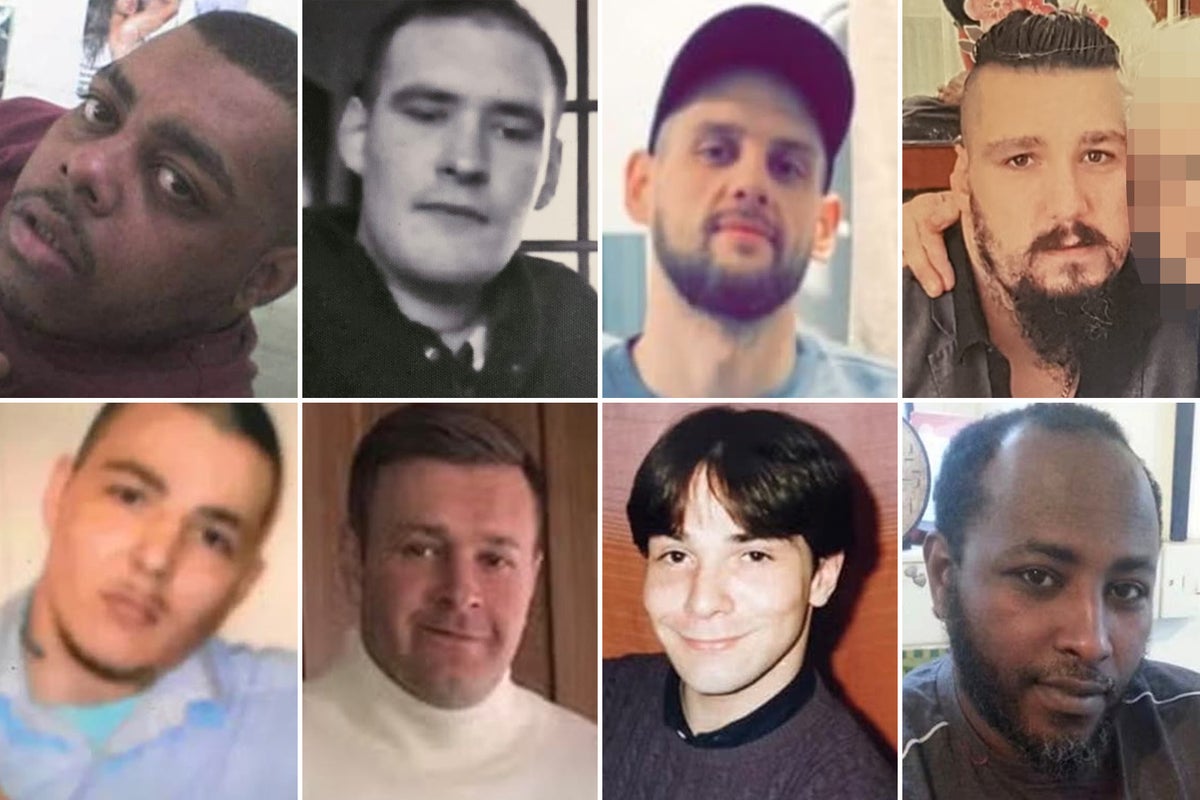
Some 96 prisoners have taken their own lives after losing hope of getting out.
Lord Thomas said the length of time spent on recall by many was “absolutely wrong”.
“The return of people to prison because they are in breach of licence is excessive and in many cases not merited,” he added. “It would be much better to continue to deal with them in the community.”
In response to criticism from shadow justice secretary Nick Timothy, who has claimed releasing IPP prisoners would “put the public in danger”, the cross-bench peer pointed out that offenders who committed “identical” crimes are released automatically.
“Anyone who committed a crime before this sentence came in or after it was abolished would not be subject to this sentence, even though their crimes are identical,” he said, adding that most IPP prisoners have now served sentences which are “totally disproportionate” to their crime.
As of June 2026, 156 IPP prisoners have never been freed despite having received a tariff of less than two years. A further 370 were told they would serve between two and four years, but have been locked up ever since.
“If you look at someone with a tariff of 18 months, the punishment is totally disproportionate and it’s become unjust,” he continued.
“These people have been treated unjustly and contrary to ordinary principles of British justice.”
Ministry of Justice data shows that 30 per cent of the unreleased IPP cohort committed violent crimes and 44 per cent committed sexual offences. A further 15 per cent robbed someone, which can include street robbery of a mobile phone or handbag, while 10 per cent were convicted of crimes such as theft, criminal damage, arson or public order offences.
Announcing the move this weekend, Mr Burnham said other prisoners are being freed a third or halfway through their sentences, while IPP prisoners who “more than served their time” have been left to languish.
“The judgement I’ve made is the public, in my view, would prefer a situation where people who have served their time to be considered for release before those who haven’t,” he said.
The government is facing a major legal challenge after the UN Working Group on Arbitrary Detention found a number of over-tariff IPP prisoners are being arbitrarily detained and are owed reparations.