


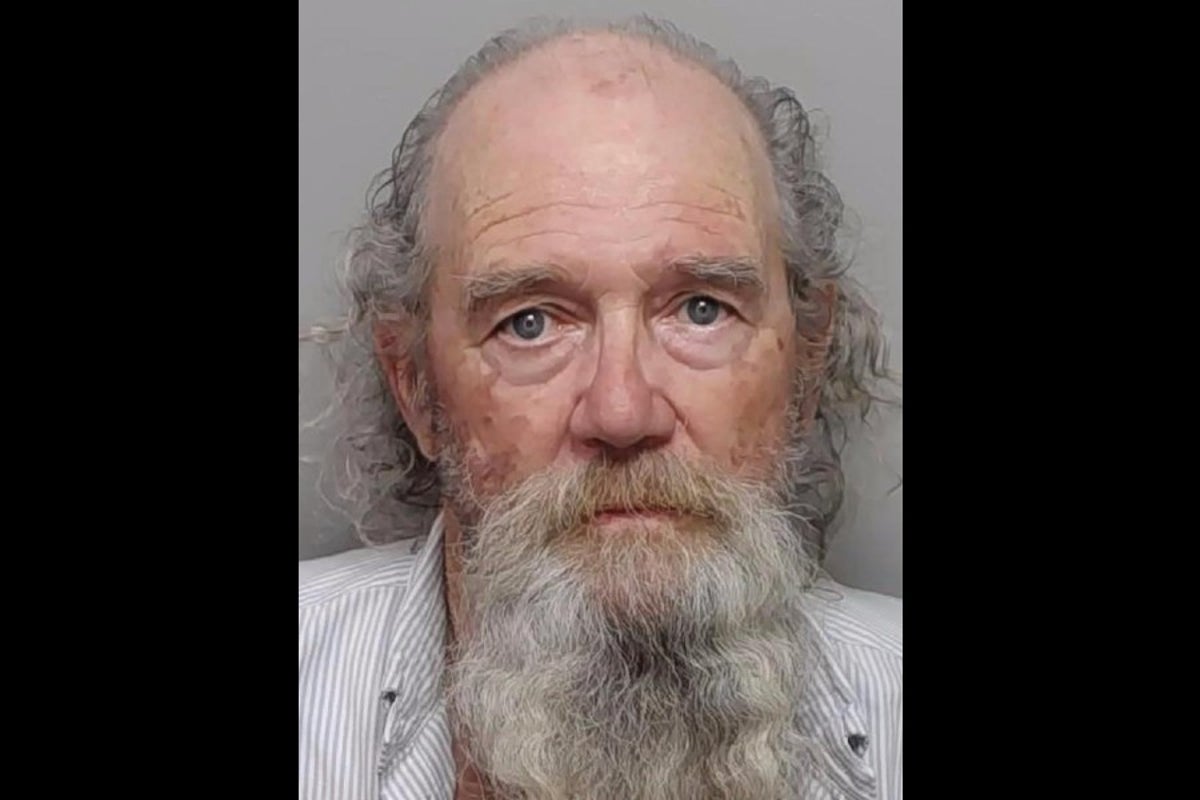
Authorities in Texas have arrested a man in connection with a 1981 cold-case murder after forensic investigators matched DNA found under the victim’s fingernails to a discarded beer can retrieved from the suspect’s trash.
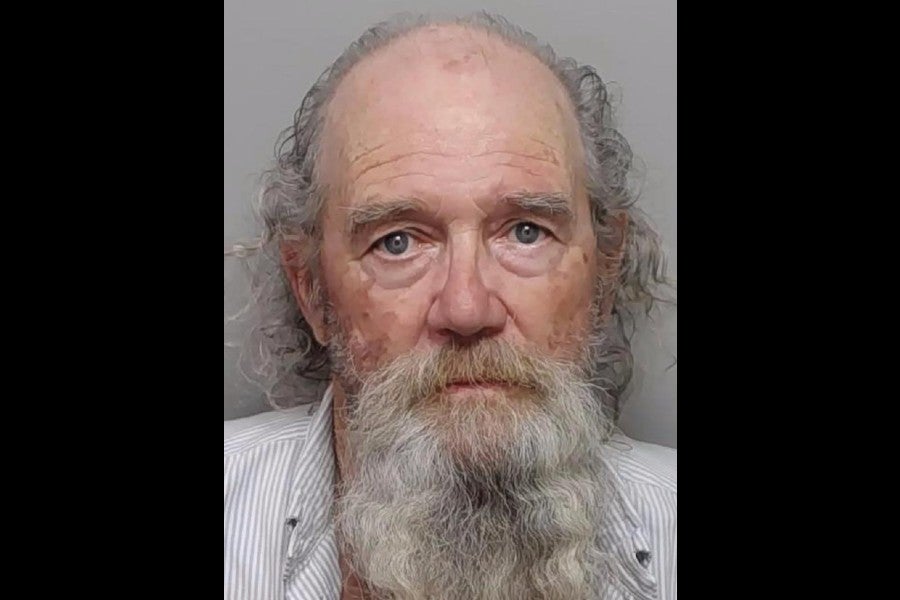
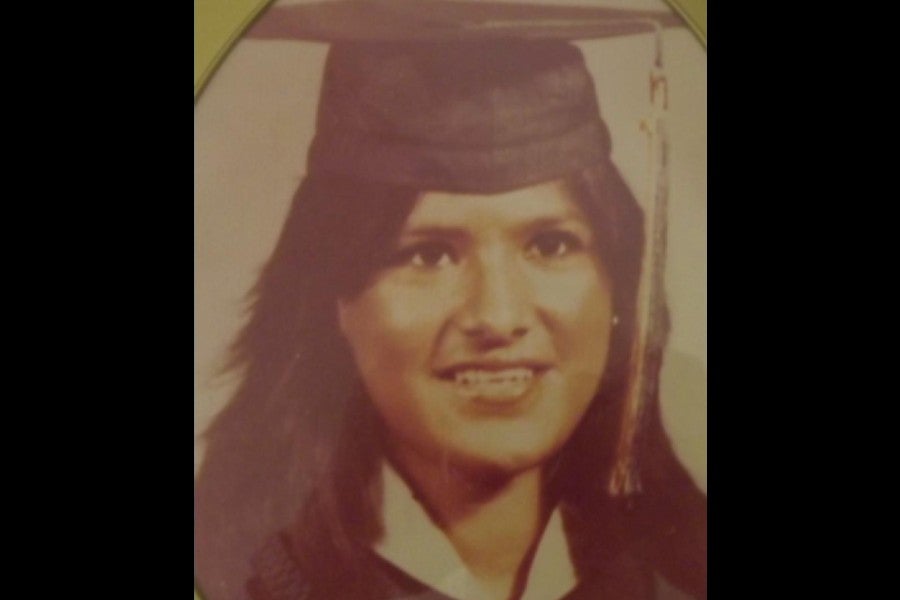
Kelly Lee Brower faces a capital murder charge for the death of 23-year-old Yolanda Herrera, who disappeared in Universal City, Texas, after leaving a local bar on April 11, 1981.
Two children walking to school discovered Herrera’s nude body in a field two days later. An autopsy established her cause of death as multiple blunt force injuries resulting from a homicide, and police indicated she was sexually assaulted before her death.
While initial DNA samples — including fingernail clippings and a sperm sample — yielded partial profiles in the 2000s, previous suspects and witnesses were cleared. In late 2020, state investigators selected the case for the Texas Department of Public Safety’s Sexual Assault Kit Initiative to fund advanced forensic testing, according to the department.
A breakthrough occurred in 2021 when genetic testing built a male DNA profile pointing toward Brower. In 2025, investigators sent early evidence to a specialized laboratory capable of testing smaller samples, yielding a profile that matched entries in the FamilyTreeDNA database.
 open image in gallery
Detectives established that Brower lived in Universal City at the time of the killing before moving to Seattle in early 1982 and eventually settling in Cottonwood, Arizona. Beyond a previous larceny charge, Brower had no prior criminal record.
After traveling to Arizona to conduct surveillance, police recovered a Coors Light can from Brower’s trash.
In February 2026, forensic analysts confirmed that the DNA profile on the can matched the male DNA extracted from the victim’s fingernail clippings.
 open image in gallery
Brower initially denied knowing Herrera during an interview with the Cottonwood Police Department on Aug. 13. However, during a second interview days later, he confessed to the crime, stating, “I’m sorry for what I did,” as reported by ABC affiliate WNEP.
Following the confession, authorities extradited Brower to Texas. Police noted there was no evidence indicating the two knew each other prior to the attack.
“This is a testament to the commitment that is involved that after 45 years, we have made an arrest in the murder of Yolanda Herrera,” Lieutenant Stephen Rios of the Universal City Police Department said during an Aug. 25 press conference.