


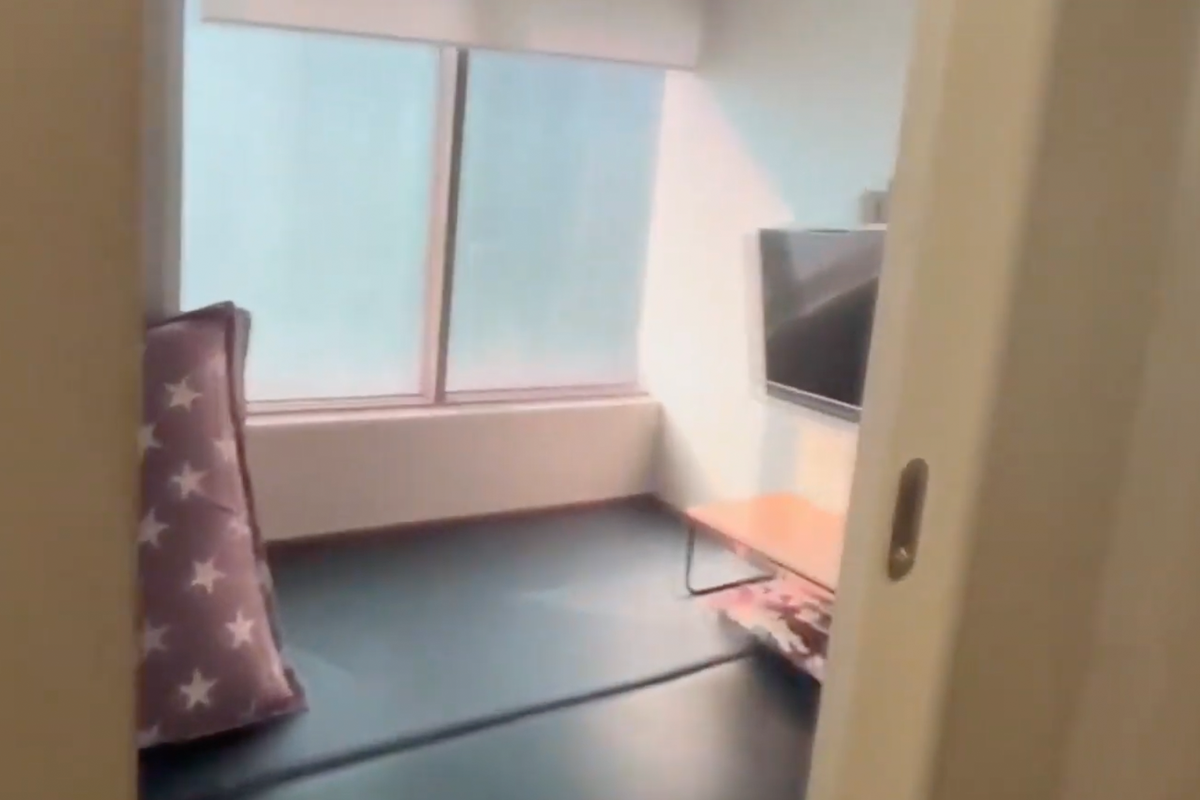
South Korea’s Supreme Court has ordered enclosed “room cafés” in the country to bar minors, finding that the private rooms fitted with televisions, mats, and pillows created a risk of sexual activity.
The ruling came after the operator of a room café in Suwon city allowed eight teenagers, aged 14 to 17, to enter the premises without checking their ages, according to the local broadcaster SBS. The business with 16 rooms was also operating without the required sign stating that minors were prohibited from entering.
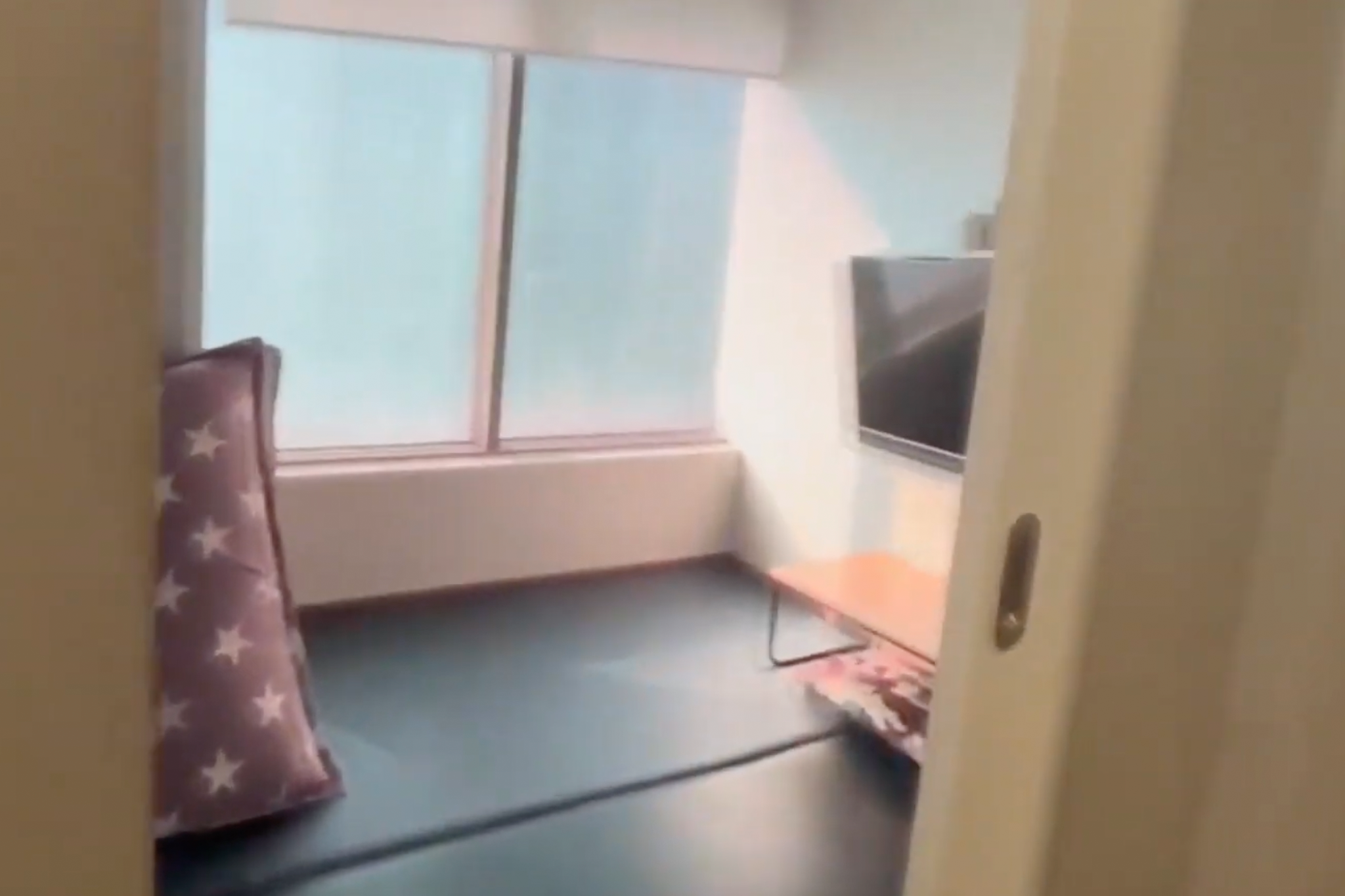
Room cafés are a popular Korean hangout venue where customers pay to use small, enclosed booths within larger premises, usually to watch films or television, play games, eat snacks, and lounge together. The booths are typically separated from one another by partitions or doors, and some are fitted with mats, pillows or bedding, making them feel more like private dens than conventional cafés.
They are particularly popular with youth. A 2024 government survey of 15,053 middle and high-school students found that 12.6 per cent had visited a room café in the previous year.
The Supreme Court overturned an appeals court decision and sent the case back to the Suwon District Court, finding that the café’s design was enough to bring it within the category of businesses restricted under South Korea’s Youth Protection Act.
The case centred on a simple question: what exactly made any business a place where young people should not be allowed?
The room café in Suwon operated in Yeongtong between March 2022 and February 2023. Of its 16 rooms, only two had transparent windows through which staff could see inside. The other 14 were effectively sealed from view once doors were closed. Inside were television sets, mats, and pillows, allowing customers to sit or lie down.
The operator had been fined 2m won (£1,080) after the first trial found the premises fell within the category of businesses prohibited from admitting or employing minors.
The appeals court acquitted the operator, however, taking a narrower view of the law. It ruled that the law’s reference to physical contact between unspecified people was aimed at businesses where contact might occur between entertainment workers and customers, or between customers who did not know one another and had been brought together.
That did not describe a room café, it said. There were no hostesses and the operator was not arranging meetings between strangers.
 open image in gallery
The Supreme Court rejected that interpretation, saying the law could not be understood as applying only in those situations.
What mattered was the nature of the business itself, it said, including whether its facilities created a risk of sexual conduct.
The court observed that the room café was open to unspecified customers and its enclosed rooms made it difficult for anyone outside to see what was going on inside. “The room café in this case was open to the general public and was structured in a way that made it difficult to see inside the rooms from outside, creating the possibility that kissing, other physical contact or sexual activity could take place inside,” the court said, according to The Korea Herald.
The ruling does not mean that every room café in South Korea is automatically forbidden to minors. The ministry of gender equality and family amended its rules in May 2023 to set out conditions under which minors could use such establishments.
For a room café to allow minors, the wall facing the corridor must be transparent between 1.3m and 2m from the floor, while the entrance door must be transparent from 1.3m upwards. The door must not be equipped with a locking device and windows must not be covered with curtains, blinds, or opaque films.