


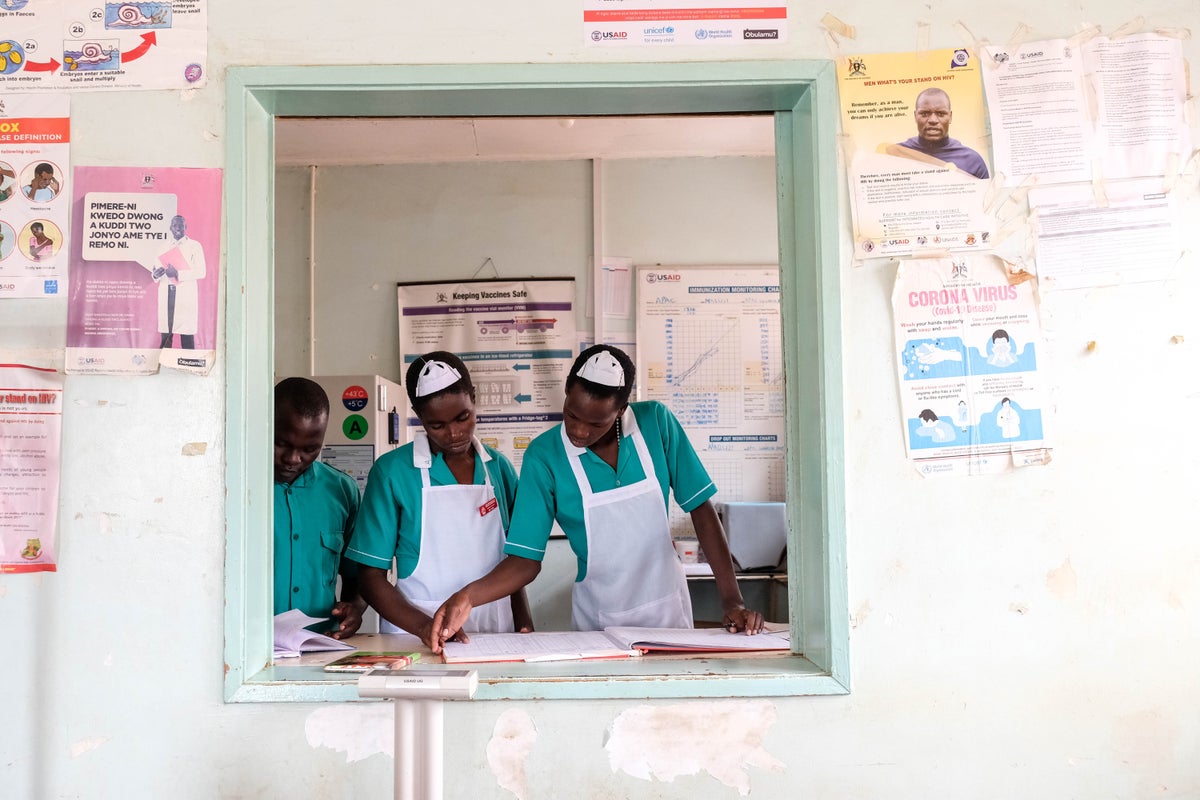
The UK is to continue backing world-leading research into vaccines, medicines and other tools to tackle global health challenges, with a significant portion of the aid budget being ringfenced for such work despite the UK’s programme of aid cuts.
Research into diseases and health threats including malaria, dengue, HIV, TB and pre-eclampsia is collectively receiving more than £100m in UK support, as concerns grow that progress on global health challenges is at risk of going into reverse due to aid cuts from wealthy countries.
“We’re continuing the UK’s proud track record of supporting science that saves lives,” minister for development Kirsty McNeill told The Independent. She added that British research into new malaria vaccines and bed nets had “contributed to one million lives saved from malaria in 2024 alone”.
“Our investment in these partnerships is pushing for the next breakthroughs, protecting people around the world and here at home from malaria, dengue, TB and other deadly diseases,” said Ms McNeill.
In all, some £137.5m is being invested in 10 key product development partnerships between 2024/25 and 2027/28, including with King’s College London, the Drugs for Neglected Diseases initiative, and the TB Alliance.
The research at King’s College London is to develop affordable diagnostic tools and a mobile app that will help health workers tackle maternal health risks, by better alerting them to conditions including preeclampsia and anaemia.
The move comes as concern grows among charities and aid groups that maternal and neonatal health could be deeply impacted by aid cuts.
The UK’s backing for the TB Alliance, meanwhile, supports world-leading scientists who are working to develop safer, shorter and more affordable TB treatments, with previous support having resulted in the development of Pretomanid, which is used to treat drug-resistant TB.
Partnerships for organisations including the Medicines for Malaria Venture (MMV) and the World Mosquito Programme are intended to help the UK retain its position as a global malaria research powerhouse.
UK researchers have been pivotal in developing the world’s first malaria vaccines, as The Independent has previously reported on from Tanzania, while just last month MMV-backed researchers at the University of Dundee announced the development of a single-dose malaria drug that could transform treatment around the world.
“Breakthroughs in global health don’t happen by chance. They are the result of sustained investment, scientific collaboration and a willingness to back innovation over the long term,” Dr Martin Fitchet, CEO of the MMV, told The Independent.
“The UK’s partnership with MMV has helped transform cutting-edge research into practical solutions for people at risk of malaria, contributing to medicines that are already saving lives and supporting the development of the next generation of antimalarials.”
The new announcement on research funding comes as the UK is in the midst of implementing wide-ranging cuts to UK aid programmes, following the former prime minister Keir Starmer’s decision to cut the aid budget by nearly 40 per cent, which has resulted in nine African countries seeing their UK bilateral aid decline by more than 80 per cent.
It also comes just weeks after the appointment of Ed Miliband as foreign secretary, with Mr Miliband pledging to make international development and tackling the climate crisis key priorities upon his appointment.
This article has been produced as part of The Independent’s Rethinking Global Aid project