


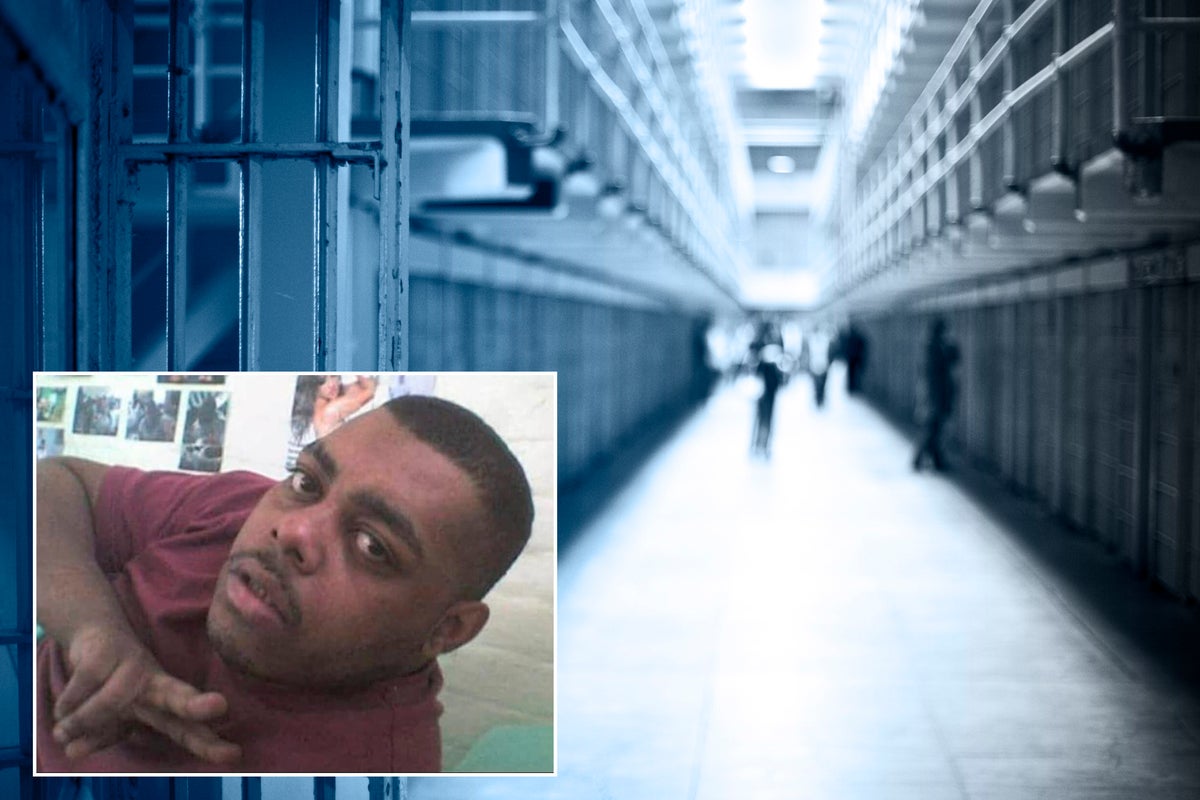
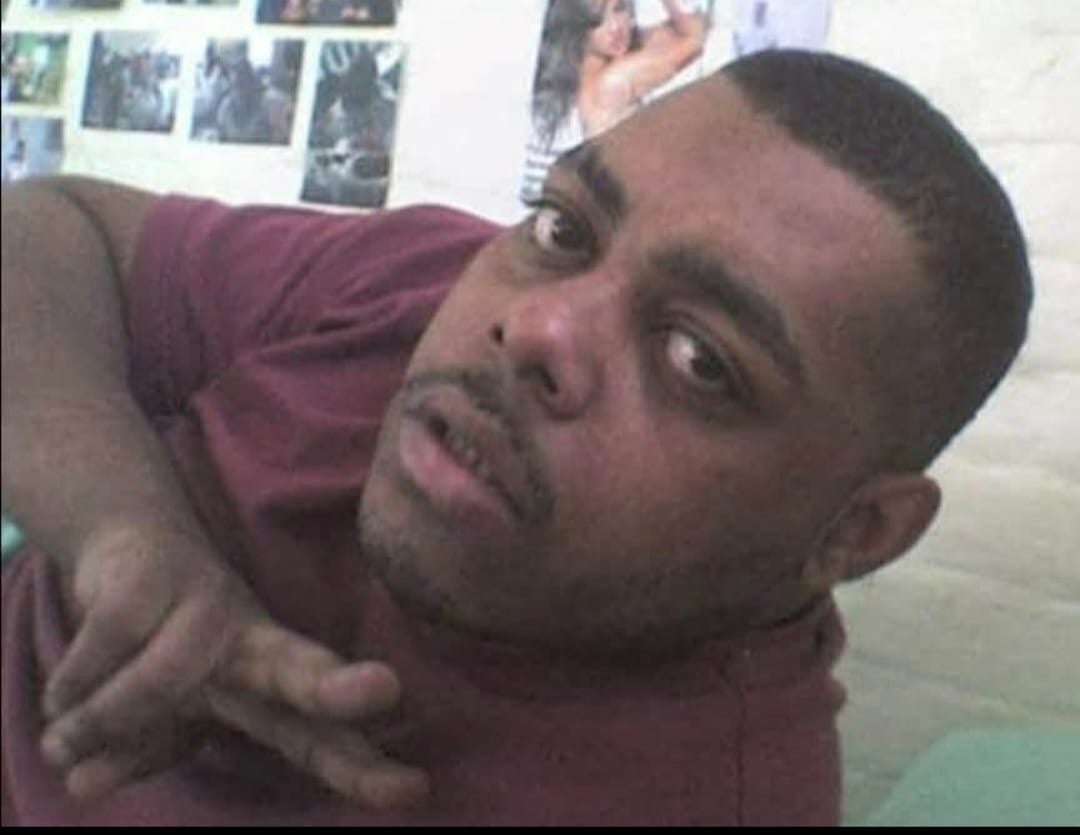
Twenty years since Leroy Douglas targeted a friend behind Cardiff railway station and stole his mobile phone, he is weeks away from finally being free.
He was 24 and already had a string of convictions under his belt, usually involving stealing to fund his drug addiction, when he was imprisoned indefinitely for the robbery. Despite no-one being hurt, he has spent the last two decades incarcerated without hope on a discredited Imprisonment for Public Protection (IPP) jail term – until now.
After 36 prison transfers and years of heartache, Douglas, now aged 44, has learned he is finally going home after the parole board approved his release.
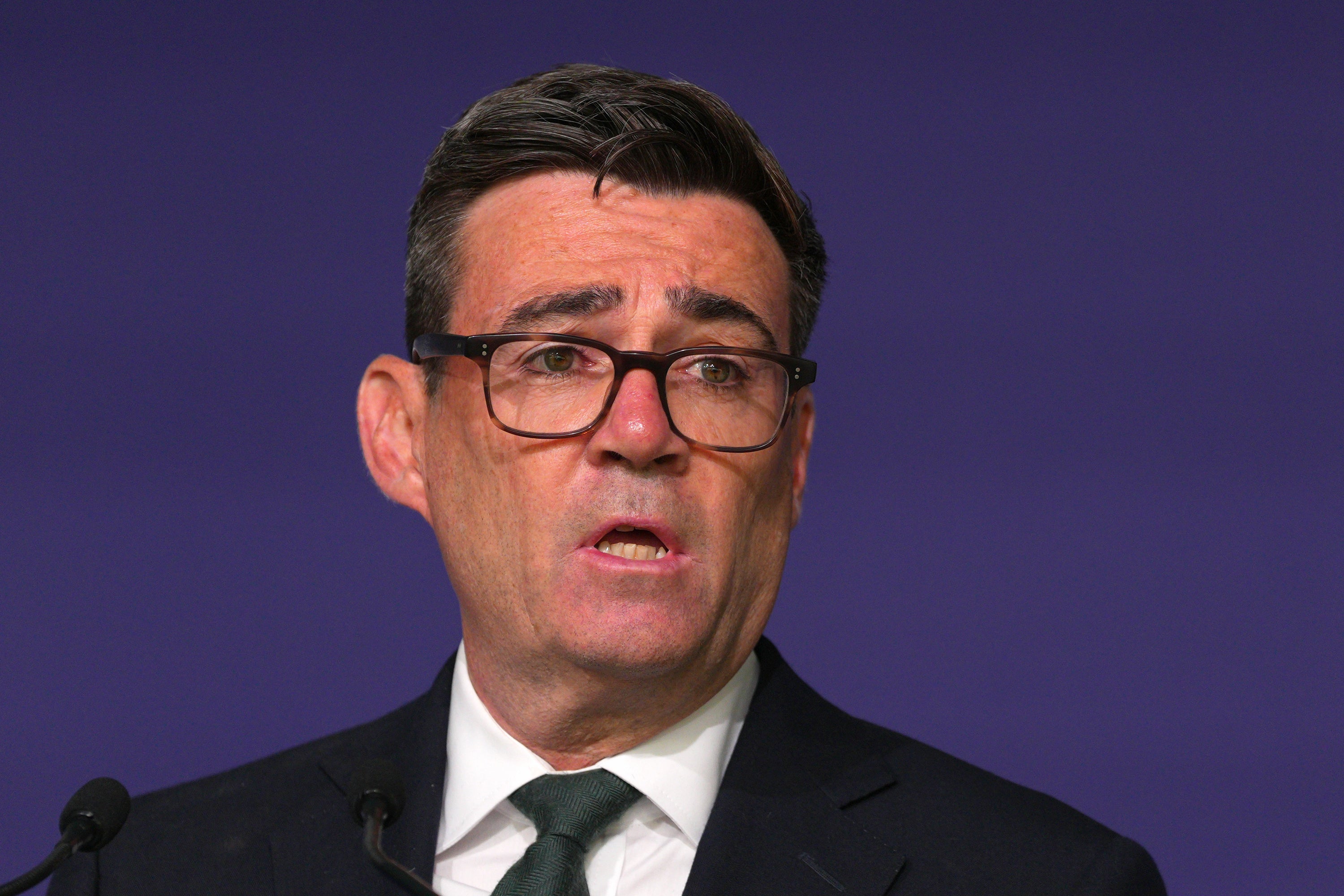
Their decision to give him back his freedom came weeks before prime minister Andy Burnham announced he would finally end the injustice of IPP jail terms before the end of this parliament.
It also came shortly before the United Nations (UN) issued a landmark legal opinion which declared his detention – and that of a number of other prisoners serving draconian IPP sentences – is arbitrary and unlawful. A major legal challenge over their imprisonment was this week lodged at the High Court.
“I’ve been waiting for this day for the past 20 years,” Mr Douglas told The Independent from HMP Erlestoke, in Wiltshire, where he is awaiting transfer to a hostel in October.
“I’ve never stopped fighting for my release. Freedom should have come to me ages ago to be honest because I’m not dangerous, I only stole a phone, with no violence, with just the threat of force, which led to me staying in jail 20 years.”
 open image in gallery
Although he regrets his actions, he says he has received more than his “just desserts” after languishing inside for 20 years, including time served on remand, on the uncertain jail term which has been described as “psychological torture” by the UN.
Announcing he would finally end the jail term, Mr Burnham said he had taken a “common sense” approach to Imprisonment for Public Protection (IPP) sentences, which he said he had “long-standing concerns” about.
The action to address IPP comes as the government overhauls plan to release other prisoners early, including two of the killers of Pc Andrew Harper.
“I was faced with a situation where people on those sentences who have more than served their time, not being released when others who’ve committed very serious crimes being released early,” he told the BBC.
“The judgement I’ve made is the public, in my view, would prefer a situation where people who have served their time to be considered for release before those who haven’t.”
The government will table legislation to terminate the sentences by the “end of this Parliament”, he added. He noted the government will take a “very careful” approach to how this is done and said a cross-party oversight group would be established.
In a message to Number 10, Douglas said the PM should “free up the damn IPP inmates who are human beings, not dogs”.
“Most of us haven’t committed crimes for over 10 years, yet still the government tries to portray us as some danger to the public. Most have been so traumatised that they now have psychological or psychiatric problems and need more help than when they first went away.”
He believes the government should start by reviewing the cases of prisoners like him who have served many years over their original tariff.
 open image in gallery
He was originally told he must serve a minimum of two years and six months for the robbery, committed in December 2005. Despite remaining drug-free for many years in prison, he was repeatedly refused parole because of his disruptive behaviour as he grew frustrated over his treatment, which he characterised as “cripplingly cruel”.
Although he was handed a five-week sentence for money laundering in 2020, he has completed a string of rehabilitative courses in prison to address his drug use, anger management and to increase his victim awareness.
Hundreds of IPP prisoners have wound up in secure hospitals as their mental health unravelled on the uncertain jail term and, tragically, 96 have taken their lives in despair.
The open-ended punishments were handed out for eight years before the sentence was abolished in 2012, but not retrospectively. Despite widespread condemnation, successive governments have so far resisted calls to resentence the remaining prisoners.
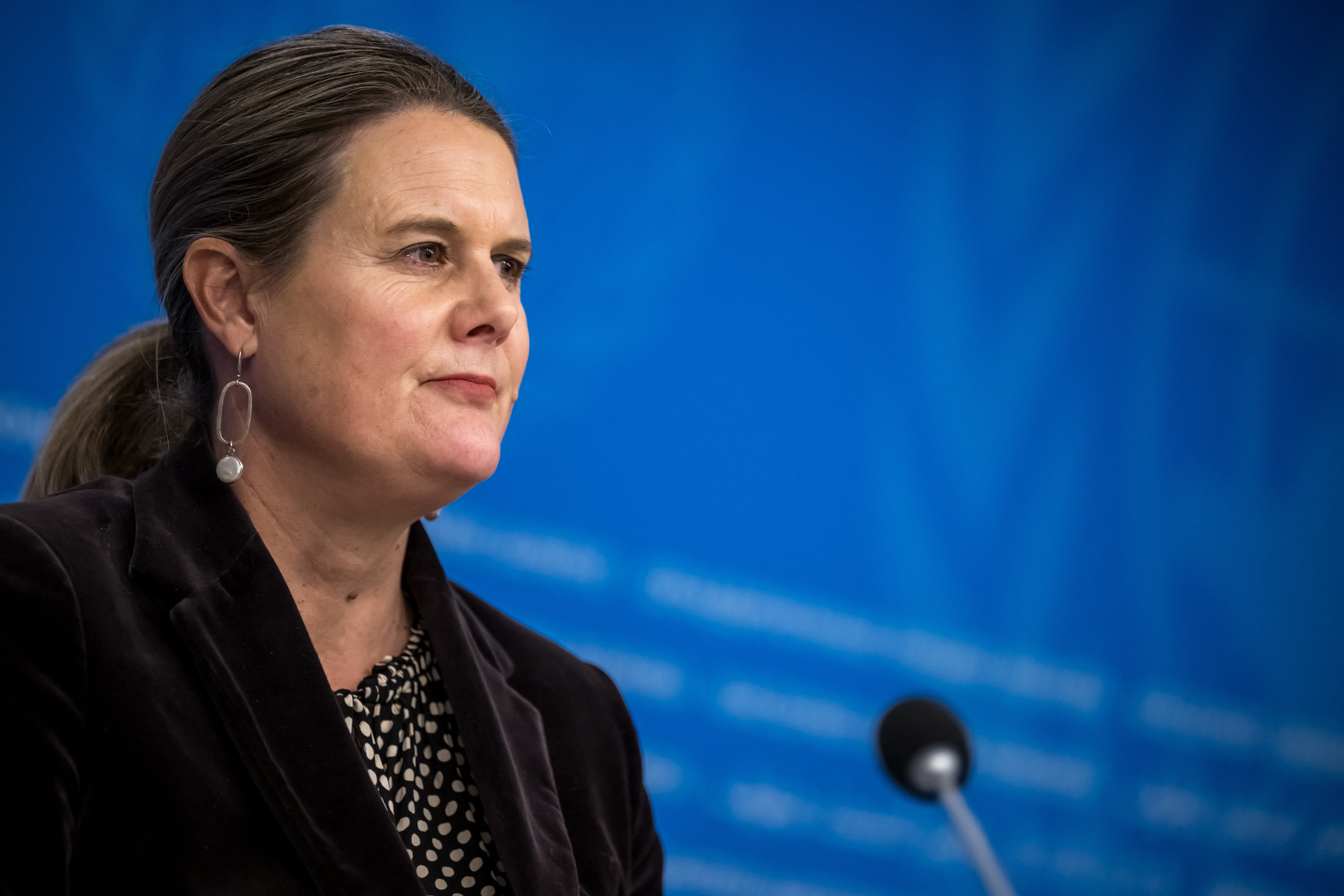
The outgoing UN special rapporteur on torture, Dr Alice Gill Edwards, is among those demanding the government take action.
“Please don’t be stubborn and hold to old solutions that have still not worked,” she urged this week, adding that a judicial resentencing exercise is the “only plausible” solution to the “horribly unfair” sentence.
The Independent has long campaigned for all IPP prisoners to have their sentences reviewed. In February 2025, we highlighted Douglas’s story as he complained his detention was now inhumane.
 open image in gallery
His plight formed part of a landmark complaint submitted later that year to the UN Working Group on Arbitrary Detention by Dr Muin Boase, of Great James Street Chambers, along with campaign groups IPP Committee in Action and the IPP Solidarity Movement.
After reviewing his case, the human rights watchdog concluded Douglas was right. They said his long incarceration beyond his original tariff amounted to arbitrary detention under international human rights law and he is entitled to compensation and other reparations.
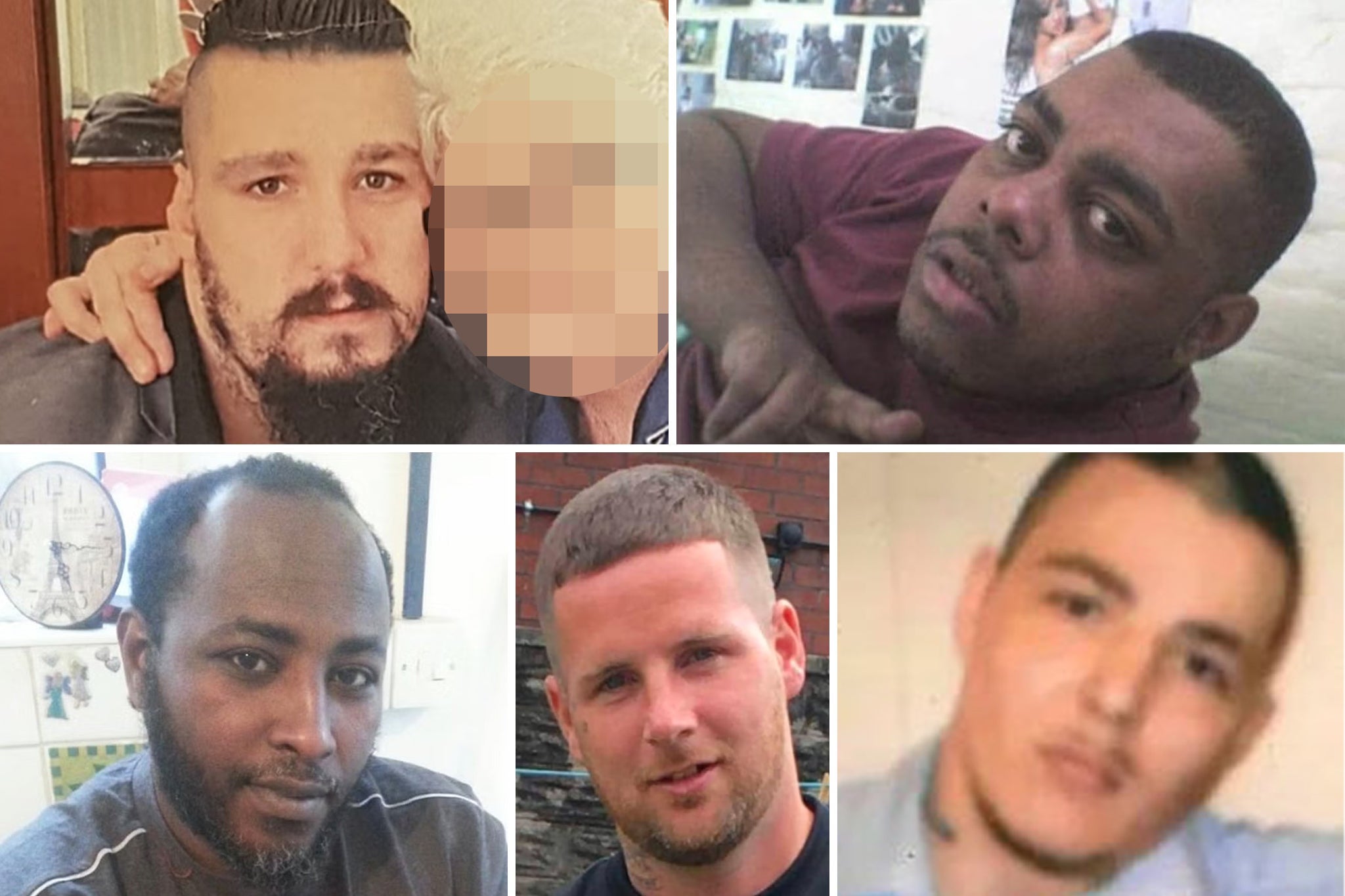
Other IPP cases condemned as unlawful as part of the legal opinion include Abdullahi Suleman, who is still in custody 20 years after he was handed an IPP for a laptop robbery; Wayne Williams, who has spent more than 19 years in prison without release for a 23-month jail term for attempting to injure a police officer in a fight; and Shaun Lloyd, 39, who was recently hauled back to prison for the fifth time, having served more than 12 years for street robbery.
Joshua Mcrae, died in prison aged 34, having served more than 16 years for a four-year tariff for grievous bodily harm.
 open image in gallery
A rare habeas corpus legal challenge, lodged at the High Court on Wednesday, seeks the release of the surviving prisoners following the UN’s scathing assessment.
In it, human rights solicitor Karen Todner argues that criminals jailed for serious offences are released after serving a “fraction” of their determinate sentence, while IPP prisoners are held indefinitely, even if their original offending was less serious.
That “reveals a troubling inconsistency in the management of the justice system as a whole”, she added.
Douglas said he survived prison by finding faith and hosting Bible study for other prisoners, as well as studying law to help challenge his incarceration.
He now plans to turns life around on the outside, where he has secured a job as a forklift driver and hopes to finally be a father to his youngest daughter, now 20, who was born a few months after he was jailed.
“I think she deserves that much at the very least,” he added. Sadly, his release comes too late for his other daughter, who died in 2021.
In their decision, issued earlier this month, the parole board concluded his imprisonment was no longer necessary for the protection of the public, noting that “over the many years he had spent in prison he had engaged with a significant range of work to address his offending behaviour”.
However, he must comply with strict licence conditions, including living at a designated address with a curfew, being monitored by a GPS tag and tested for drugs and to reporting for regular supervision. He is currently waiting for a space at a specialist hostel and is expecting to leave prison in October.
Justice secretary Alex Norris is due to update parliament on plans for IPP prisoners on Tuesday as part of measures to ease overcrowding and curb the number of prisoners released early.
He said killers, such as those responsible for the death of Pc Harper, would remain behind bars for longer, but said protecting the public also means “fixing the prison system for good”.
“We will build the cells we need, put offenders under much tougher controls when they leave prison and end the historic injustice of IPP sentences,” he said.
“This is a government running towards problems and not shying away from the tough decisions needed to build a justice system that is firm, fair and protects the public.”