


Once a booming 19th-century powerhouse at the centre of the UK’s steel, iron and shipbuilding industry, Middlesbrough was a proud example of British business success on the northeast coast.
But economic struggles, deprivation and high levels of unemployment have since given it an unattractive reputation, with recent headlines doing little to help its cause.
The town of 150,000 people now holds the unwanted accolade of being the UK’s crime capital outside of London – with only the borough of Westminster suffering higher crime rates.
In the 12 months leading to August 2026, there were 23,419 crimes in Middlesbrough, equating to 150 crimes per 1,000 people, a 1 per cent increase from the previous year.
 open image in gallery
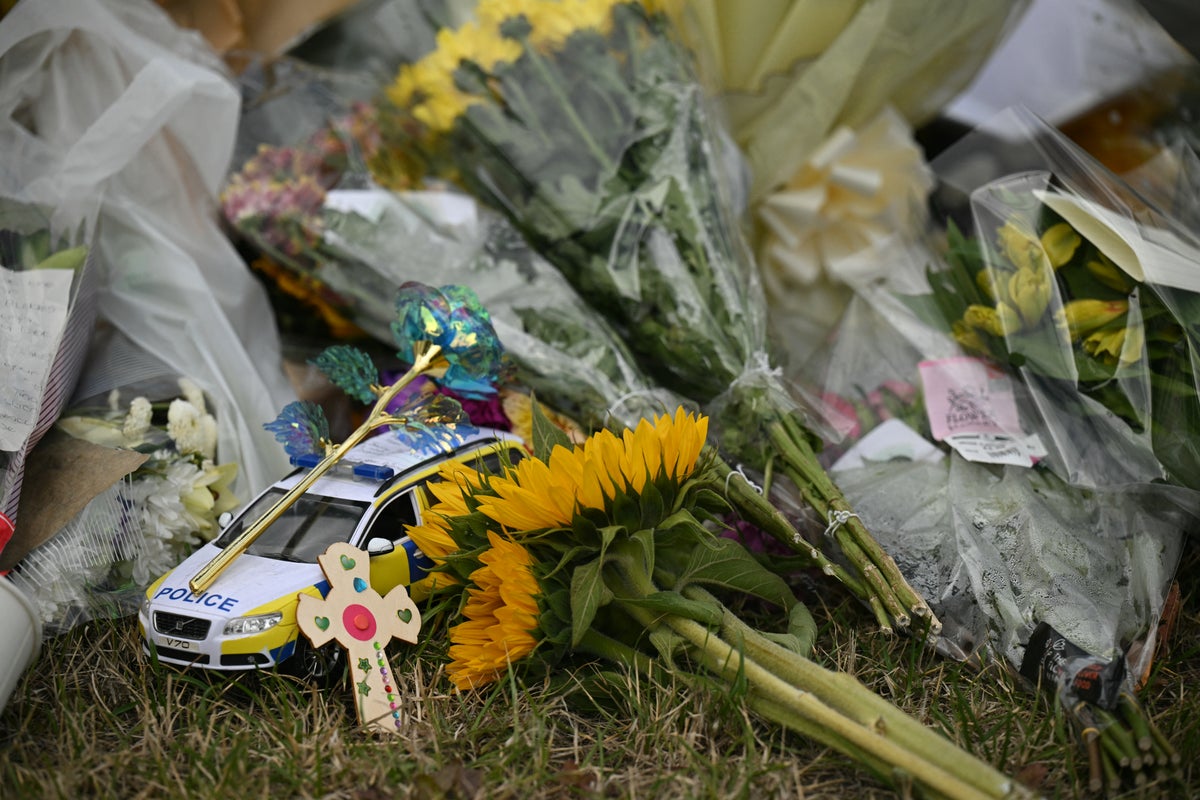
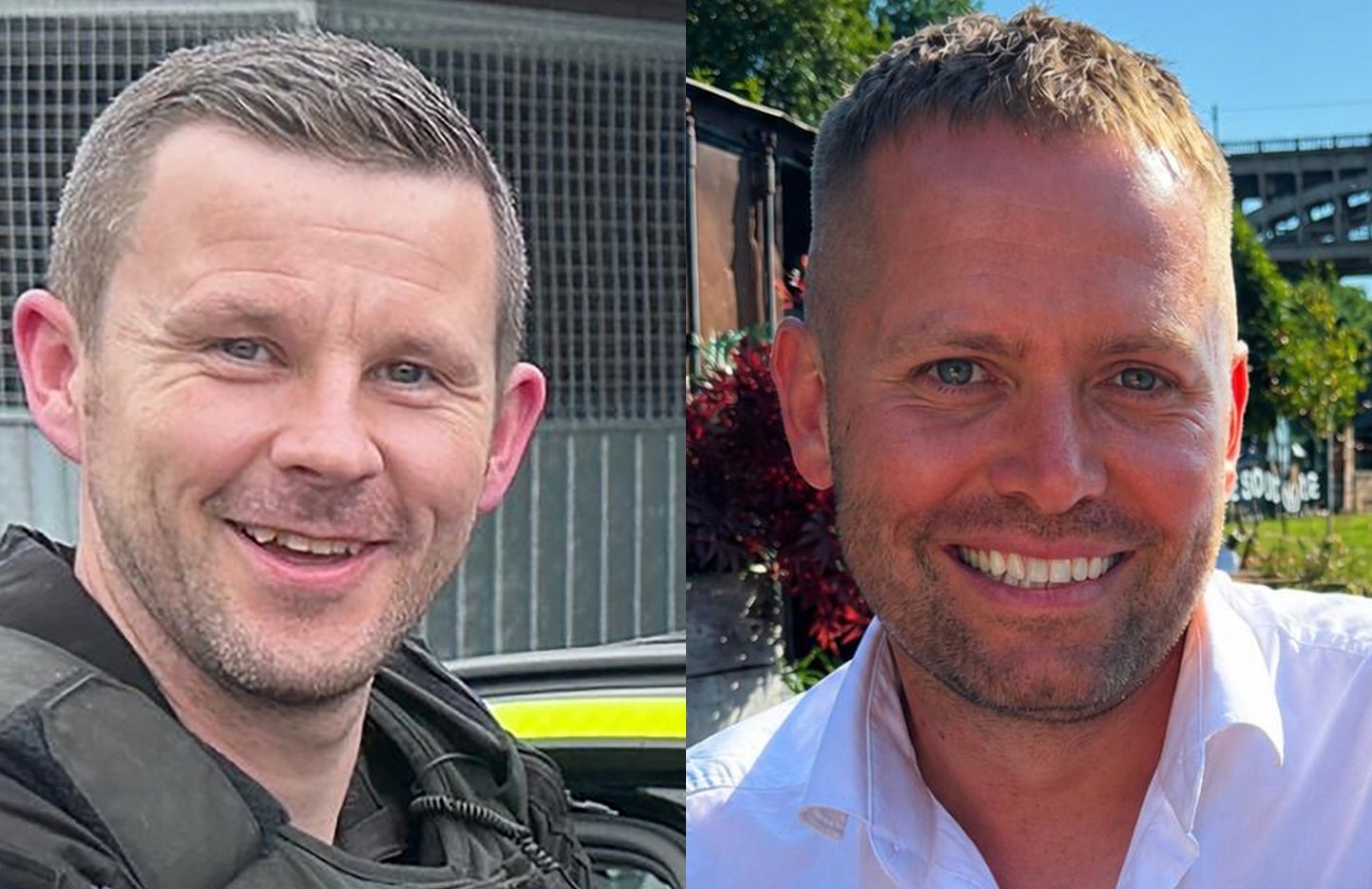
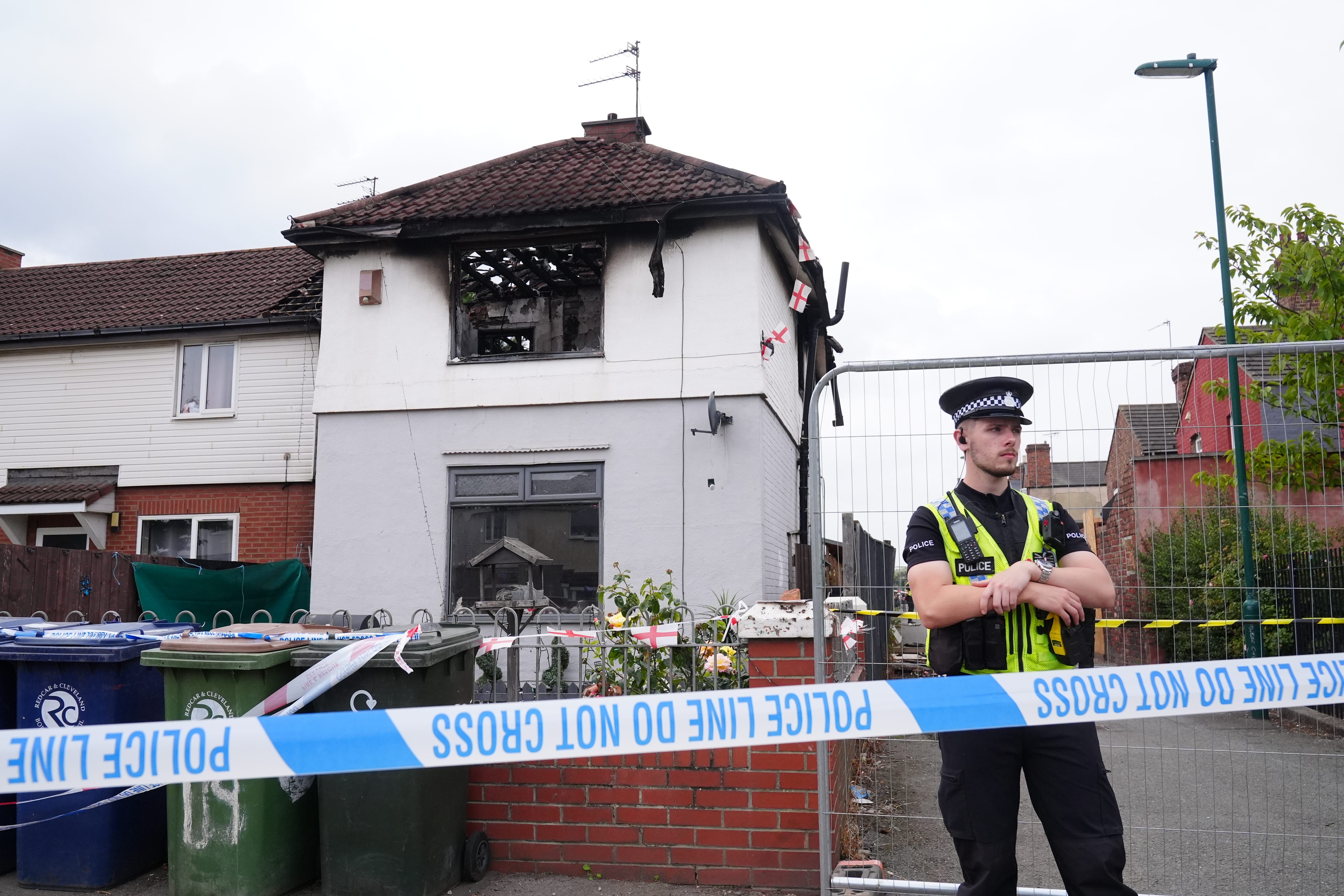
In recent days, five men and two police officers died in a head-on wrong-way crash on the A66 in an incident that Cleveland Police has linked to organised criminal activity, while a woman and a child, 7, died in a house fire.
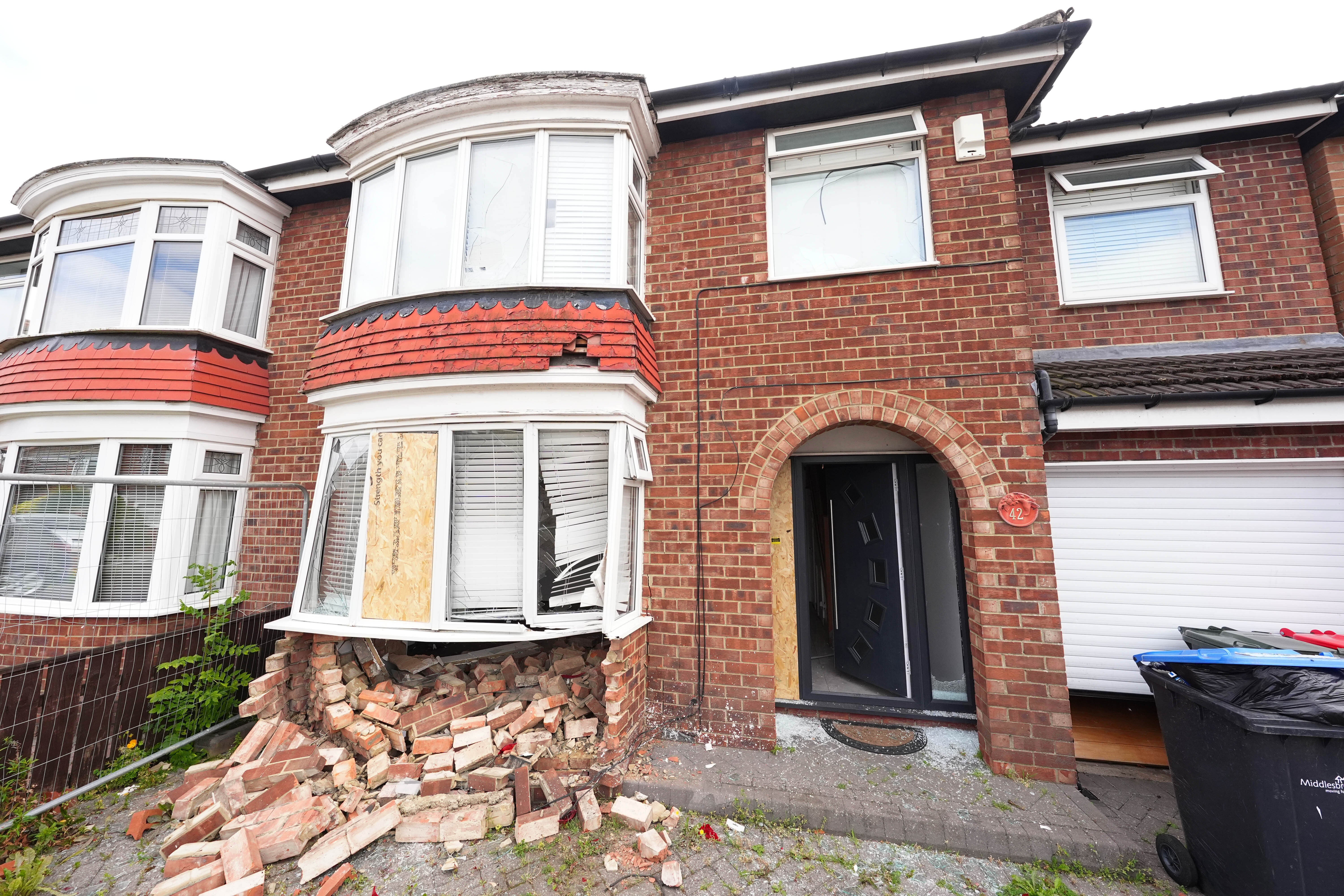
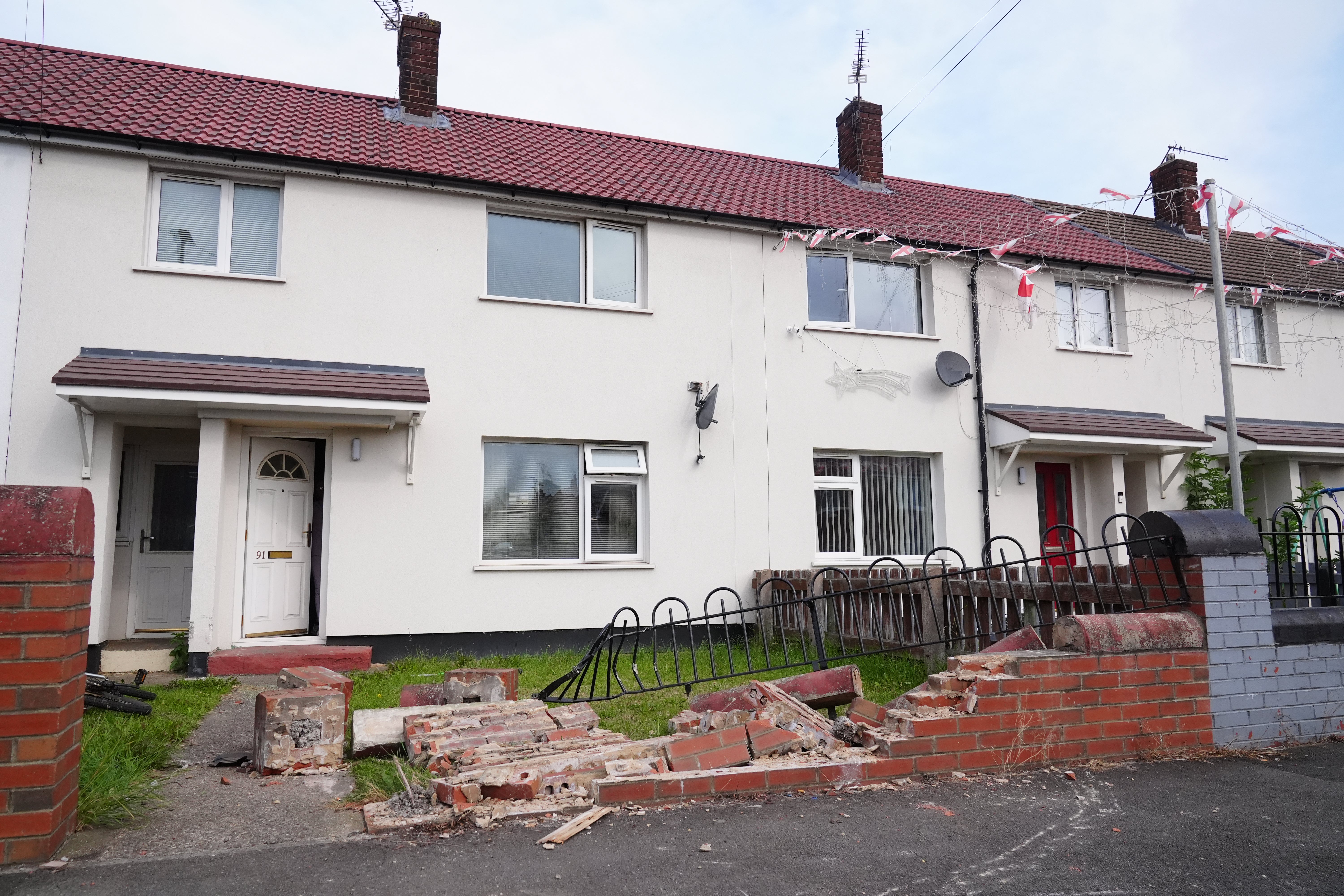
Two incidents of cars being rammed into properties and a stabbing at a housing estate in Eston have also dominated headlines, with 200 additional police officers drafted in to help abate the latest bout of violence that has left residents in fear.
Speaking to The Independent, former Cleveland mayor Andy Preston said: “In Middlesbrough and everywhere, we’ve created a feral underclass that preys on decent working-class people. It poisons the community with crime and intimidation.
“Middlesbrough is England’s crime capital, but it doesn’t have unique issues. It’s the same kind of people everywhere that commit crimes – it’s just that we’ve got more of them here.”
 open image in gallery
The Teeside area was one of the hardest hit by Britain’s industrial decline from the 1980s onwards, with the closure of work plants and a lack of reinvestment resulting in higher-than-national-average rates of poverty and unemployment.
Concerns have now been raised that the town’s young people, who may be the third generation to suffer from the area’s stagnating economy, are increasingly being attracted to petty crime, organised criminal networks and dangerous turf gang wars.
“The golden age of youth clubs was in the 1970s,” Mr Preston said. “Everybody went to youth clubs, the good and the bad lads.
“The problem now is that there is a culture shift and the biggest issue we have is low expectations and not asking enough of young people.”
 open image in gallery
When asked about the organised crime gangs that have taken root in the town, he described it as “tit-for-tat”, and said: “It’s loosely around the drugs trade, low-level distributors of drugs.
“They used to smash windows, then it’s shooting front doors to terrify them or their neighbours, then it was setting fire to cars, and now more recently it’s driving vehicles into their houses.”
He added: “People are scared to speak out and many won’t even report crime to the police. In some streets, the criminals have free rein and more incidents are happening, and they all appear to be connected.
“We’re just praying that this peters out. If it doesn’t, what the hell happens next?”
 open image in gallery
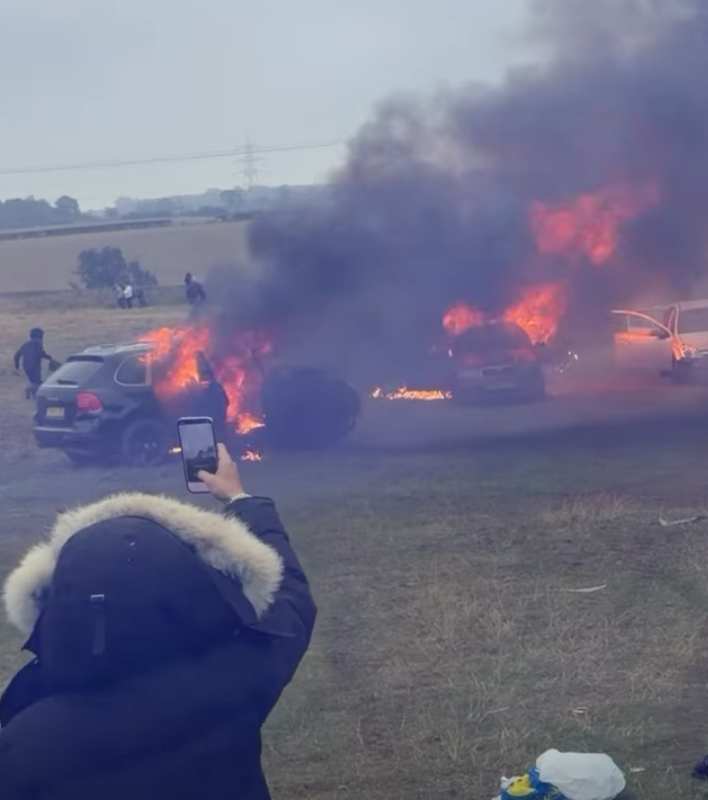
On Thursday evening, videos shared on social media showed several cars on fire at a vigil in Haswell, County Durham, where balloons were released in tribute to one of the men killed in the A66 crash.
According to reports, the event was to remember Michael Cahill, 23, with footage showing a large crowd gathering on grassland while cars could also be seen skidding around the area.
Assistant Chief Constable Jon McAdam, of Durham Constabulary, said: “The behaviour we saw at last night’s gathering was completely unacceptable.
“Our officers and the communities of County Durham and Darlington were understandably horrified by the tragedy which unfolded on the A66 last week, which resulted in multiple deaths, including two serving police officers.
“We utterly condemn anyone who would use that tragedy as an excuse for disorder and expect the overwhelming majority of the public would join us in doing so”.
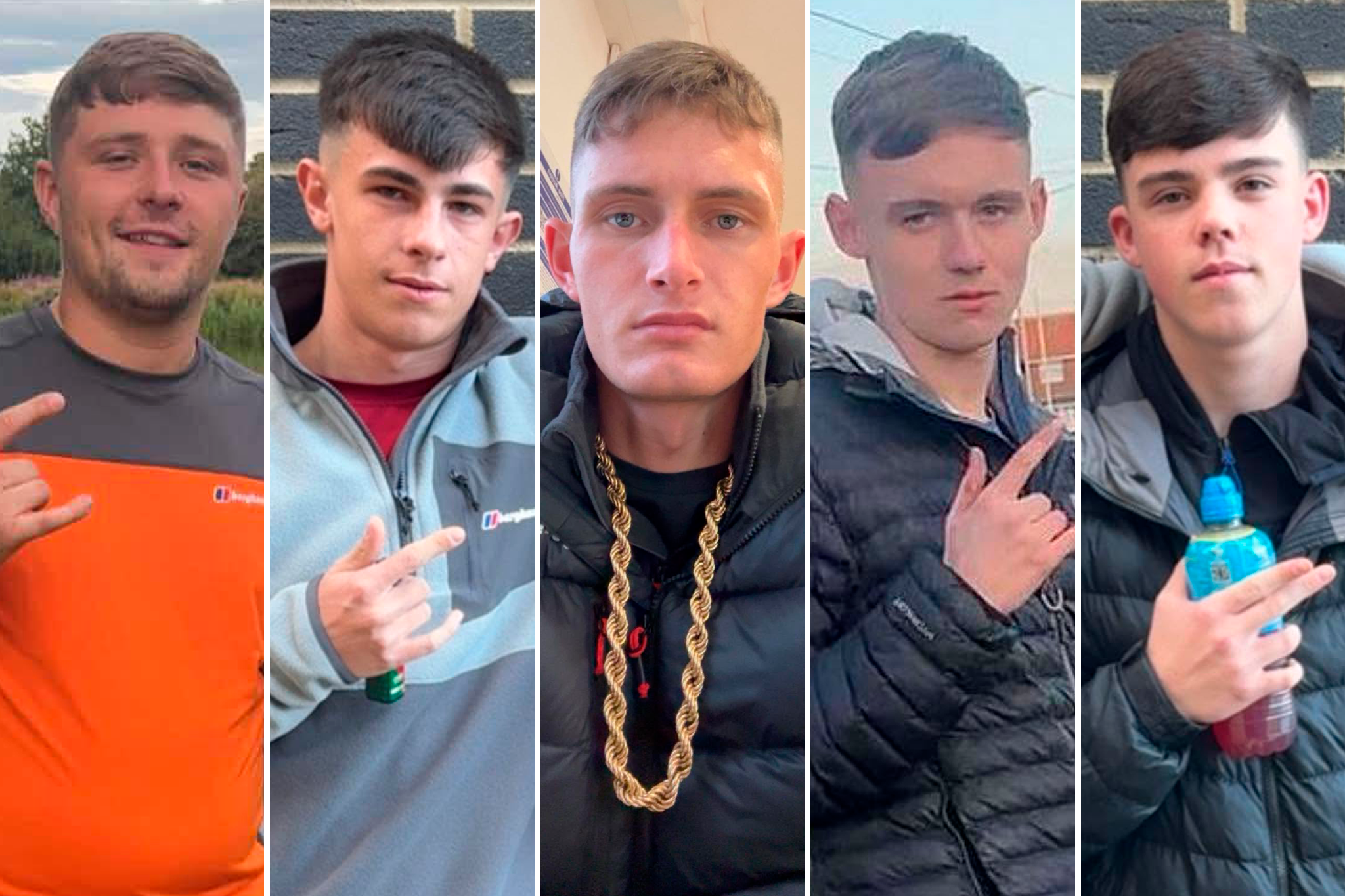
Mr Cahill was killed alongside Cole Worthy, 17, Theo Rae, 17, Makai Saddington, 18, and 23-year-old Jakub Matusiak on Saturday, after their Volkswagen Passat collided with a police vehicle.
PC Matthew Blades, 37, and PC Tom Clough, 38, died in the head-on collision, with police arresting 17 people as part of an investigation into alleged organised crime.
 open image in gallery
On Wednesday, a house fire in Grangetown claimed the lives of 34-year-old Natalie McDonald and seven-year-old Valentina Foster, and injured four others. In an interview with reporters, Ms McDonald’s devastated brother Josh Kirton insisted his sister “was not involved with anything to do with gangs”, and condemned their deaths as “senseless”.
On Friday, detectives confirmed they were not linking the blaze to the A66 crash, having earlier said they weren’t ruling out a possible connection. Two men arrested are currently being held in custody on suspicion of murder.
On Thursday, police were also called to another vehicle ramming incident, as well as a stabbing in Eston, where a 39-year-old man was injured.
A man who lives near the scene of the stabbing said people in the area were “trying to keep our heads down”.
Referring to the postcode that covers Eston and Grangetown and South Bank, among other areas, he said: “TS6 has gone mad, it’s brutal.”
 open image in gallery
Alec Brown, leader of Redcar and Cleveland Council, said he had written to thank the government for the additional resources but is asking for more.
Mr Brown said: “Over the last five or 10 years, some of our estates – the most deprived in the country – were at the coal-face of austerity.
“Cleveland Police were slashed by up to 500 officers, and I think what we’re seeing now is them doing a heroic job in very difficult circumstances, with limited resources from what they had in previous years.”
Mr Brown said two fatal events within a few days were “unprecedented” and had left people “scared”.
He said: “We’ve had nine deaths in the space of six days, starting with that horrific A66 crash.
“To lose nine lives with such close proximity of each other… that’s led to people feeling unsafe in their own homes.”
He added: “I get there is speculation whether there’s a gang turf war, these types of things, but as you can imagine, if you were to lose nine lives in your community, on your doorstep, you would feel unsafe in your own home.”