


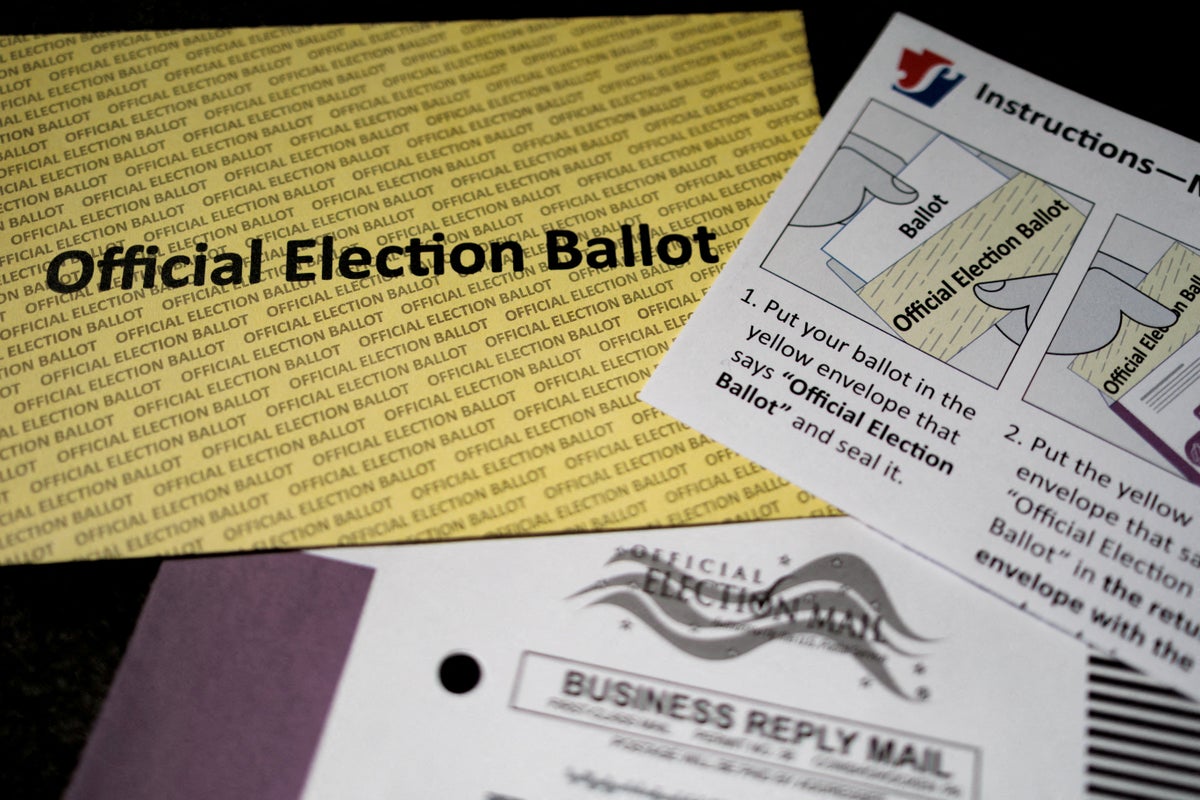
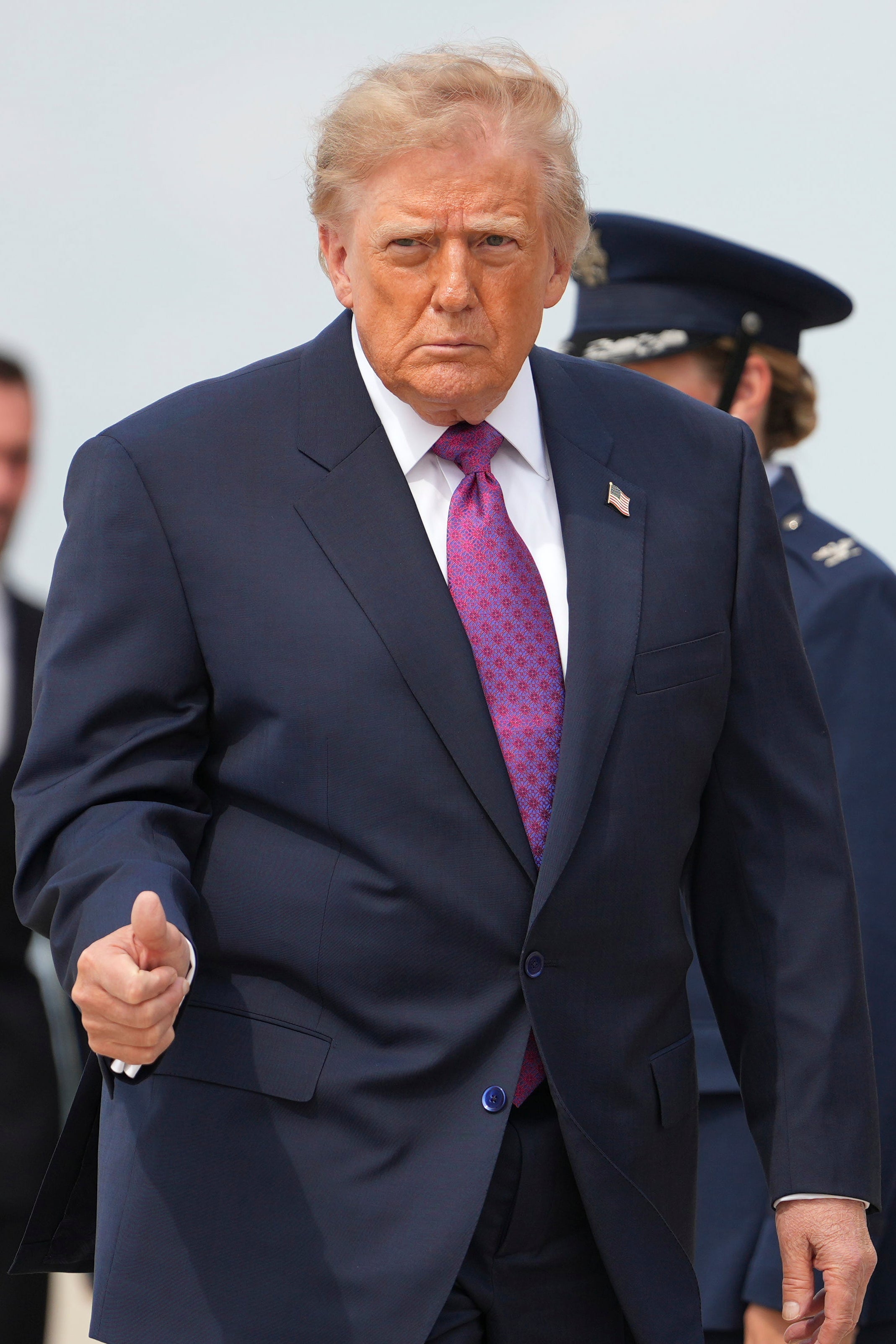
A federal judge has temporarily halted key elements of a new U.S. Postal Service policy directed by President Donald Trump that would restrict mail-in voting ahead of the upcoming congressional elections in November.
The 14-day temporary restraining order was issued on Thursday by U.S. District Judge Indira Talwani in Boston.
The decision followed a challenge mounted by voting rights coalitions and Democratic state attorneys general, which was sparked after the U.S. Supreme Court cleared the path on Monday for Trump’s mail-in voting restrictions by lifting earlier court injunctions.
 open image in gallery
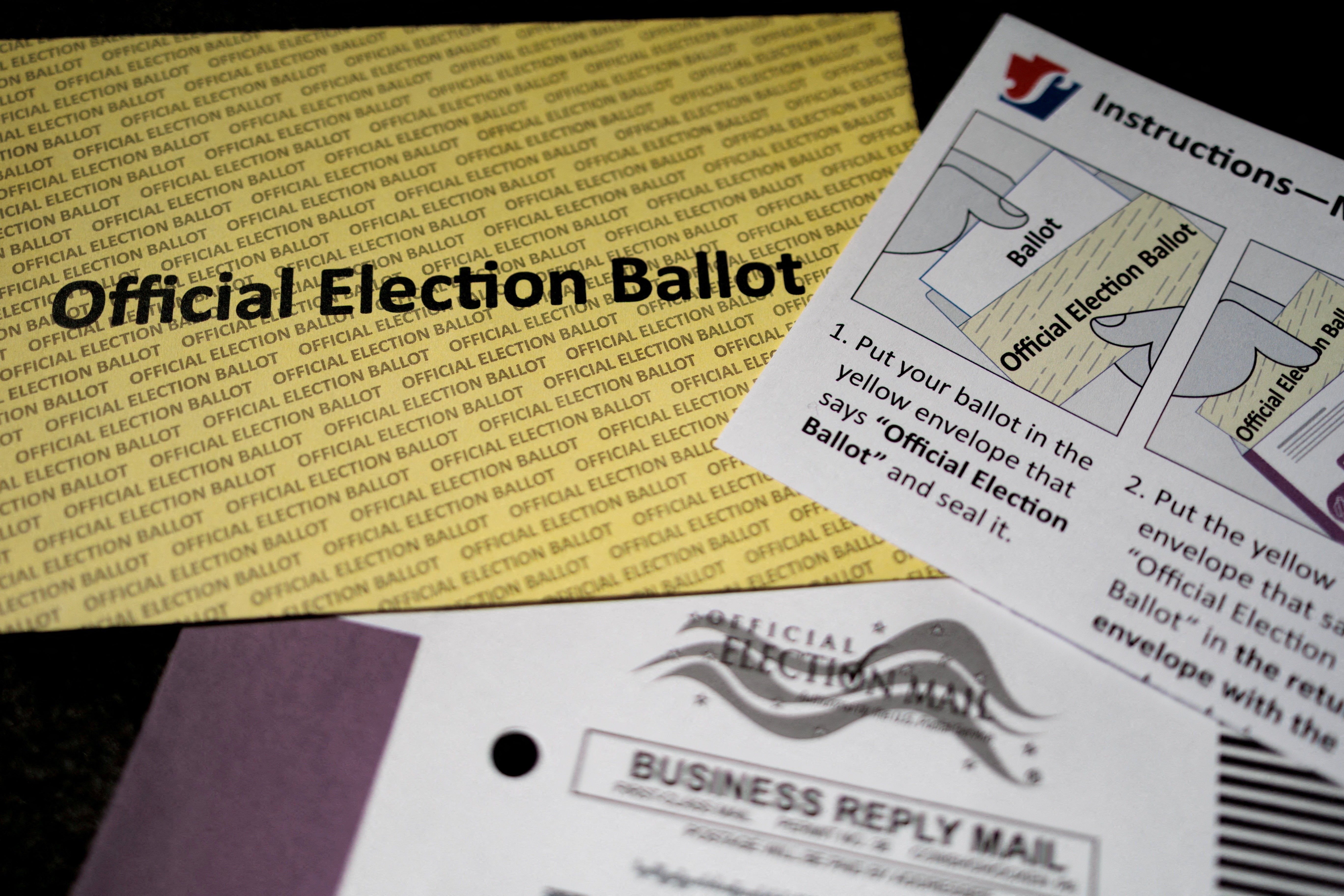
Prompted by the high court’s action, groups such as the League of Women Voters joined state officials in a fast-tracked legal bid to stop the USPS from enforcing the regulation, which had taken effect on Wednesday.
Under the challenged rules, states would be required to submit lists of mail-in voters to an electronic database managed by the agency and obtain USPS approval for ballot envelopes. In her decision, Talwani noted that these requirements threaten to prevent voters from submitting ballots by mail.
The judge highlighted that the agency failed to provide evidence of mail-in ballot fraud to justify the restrictions. She concluded that the regulation likely violated the U.S. Constitution, which places election administration under state authority.
 open image in gallery
“USPS’s interest in correcting an unsubstantiated problem through likely unconstitutional means is dwarfed by the overwhelming risk of pervasive disenfranchisement of citizens who need access to mail ballots in order to vote,” Talwani wrote.
The restraining order remains active for two weeks while the court determines whether to grant a broader preliminary injunction. Talwani, an appointee of Democratic President Barack Obama, has scheduled a hearing on the matter for September 3.
Sophia Lin Lakin, an attorney representing voting rights organizations with the American Civil Liberties Union, praised the ruling, stating: “Today’s order presses pause on an unlawful power grab that would sow chaos and confusion for the millions of voters who depend on mail ballots.”
 open image in gallery
Neither the USPS nor the White House provided immediate comments regarding the court order.
The agency implemented the regulations following a March executive order signed by the Republican president, after years of Trump pushing false claims that widespread voter fraud cost him the 2020 presidential election against Democrat Joe Biden.
The rules require states to provide the USPS with lists of ballot recipients and ensure all ballot envelopes carry specialized barcodes. Ballots that don’t comply or are tied to unlisted voters could be rejected by the postal service.
Mail voting is available across all 50 states, including 29 that permit it without requiring an excuse and eight that run elections exclusively by mail. The USPS processed roughly 100 million mail ballots during the 2024 election cycle, representing about 30 percent of all votes cast nationwide.
Opponents argue these federal mandates create severe logistical hurdles just weeks before voting begins, forcing states to overhaul systems, purchase new equipment and envelopes, and retrain staff while risking voter disenfranchisement.