


When my boyfriend asked me the name of my weirdest WhatsApp groupchat, he was left disappointed. While he had 20-person-strong message chains filled with in-jokes from friends spanning numerous decades, mine were markedly more procedural: “tomorrow”, “drinks Saturday” and “family”. I don’t have many group chats with friends because I don’t really have large groups of friends. Instead, my friendships are small and secure.
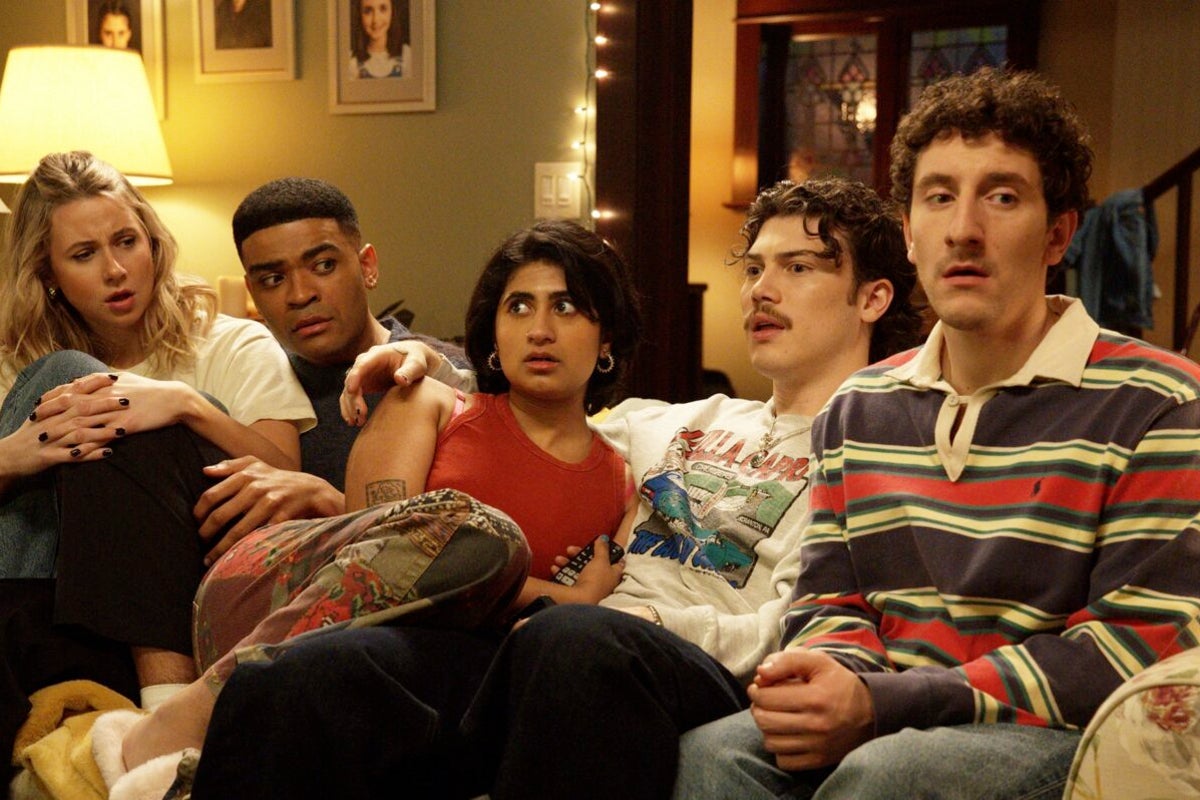
I’ve always felt significantly less at ease in big groups, but the boisterous joviality of a large crew is still seductive. Friends spilling out onto the pub pavement for sun-drenched after work drinks, squads checking in at the airport for long-awaited group holidays, or even the latest series of the Gen Z sitcom Adults, which follows in the footsteps of shows like Friends and Sex and the City to focus on a group of young people navigating city life, are enough to make me feel like I’m missing out on the fun. And I’m not the only one.
“That need to feel like we’re part of a tribe dates back thousands of years,” explains David Gradon, founder of The Great Friendship Project, a non-profit tackling loneliness among young adults. “If we didn’t have a group around us, we were much more at risk of predators; we would start to feel under threat and our body would enter survival mode and release cortisol, the stress hormone, to urge us to either reconnect with our existing group or find a new one. Loneliness performed a really powerful function.”
The purpose of loneliness has shifted since caveman times – but its prevalence has persisted, particularly among young people craving meaningful connection. Last year, the World Health Organisation (WHO) called loneliness an international “crisis”, with one in six people experiencing it worldwide. The highest rates of loneliness between 2014 and 2024 were among adolescents aged 13-17 and adults aged 18-29.
However, this is far from just being a young people problem. Recent research shows one in 10 Britons say they have no close friends.
 open image in gallery
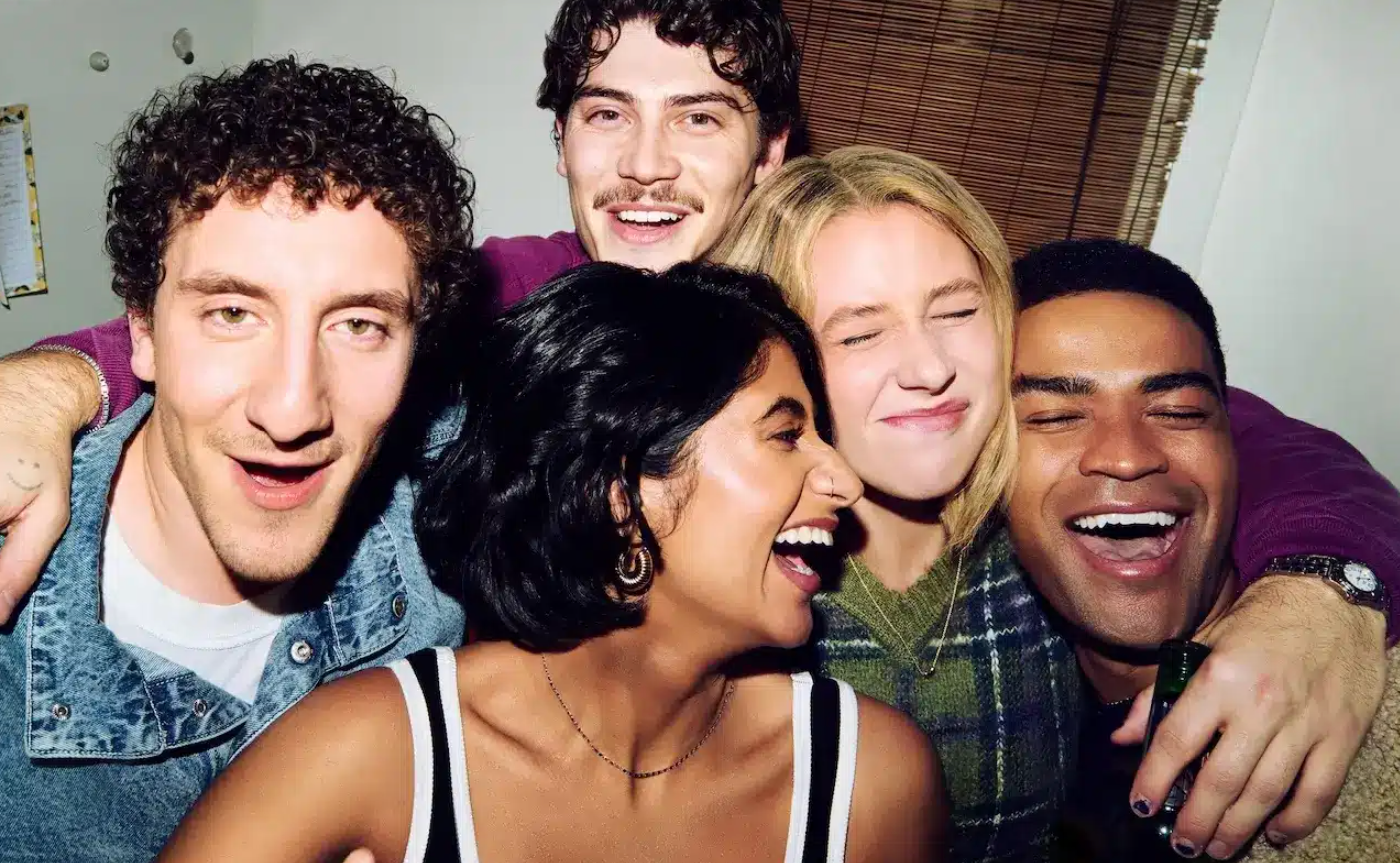
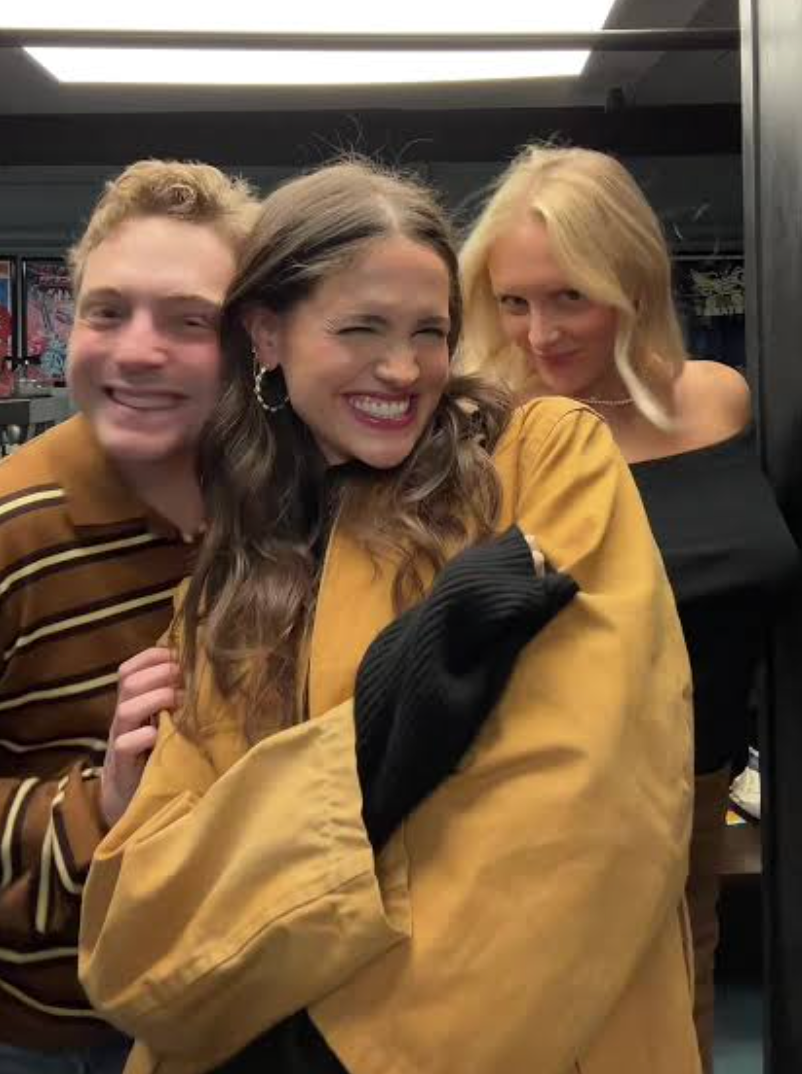
It comes as groups have become a sellable commodity online, with content creators like Jake Shane and Alex Earl earning millions of dollars by sharing videos of their group hangouts – dinners in New York, holidays in Mallorca – to social media, creating ‘friend group’ envy. “I just want to be in Jake Shane’s friend group,” writes one fan on TikTok. “So badly,” replied another.
“We’re always looking around trying to work out whether we’re enough; with money, with body image – and connection is absolutely no different,” explains Gradon. “The problem is, you’re comparing yourself to the very best version of how people like to present themselves. So, our understanding of what’s normal begins to get distorted. That’s true of friendships, too.”
“You meet your friends in very structured processes like school when you’re young,” he adds. “Adult friendships are very intentional…That fuels an expectation gap, because we know how good that group connection and support network can feel, and now we don’t have it. There’s a pronounced feeling of lack, because we’ve lost something valuable to us.”
 open image in gallery
Anna Goldfarb, author of Modern Friendship, notes that groups only survive if there’s a strong sense of shared identity. “In shows like Friends, their identity was just that they were single in New York and lived on the same floor. In the real world, that’s not enough to keep a friend group together for years and years… That’s not how people operate.”
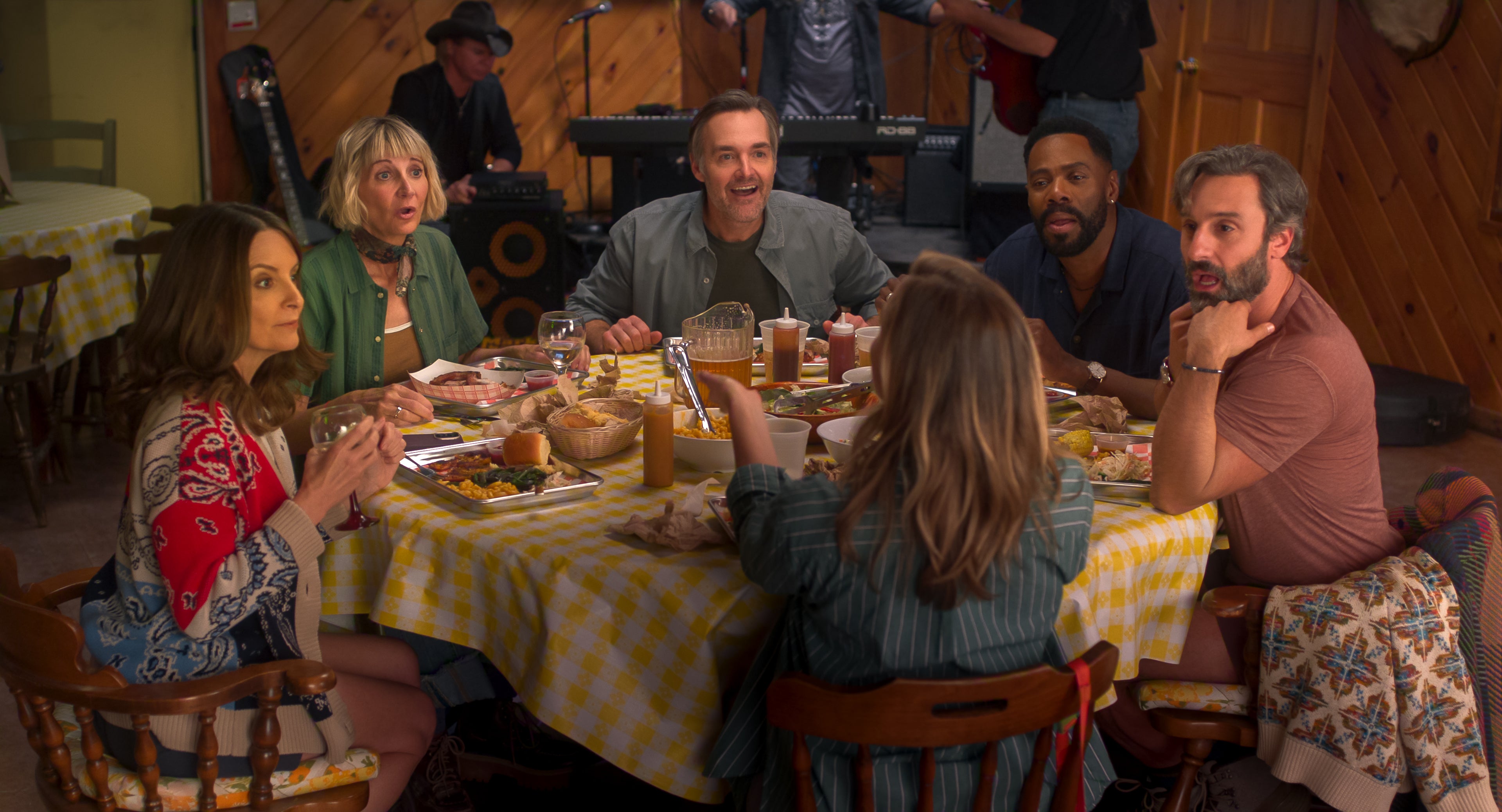
This sense of unreality is also evident in recent programmes like Four Seasons and The Five Star Weekend, which focus on older friendships and promote the idea that the friendship group you formed in your twenties can carry you through your forties, fifties and beyond. Again, they set a friendship bar that can feel impossibly high and out of reach in the real world.
As our personalities evolve, Goldfarb suggests we should be comfortable with our social circles changing too, rather than clinging on for dear life. “You might get a new group when you get married, or become a new parent, or move to a new place,. That’s how it works. Groups are hinged to your identity – They’ll always be in flux. That’s the gig.”
Both Gradon and Goldfarb note that, in their experience, men are more likely to operate in groups than women – but this doesn’t always equate to better levels of connection. “For men, it’s like a beer hall set up,” says Goldfarb. “They can be in the mix, get a drink, come back without too much pressure. For women, it’s more of a restaurant set up. I want to sit down with you face to face – there’s more care, more intimacy. They want to connect one-on-one. Groups require less vulnerability.”
Sometimes, it can be easy to assume that a group is something somebody just happened to have – that trying to create one would be awkward or embarrassing
They can also be a breeding ground for power struggles and general drama. Goldfarb chalks this up to Sigmund Freud’s theory of “the narcissism of small differences”, aka, people who are similar often fight with each other. “There’s always some bulls*** that bubbles up in a group. People need to differentiate themselves… So, groups can look great on the outside, but being in the wrong group can also be very draining. If it’s dysfunctional – it’s not fun. Science says you only need three to five friendships to reap the benefits. So, just focus on being an outstanding friend to a handful of people,” she suggests instead.
 open image in gallery
Social psychology professor and co-editor of The Psychology of Friendship essay collection Mahzad Hojjat says friendship groups are a relatively under-researched area in her field as romantic love has historically grabbed all the attention – but that’s about to change. “Because young people aren’t getting married at the rate that they were before, more and more you see single young adults, who’re not engaged and are not living with their parents, relying on their friends for support. So, those relationships become very important in a way they weren’t before. It’s something that we’re seeing more and more… It’s the hot new topic.”
Sometimes, it can be easy to assume that a group is something somebody just happens to have – and that trying to create one would be awkward or embarrassing. But both Goldfarb and Gradon stress that if you’re craving that dynamic, you can make it: you just have to mix smaller friendships together. People typically avoid it due to fears over compatibility, but it can pay off – and they’ll always one thing in common: their friendship with you.
 open image in gallery
“It’s a very vulnerable moment,” agrees Gradon. “You’re vouching for them as a trusted individual. In the past few years, we’ve lost the power of friends of friends, which is part of why I think we’re seeing that loneliness epidemic and friendship recession today. Those unofficial introductions can really sprawl into a spider web of connections.”
This leads me to recalibrate what my own social circle looks like. I don’t have a 20-person group chat, weekly pub sessions, a big villa holiday – or a pre-work breakfast each morning at the London version of Central Perk. But my university housemate is now firm friends with my first-ever colleague.
Each year, I visit them both in Barcelona. Separately, two of my journalist friends now live together in New York, after I put them in touch as they both decided to move across the pond. At my birthday this year, one table of girls – formerly strangers – ended the evening by calling each other family.
I might not have the TV-perfect friendship group but each time a connection sparks between my friends, it feels a bit like magic. The truth is that friend groups – when they do arise – might look nothing like they do on TV; they can be scattered across the globe, fragmented into sub-sections, waning in momentum, or just burgeoning into a blossoming clique.
“That’s part of the fun of friendship – you get to do what you want,” says Goldfarb. “You have control here. You can create what you need.”