


AdvertisementAsia’s next major health challengeBusinessClimate and energy
Why rising heat is Asia’s next major health challenge
In partnership with:AIA4-MIN READ4-MIN Listen
Morning Studio editorsPublished: 10:00am, 26 Aug 2026
Across the globe – and Asia in particular – the link between a changing climate and human health is becoming harder to ignore. Home to an estimated 60 per cent of the world’s population, Asia is warming faster than the global average and ranks among the planet’s most climate-disaster-prone regions.
Yet public awareness has not kept pace with the scale of the threat. In Hong Kong, many residents remain unaware of the health risks posed by rising temperatures; they are also unaware of how simple behavioural changes could help reduce their exposure.
Densely populated cities face particular risks. Concrete-heavy urban environments can trap heat, while air pollution, changing disease patterns and extreme weather events add to the burden. In 2024, Hong Kong recorded its hottest year on record, with 52 “very hot days” and 50 “hot nights”. This month, the city witnessed its hottest day on record.
The “Climate and Health in Asia” report, produced by Forum for the Future and sponsored by AIA, describes extreme heat as a growing threat to population health. The risks are particularly acute in cities, where polluted air and the urban heat-island effect can compound exposure and keep temperatures elevated after sunset, prolonging exposure and endangering those most at risk.
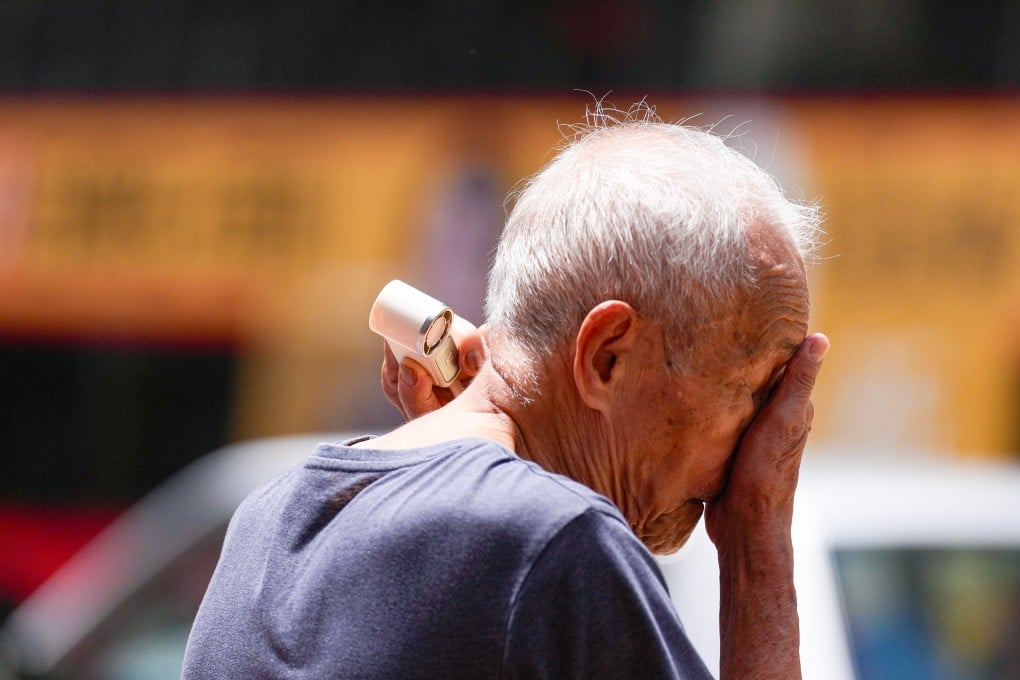
Asia’s rapidly ageing population must also be considered. By 2050, one in four people in the region are expected to be over 60, according to the report, increasing healthcare demand just as climate-related risks accelerate.
“Human health is strongly determined by environmental health,” says Emily Chan, assistant dean and professor of Chinese University of Hong Kong’s Faculty of Medicine. “With climate change, there is a direct, visible and palpable impact on the population in Hong Kong. Research here shows that temperature extremes, sudden changes and especially summer heat have specific effects on mortality and morbidity across a range of diseases, as well as on the ability of the health system to cope.”

Hot nights intensify the problem. “Research in Hong Kong found that a 24-hour cycle gives the community a chance to recover if nights are cooler than the daytime,” Chan says. “When the evening cooling period is shortened or disappears during periods of extreme heat, the risk multiplies for the general population, especially for vulnerable groups.”
For Amita Chaudhury, AIA’s group head of sustainability and chair of the United Nations Principles for Sustainable Insurance Board, one of the biggest challenges is that climate-related health risks continue to be seen in isolation. “Climate change is still largely viewed as an environmental issue, yet factors such as extreme heat, poor air quality and severe weather are increasingly affecting the health and well-being of communities,” she says.
“Many people see it as an inconvenience rather than a health risk, yet prolonged exposure can affect cardiovascular health, respiratory conditions, mental well-being and overall quality of life – particularly among older adults and those with pre-existing health conditions.”
Globally, heat-related mortality among people over 65 has risen sharply compared with the 1990s, according to evidence cited in the report. For ageing societies such as Hong Kong’s, the trend highlights the need to treat extreme heat as something that is more than a seasonal inconvenience.
“Research on temperature and health already shows that beyond certain thresholds, hospital admissions and deaths increase, depending on the disease,” Chan says. “If we consider the increasing number of hot days in the city over the past five years, there is good reason to believe that silent mortality and health service demand are increasing as well.”
Heat is often described as a “silent disaster” – unlike a typhoon, heat does not always produce a clear moment of impact or trigger an equally visible community response. Yet the effects can accumulate across homes, workplaces, schools and hospitals.
Chan says Hong Kong has the building blocks required for a stronger response, including reliable health data, skilled healthcare workers and the capacity to cope with emergencies. The challenge is ensuring these resources can be mobilised in real time when temperatures reach dangerous levels.
The climate-health challenge also creates an opportunity to strengthen preparedness before illness occurs. Historically, healthcare protection has focused largely on treatment and recovery. Chaudhury says there is now a need to place greater emphasis on awareness, prevention and engagement to help people build resilience before health issues arise.

AIA’s programmes reflect this broader shift towards prevention and long-term well-being. AIA Vitality takes a science-based approach to encouraging healthier lifestyles and positive behavioural change through physical activity, health assessments and wellness activities that help people better understand and manage their health. The AIA Healthiest Schools Programme works with schools, educators and families to promote healthy eating, physical activity, mental well-being and environmental awareness from an early age. These and other initiatives form part of AIA One Billion, the group’s ambition to engage 1 billion people to live “Healthier, Longer, Better Lives” by 2030.
This focus on prevention extends across different stages of life. Through initiatives such as the AIA Alta High-Net-Worth Optimal Longevity Index, which considers physical health, mental well-being and financial readiness, AIA is examining factors that support long-term resilience and quality of life. The company says related services, including health assessments, healthcare navigation and medical case-management support, are intended to help customers identify potential risks earlier and make more informed decisions about their health.
Chaudhury stresses that insurers are just one part of a much broader response. “Collaboration can help strengthen public awareness, improve preparedness, support healthcare system resilience and ensure interventions reach vulnerable populations,” she says.
Chan echoes this sentiment, saying effective protection from heat will require more than public warnings alone. “A healthy community requires multidisciplinary engagement,” she says.
It also involves clearer guidance for outdoor workers, schools and people taking medication, as well as stronger outreach to older people and those living alone. And it depends on the reliability of essential services such as water, electricity, food supply, transport and emergency responses, as well as coordinated efforts from businesses and community organisations.
As Asia becomes hotter and its population older and more urbanised, the health risks of climate change will increasingly be measured not only by record temperatures but also hospital admissions, disrupted daily life and preventable deaths. Preparing for that future will require individuals to adjust their behaviour, institutions to strengthen prevention, and public- and private-sector organisations to work together.
“We need better warning systems and supporting services behind those warnings,” Chan says. “We also need a responsible unit to coordinate this. Essentially, we need leadership.”
AdvertisementAdvertisementSelect VoiceSelect Speed00:0000:001.00x