


AdvertisementShaping the future of investingBusiness
Bank of Singapore’s CIO Summit 2026 brings global perspectives to Hong Kong
Paid Post:Bank of Singapore3-MIN READ3-MIN Listen
Published: 12:00am, 26 Aug 2026
[The content of this article has been produced by our advertising partner.]
For much of the past three decades, investors benefited from an environment defined by globalisation, low inflation, ample liquidity and relative geopolitical stability.
Today, many of those assumptions are being challenged. Geopolitical fragmentation, technological disruption, demographic shifts and the reordering of global economic relationships are reshaping the investment landscape, prompting investors to rethink traditional approaches to diversification and long-term wealth creation.
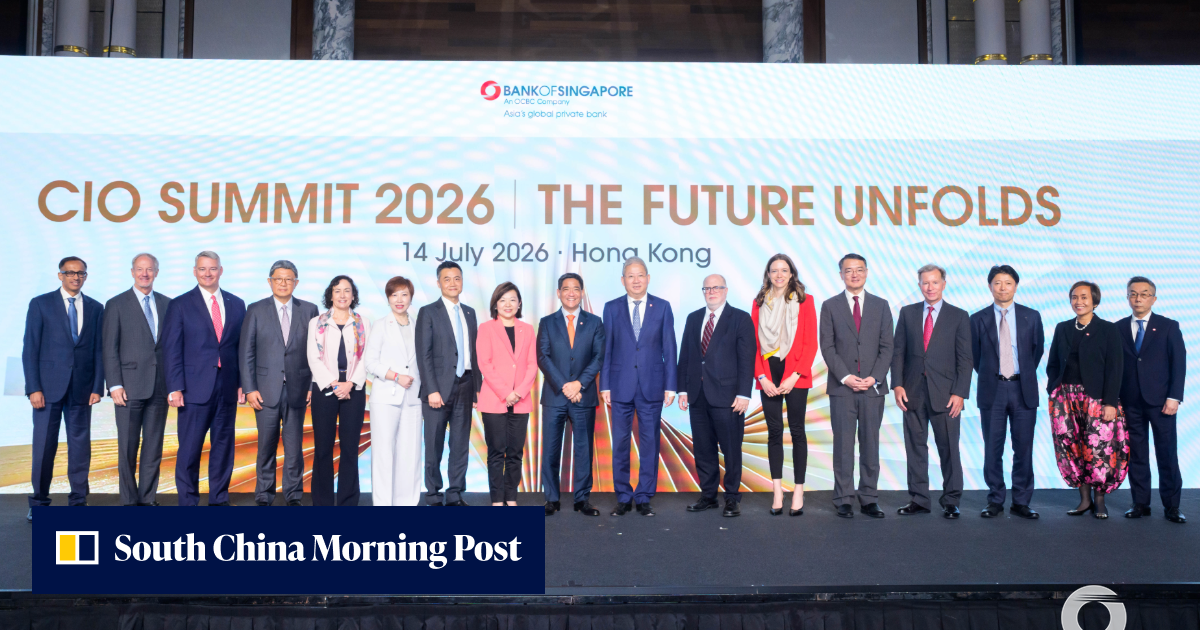
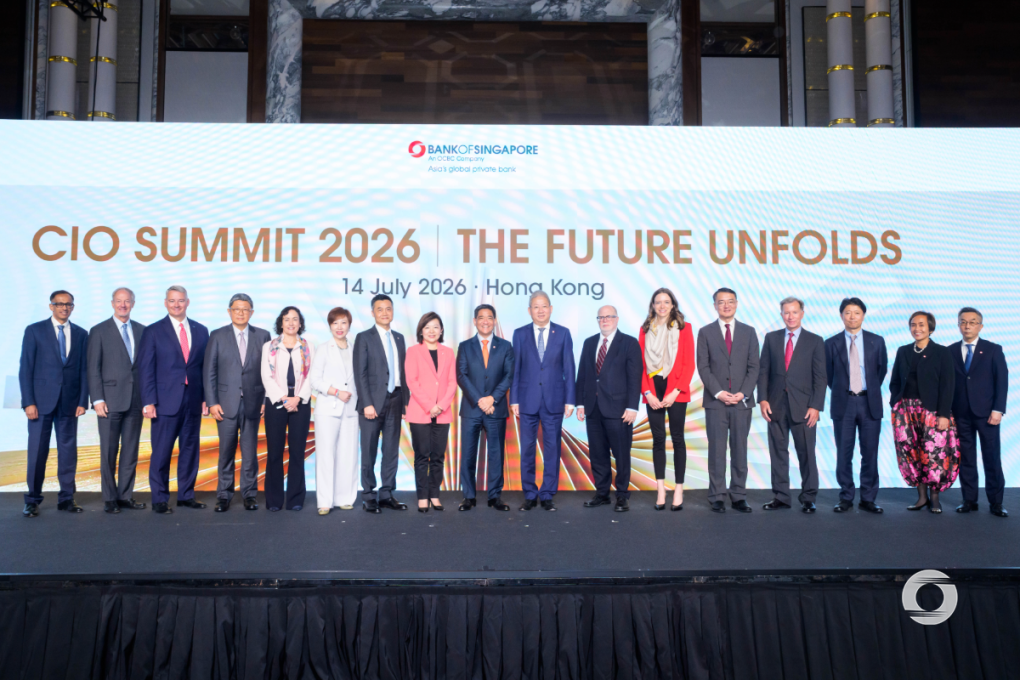
Against this backdrop, Bank of Singapore’s flagship CIO Summit, held for the first time in Hong Kong in July, brought together leading investment thinkers, policymakers and asset managers, to explore the redefined opportunities and risks for investors.
On Cycles and Convictions
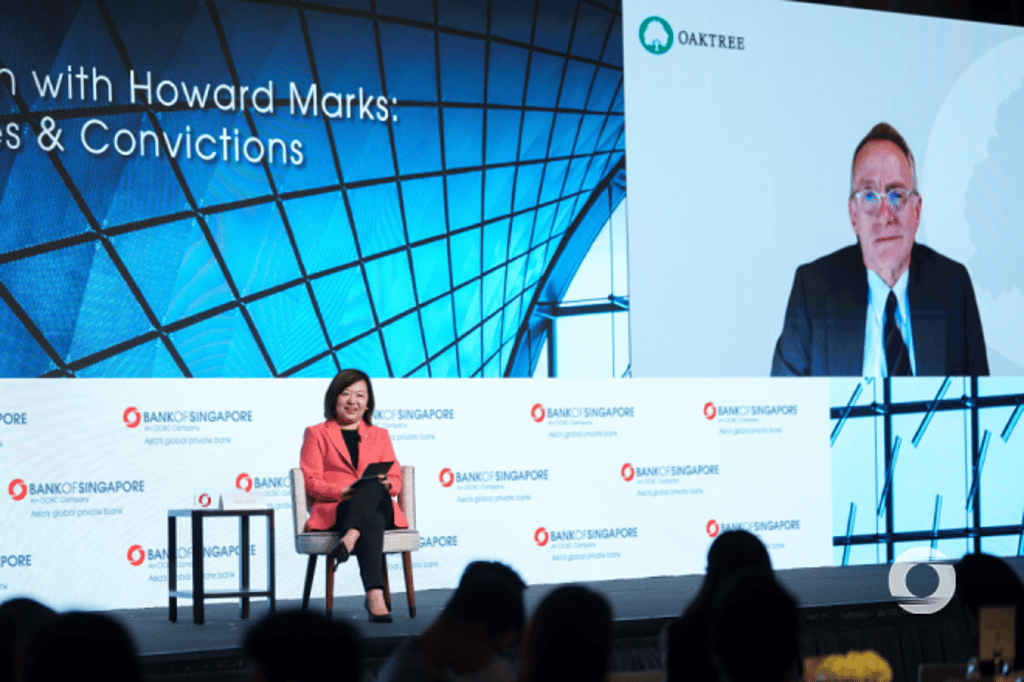
Howard Marks, Co-Chairman of Oaktree Capital Management, opened the summit with a reminder of the importance of discipline during uncertain periods.
“The most important thing is to remember why you went in… The worst thing you can do is to let your investing be driven by emotion,” he said, noting that investment decisions ought to be driven by fundamentals, which gives rise to courage.
“One of the greatest old sayings in banking is that the worst loans are made in the best of times because people are unafraid,” he added.
His remarks underscored one of the central challenges facing investors today: Separating temporary market turbulence from deeper structural change. That distinction is becoming increasingly important.
Navigating a Fragmented World Order
To help investors make sense of these shifts, Bank of Singapore’s latest Supertrends report, Cycles, Halos and Moonshots, identifies five structural forces that could reshape the investment landscape over the coming decade. Unlike traditional market cycles, these themes are long-term in nature and likely to influence how capital is allocated, where growth emerges and how portfolios are constructed.
They range from the growing importance of strategic economic chokepoints and the need for more holistic portfolio construction, to China’s next phase of innovation-led growth, the transformative impact of artificial intelligence and the opportunities emerging from longer life expectancies and ageing populations.
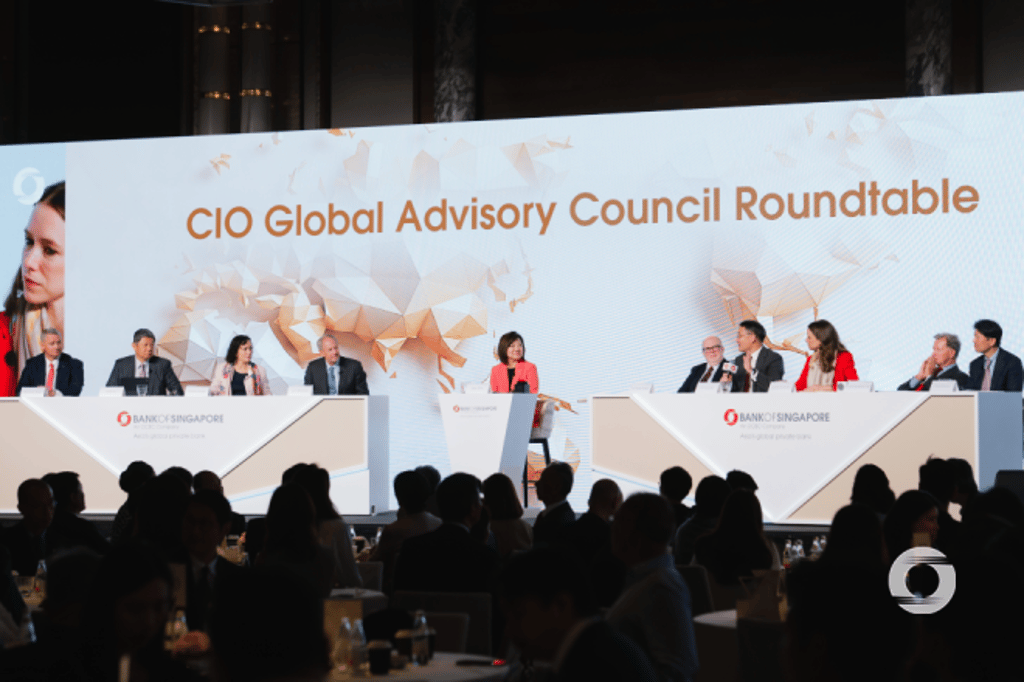
These themes also formed the backdrop for discussions among members of the Bank’s CIO Global Advisory Council, who explored a fundamental question confronting investors today: How should portfolios adapt to a world where geopolitical tensions, technological competition and economic fragmentation are increasingly shaping market outcomes?
If AI was viewed as one of the defining opportunities of the coming decade, panellists noted that realising its potential would require enormous investment in the physical systems that support it. This is why infrastructure was another major focus, and panellists highlighted the scale of capital expenditure required to support AI development, supply-chain resilience and geopolitical realignment.
Lauren Goodwin, Chief Investment Strategist at KKR, noted that the long-term beneficiaries of these trends may be the “pipes” and “rails”, or the essential infrastructure that enables broader transformation.
Robin Hu, Emeritus Asia Chairman of the Milken Institute and Advisory Senior Director at Temasek, noted: “Look beyond where scarcity is underpriced, where bypass capital is already routing, and who gets paid by building those alternatives.”
Alexander Wright of Apollo Global Management also pointed to the need for “tens of trillions of dollars” in investment across AI, defence, pharmaceuticals and supply chains, with public and private markets expected to play complementary roles.
These shifts have implications not only for economies and industries, but also for how investors build portfolios, and several panellists argued that a world characterised by greater inflation volatility, geopolitical uncertainty and rapid technological disruption calls for a broader approach to diversification.
Fabiana Fedeli of M&G Investments and KKR’s Lauren Goodwin noted that the traditional relationship between equities and bonds has become less reliable, reducing the effectiveness of conventional portfolio construction.
In response, many institutional investors are increasingly adopting a total portfolio approach, dynamically allocating capital across public and private markets according to underlying opportunities and risks rather than fixed asset-class allocations.
Looking Ahead
The discussions at the CIO Summit reflected a growing recognition that investors are navigating more than another market cycle.
For Jean Chia, Global Chief Investment Officer at Bank of Singapore, this shift requires a different mindset. “A world defined by geopolitical realignment, rapid technological innovation and evolving economic relationships requires a broader investment lens – one that looks beyond short-term market fluctuations to the structural forces shaping future growth,” she said.
For investors, this means less of anticipating the next market move and focusing more on identifying the long-term trends. And the message that emerged from the summit was clear: While periods of structural change inevitably create uncertainty, they also create opportunity. Those who can position portfolios around enduring themes will be better placed to navigate an increasingly complex world.
Download 2026 Supertrends: Cycles, Halos and Moonshots, or visit Bank of Singapore for more investment insights and thought leadership.
AdvertisementAdvertisementSelect VoiceSelect Speed00:0000:001.00x