


The porch hanging planter has certainly seen better times, as its summer annuals have withered into a brown crisp that might leave neighbors wondering if the Addams Family has moved in. While extreme heat undoubtedly contributed to their demise, a degree of neglect was also clearly responsible.
Moving a few impatiens from the garden into the basket served as a temporary measure to save face. However, with September right around the corner, it is now time to give the arrangement a proper refresh for the upcoming season.
 open image in gallery
Try these for a burst of fall color
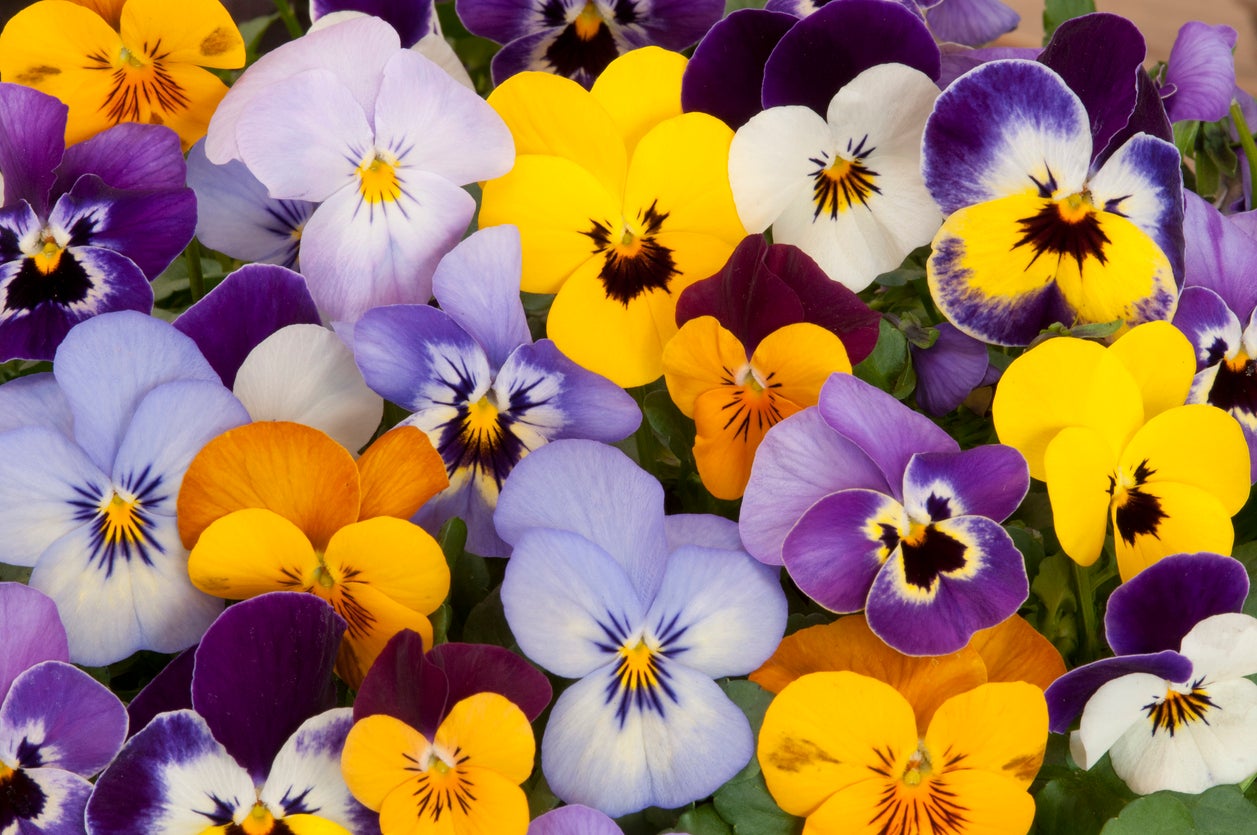
Pansies are my usual go-tos for fall. Their smiling faces of orange, purple and yellow brighten even the most faded of gardens. And fall-planted pansies will return in spring, ready to bloom for another season. That’s because, unlike most garden annuals, they’re done in by the heat of summer, not the cold.
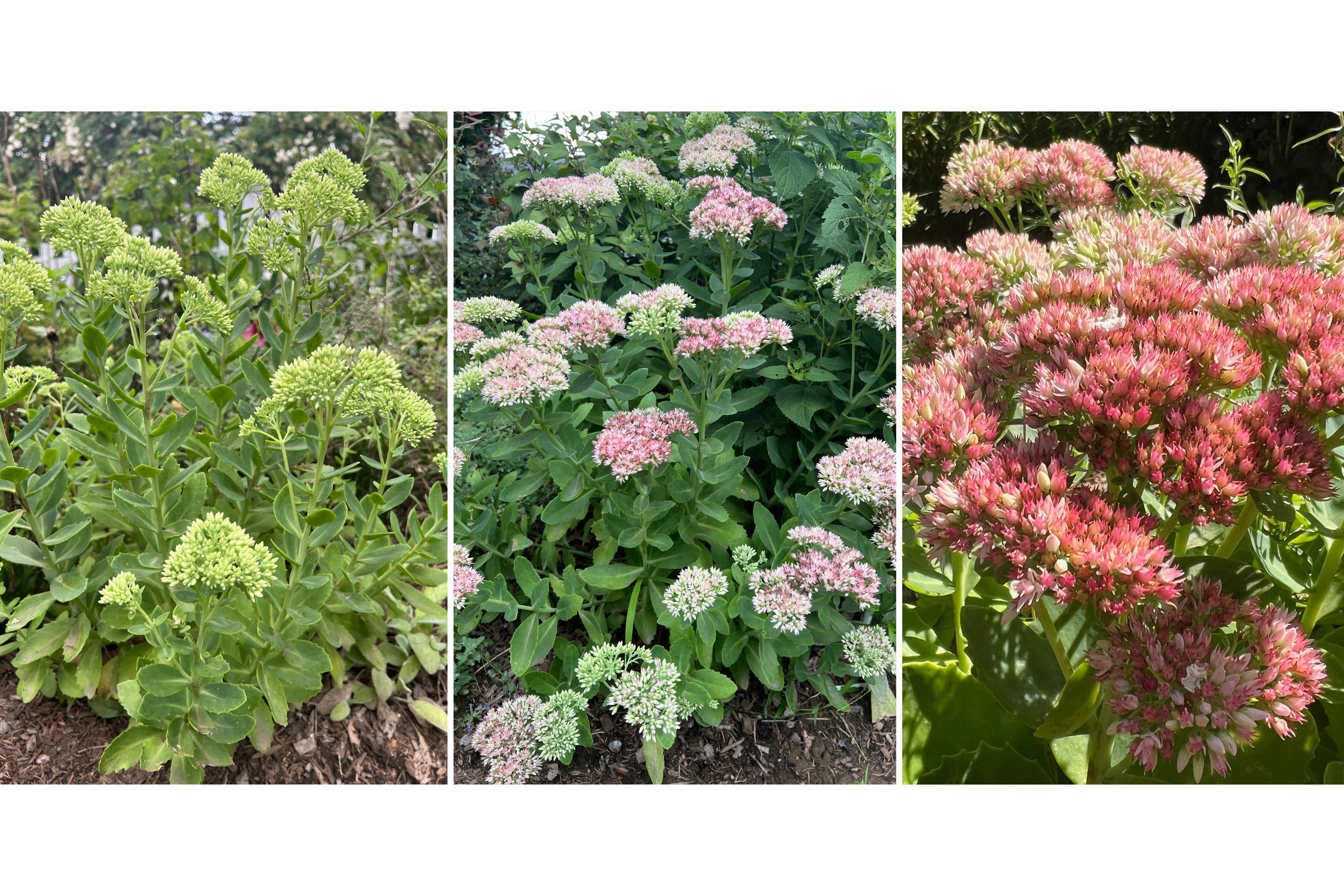
I’ve bordered most of the front garden bed with Sedum Autumn Joy, a perennial in horticultural zones 3-9 that changes with the seasons. Its green early-season flowers gradually take on a pinkish hue that darkens as summer progresses, landing on a fall-appropriate maroon by mid-September. It’s the only flowering plant I can think of that meets the seasons where they are every step of the way.
 open image in gallery
You might add mums and then let them stay
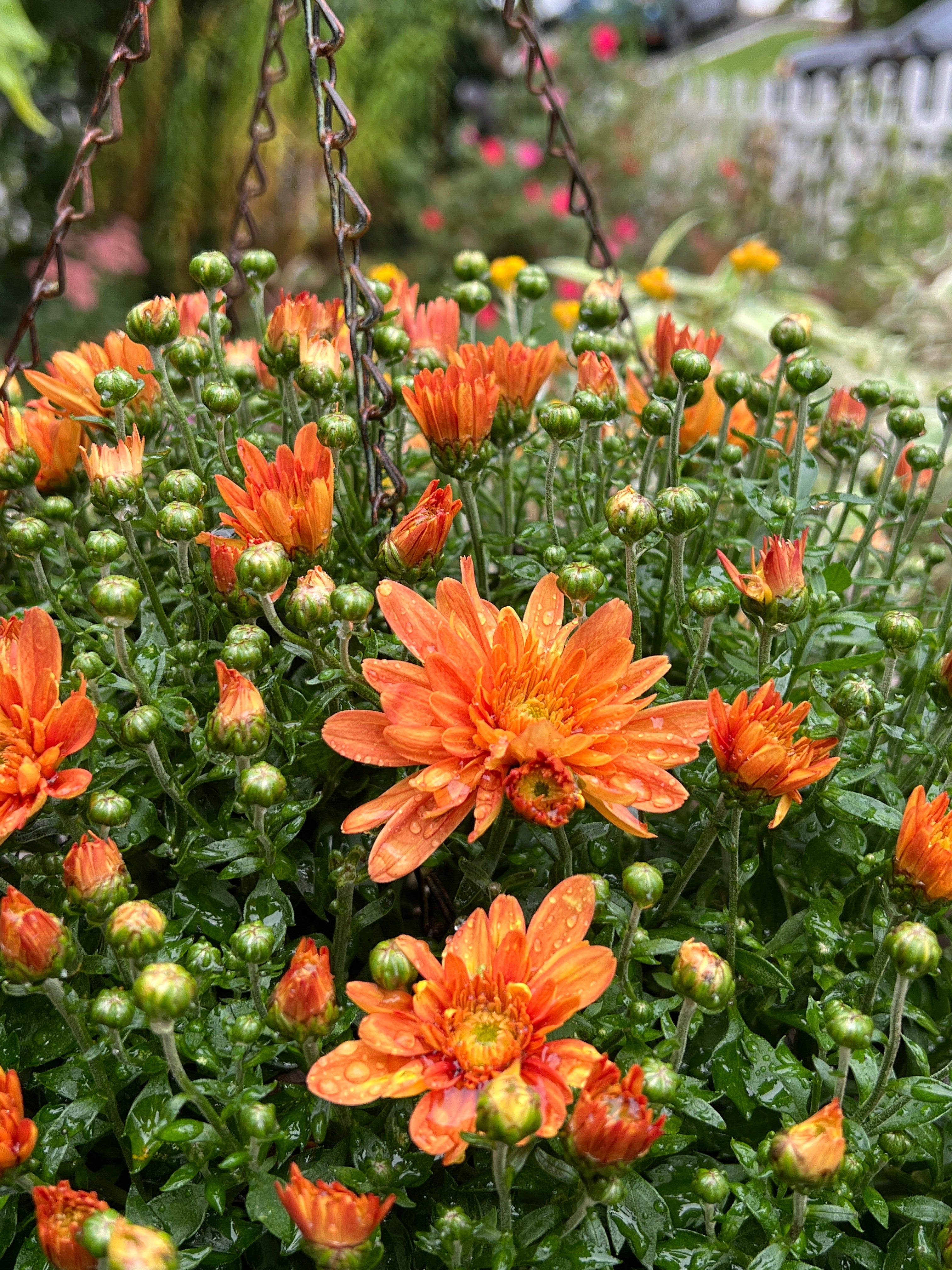
As summer annuals fade, consider replacing them with garden chrysanthemums, but don’t pull them out at the end of the season. Plant them at the front of beds, where their orange, rust, bronze, yellow, pink, purple or white flowers will obscure the fading plants behind them. Leave them be, and they’ll return year after year for effortless fall flair.
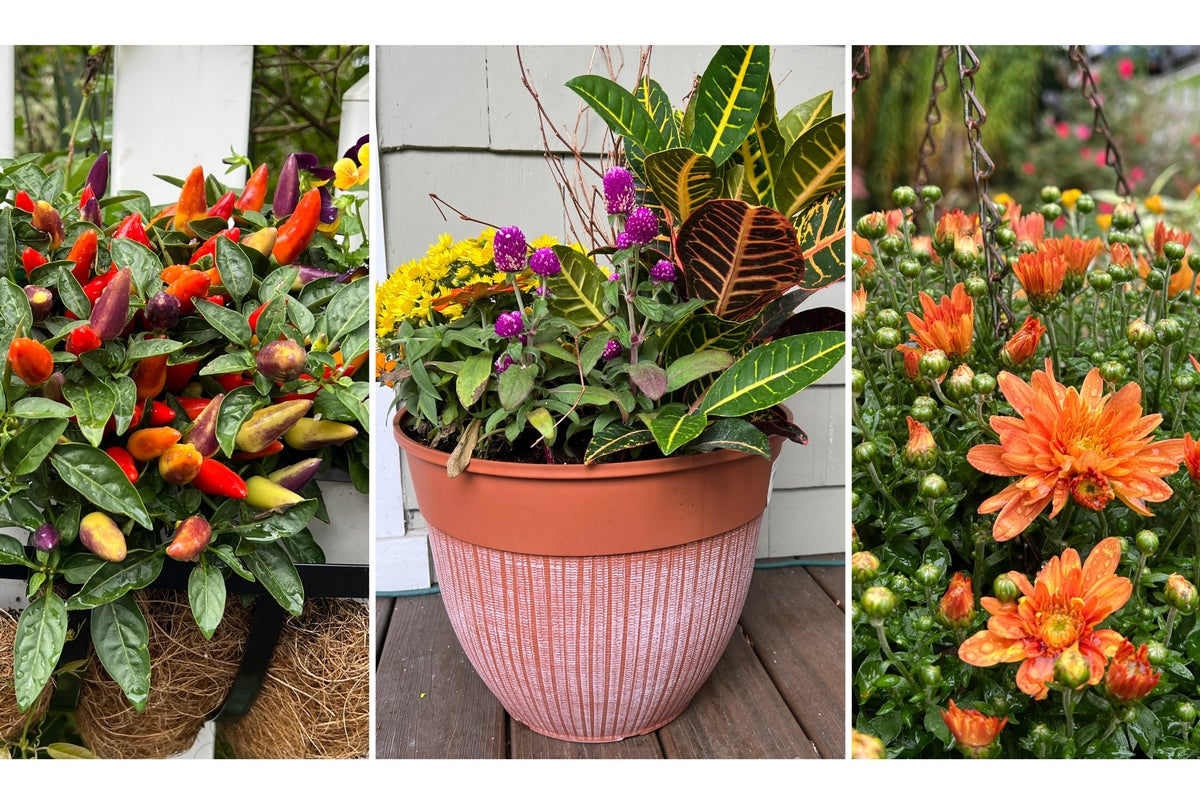
Firecracker plant (Cuphea) is an easy-care, heat-tolerant choice with striking, tubular orange flowers that attract hummingbirds. It’s hardy in zones 8-11 and used as an annual in cooler regions, where it blooms from spring through frost. But fall plantings work, too, and the plant makes a dramatic addition to containers alongside lantana, fountain grass (Pennisetum), coral bells (Heuchera), globe amaranth (Gomphrena) or calibrachoa.
Croton, a foliage plant with yellow- and orange-veined, large green leaves, is typically treated as a houseplant outside of the tropics, but I wouldn’t discount it as a container or bedding plant, especially in fall arrangements.
 open image in gallery
Don’t forget shrubs and vegetables, real or ornamental
Reblooming azaleas like Encore and Perfecto Mundo bloom in spring, like their cousins, but make repeat performances straight through frost. Check specific varieties to ensure they are hardy in your zone.
Firecracker bush (Russelia equisetiformis) is unrelated to the firecracker plant above, but boasts similar weeping, arching stems, covered in bright red tubular flowers on 3- to 5-foot-tall (.9- to 1.5-meter) shrubs that hummingbirds and butterflies love. It’s hardy in zones 9-11.
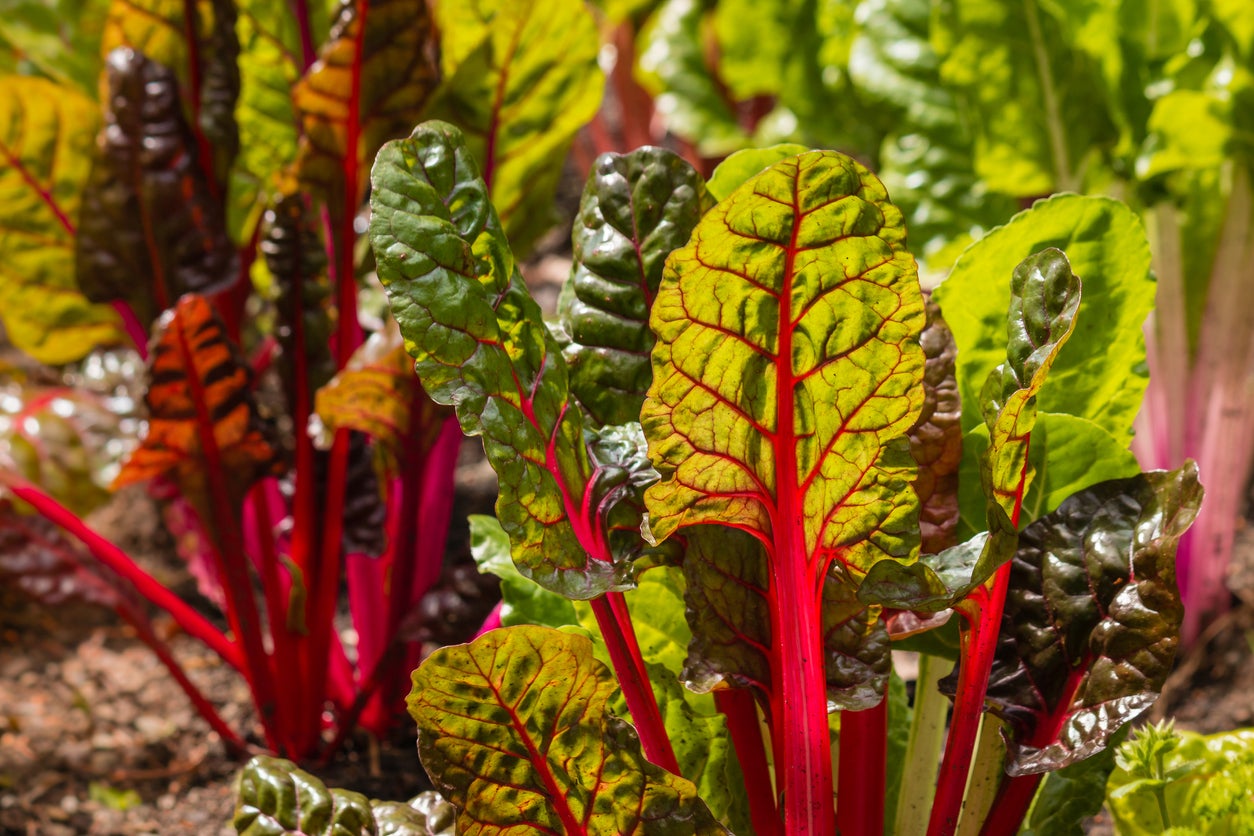
Rainbow chard is an edible contender, its orange, red and green leaves perfectly suited to the season. After it has performed its aesthetic role, cut it down and sauté it with salt, pepper and garlic.
 open image in gallery
Miniature red, orange and purple ornamental peppers make interesting focal points, too, but they should be considered only decorative because of the pesticides used in the ornamental trade. They would taste awful, anyway.
Ornamental cabbages and kales are technically edible, but it’s best to limit their use to the garden for the same reasons. They’ll add texture and color, with their purple, green or cream leaves remaining fresh until temperatures below freezing collapse their cell walls.
Then it’ll be time to start planning your spring garden.