



The Independent Money channel is brought to you by Credit Karma.
For many Americans, summer’s vibes just aren’t vibing.
Some 87 percent of consumers have anxiety about rising prices and, as a result, 86 percent of them have reduced how much they spend on everything from gas to groceries, according to consumer data firm J.D. Power.
As much as Americans want to take a vacation from the financial squeeze they’re feeling, it’s hard to escape the high-cost realities they face, said Vipin Porwal, founder of shopping rewards app Smarty.
“What we’re really seeing is that many consumers are now conditioned to watch for low pricing and getting value, budgeting more carefully and making more intentional product purchases,” Vipin told The Independent in an email. “This summer with tighter budgets for most consumers, every purchase is critical and every dollar counts.”
Smart spending and frugal habits can shore up summer finances and provide stability in an unstable season of the American economy.
 open image in gallery
Done with delivery
Some 28 percent of Americans use food delivery services at least once a week. While convenient, a January 2025 YouGov survey found, the added fees that food delivery comes with can slowly drain monthly income – that’s why they make a good target for cutbacks, said Nathan Haas, a financial advisor and owner of Haas Trade Advisors.
“Where I see my clients can make the biggest cuts are in eating out and food delivery services,” Hass said in an email to The Independent. “By reducing the amount of eating out and preparing meals at home most people can easily save hundreds of dollars.”
The average American spends around $2,841 a year on eating out and takeout, a 2025 survey from tech publication CNET found. That’s a per-person figure – in a household of two, cutting spending in these areas in half can save around $237 a month.
Get a new grocer
Consumers can save hundreds of dollars a month on their grocery bill by switching where they shop.
Using Walmart as a baseline for the average cost of a trip to the grocery store, shoppers can save an average of 8.5 percent by switching to Aldi, a February 2026 study from consumer ratings and research company Consumer Reports found. Those savings shoot up to around 21 percent at Costco and BJ’s, two warehouse clubs that require a paid membership.
Those who shop at Whole Foods can gain the biggest savings by switching to Aldi – their bill could drop by as much as 50 percent, according to Consumer Reports.
 open image in gallery
Another tip – try store-brand items rather than name-brand groceries, Haas said.
“If you don’t like it, then no worries – you can switch back to the name brand,” he said. “But people would be surprised at how many non-name brands taste the same or better.”
Farewell to your phone company
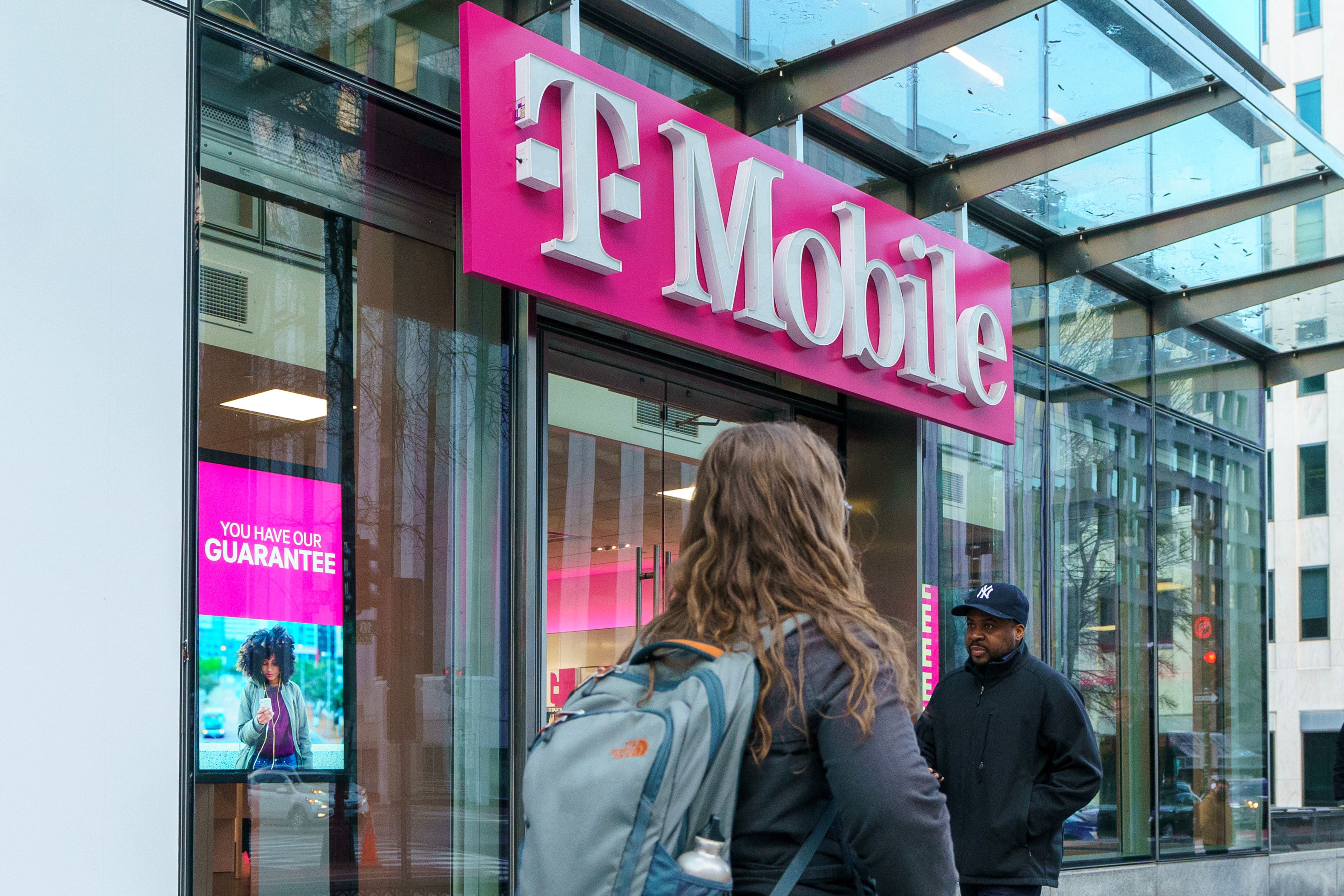
Over the past few years, mobile virtual network operators (MVNOs) have become more visible. These mobile service providers operate on big networks like T-Mobile and Verizon but have a different company name.
Simply by switching from a “brand name” mobile company to an MVNO like Metro by T-Mobile (uses T-Mobile’s network) and Cricket Wireless (uses AT&T’s network), consumers can save a substantial amount of money each month, said Thad Hwang, CEO of Goji Mobile.
“Most never notice a difference in coverage,” Hwang said in an email to The Independent. “The only difference they notice is an extra $70 to $100 each month in savings that can be applied to other expenses like rising costs for gas, groceries and utilities.”
Changing cellphone providers from a big-name company to Optimum, an MVNO, saved Reyna Gobel, founder of nutrition and personal finance site Wallets and Waistlines, $50 a month, she said.
 open image in gallery
“I now pay around $20 monthly with Optimum versus paying $70 before the switch,” she told The Independent in an email.
Little leaks
Summer ushers in last-minute trips to Target to buy sunscreen for a beach trip, spur-of-the-moment ice cream trips and other last-minute outings that can slowly chip away at a monthly budget.
Keeping track of these unplanned expenses can help consumers identify where they’re leaking money, said Dr. Erika Rasure, the chief financial wellness advisor at debt consolidation firm Beyond Finance.
“Summer brings a mindset of celebration and escape, which makes it easier to justify purchases that don’t fit your budget,” Rasure told The Independent in an email. “The dopamine rush you get from travel or experiences fades quickly when the bills arrive.”
This article is sponsored by Credit Karma. We may earn a commission if you engage with their services using links in this article.