


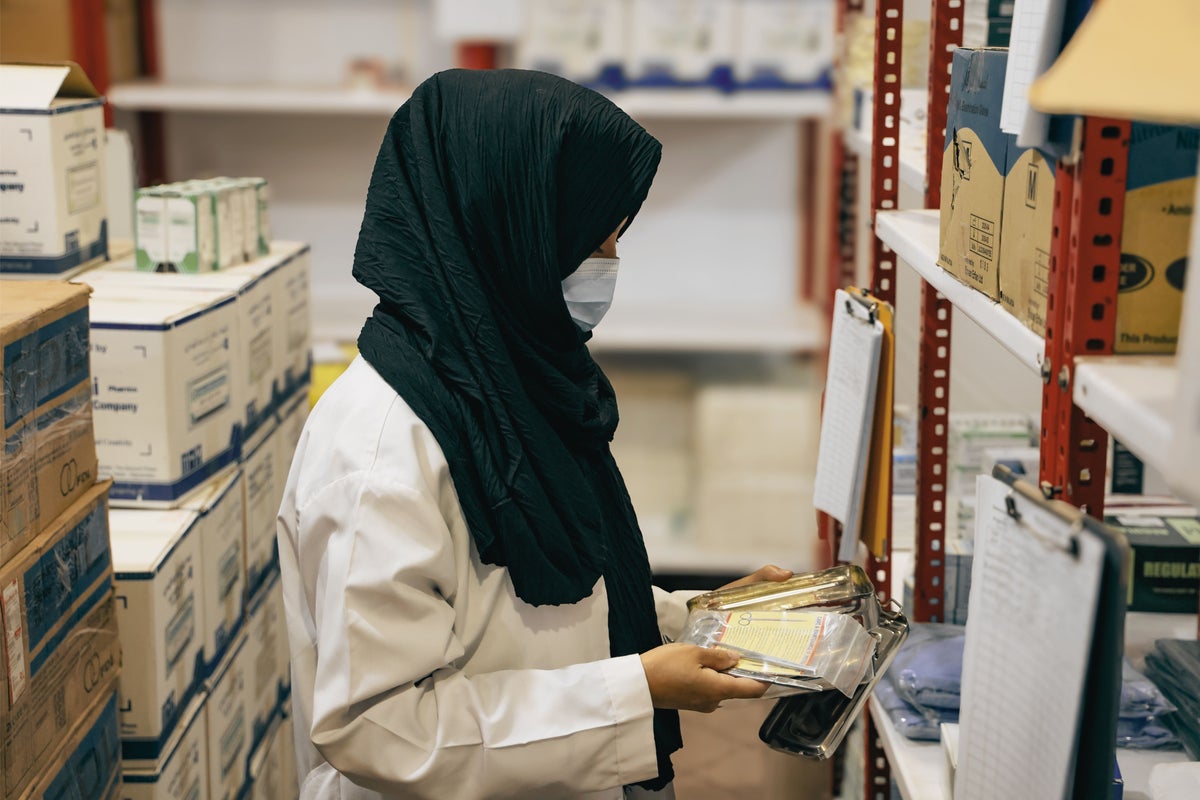
Every night Mariam* keeps her phone on loud, afraid that a woman in labour in a remote Afghan village won’t be able to reach her.
Mariam is one of the last midwife trainers left in Afghanistan, working to ensure women in the impoverished nation have access to safe childbirth. She is part of a dying breed, forced to conduct her work in secret after a Taliban decree in December 2024 ordered that no more women will be allowed to undergo training as midwives or nurses.
Speaking anonymously from her remote clinic for fear of reprisals from the Taliban, the 40-year-old tells The Independent she is still training others despite the ban, a practice that places her at great personal risk and cannot be replicated at the scale needed to prevent a catastrophe for women’s health in Afghanistan.
Five years after the Taliban seized power in Kabul and ousted the previous Nato-backed administration, women in the country have seen their personal freedoms and rights systemically eroded. The right to access healthcare is just one example – women are often not allowed to see male doctors, but no more female doctors are being trained. The inevitable outcome over time is that Afghan women will be forced to forgo medical attention – or seek it in secrecy.
“My students could call me at any hour if a patient slips into dangerous labour,” Mariam explains, describing the covert and unpredictable nature of midwifery in Afghanistan today. Most women and girls are brought to her as a last resort, in extreme pain or while bleeding profusely. “It could be a remote village where we are needed to save lives overnight and I have to leave immediately.
“It could be a woman who managed to get my number in secret and needs help. Mostly the cases are extreme and a matter of life or death because Afghan women are no longer able to look after themselves or seek basic medical advice freely.”
Mariam is part of a UK-funded project called Driving Action for Wellbeing to Avert Mortality (DAWAM), a collaboration with aid organisation World Vision International, helping mothers and children to improve outcomes in pregnancy, childbirth and nutrition.
 open image in gallery
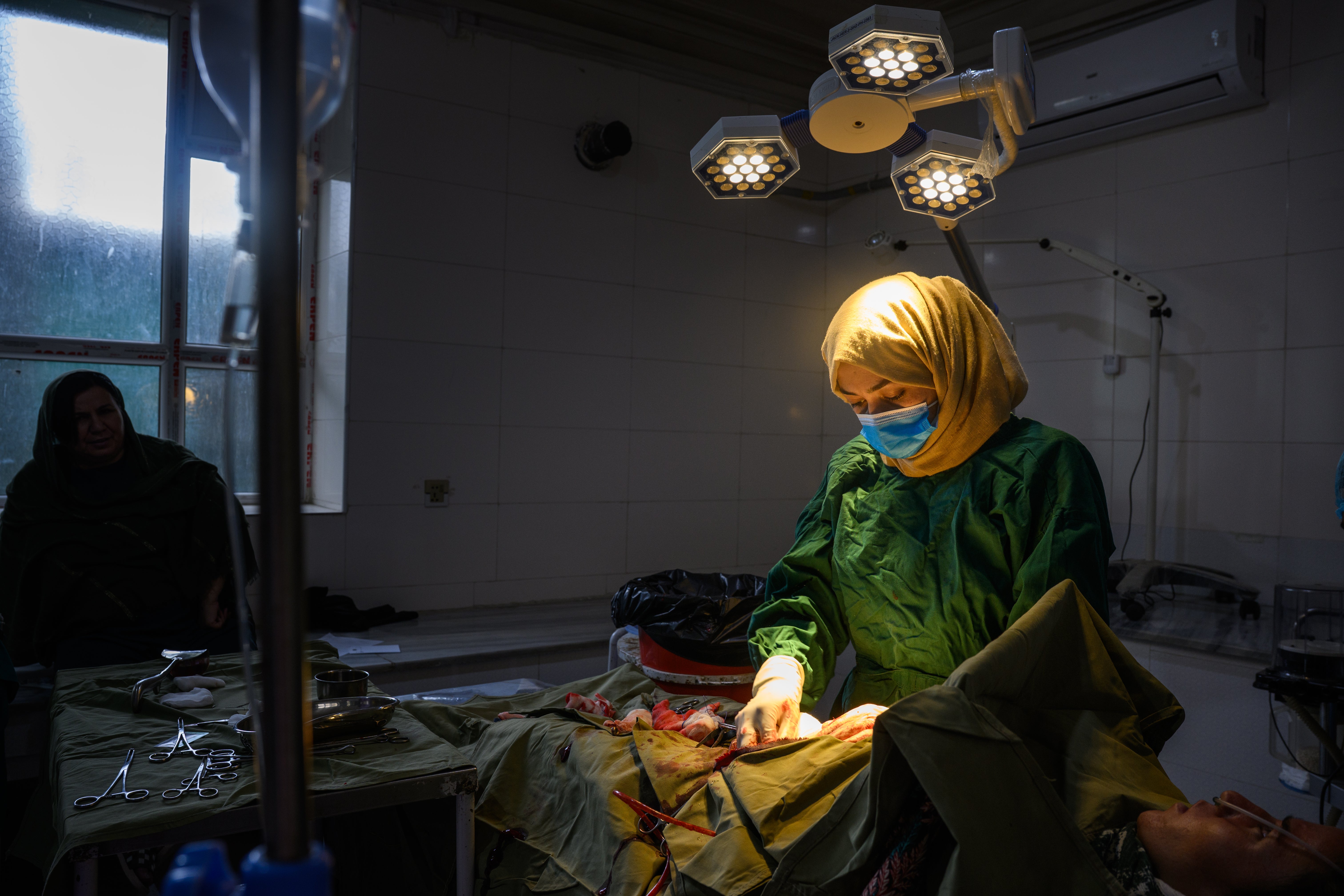
But she is up against many challenges, and the scale of the problem is stark. According to the UN, a woman dies every two hours due to pregnancy-related complications in Afghanistan, with WHO figures putting the country’s maternal mortality rate at 620 women per 100,000 live births. For comparison, the equivalent figure for the UK is just 12.8 per 100,000.
Mariam says many villagers are left to turn to local religious leaders, rather than medical practitioners, in times of crisis. She says traditional Muslim clerics “come [to their] home, recite a prayer over the lady, and the woman’s life then hangs on a prayer and a hope”.
By 2030, the UN expects Afghanistan to have lost another 25,000 female teachers and health workers, with a ban on higher education for women in the country meaning they are not being replaced.
Medical training was one of the last remaining ways in which Afghan girls and women could continue their learning in classrooms. With nursing and midwifery banned by the Taliban, experts say those avenues are only narrowing further.
 open image in gallery
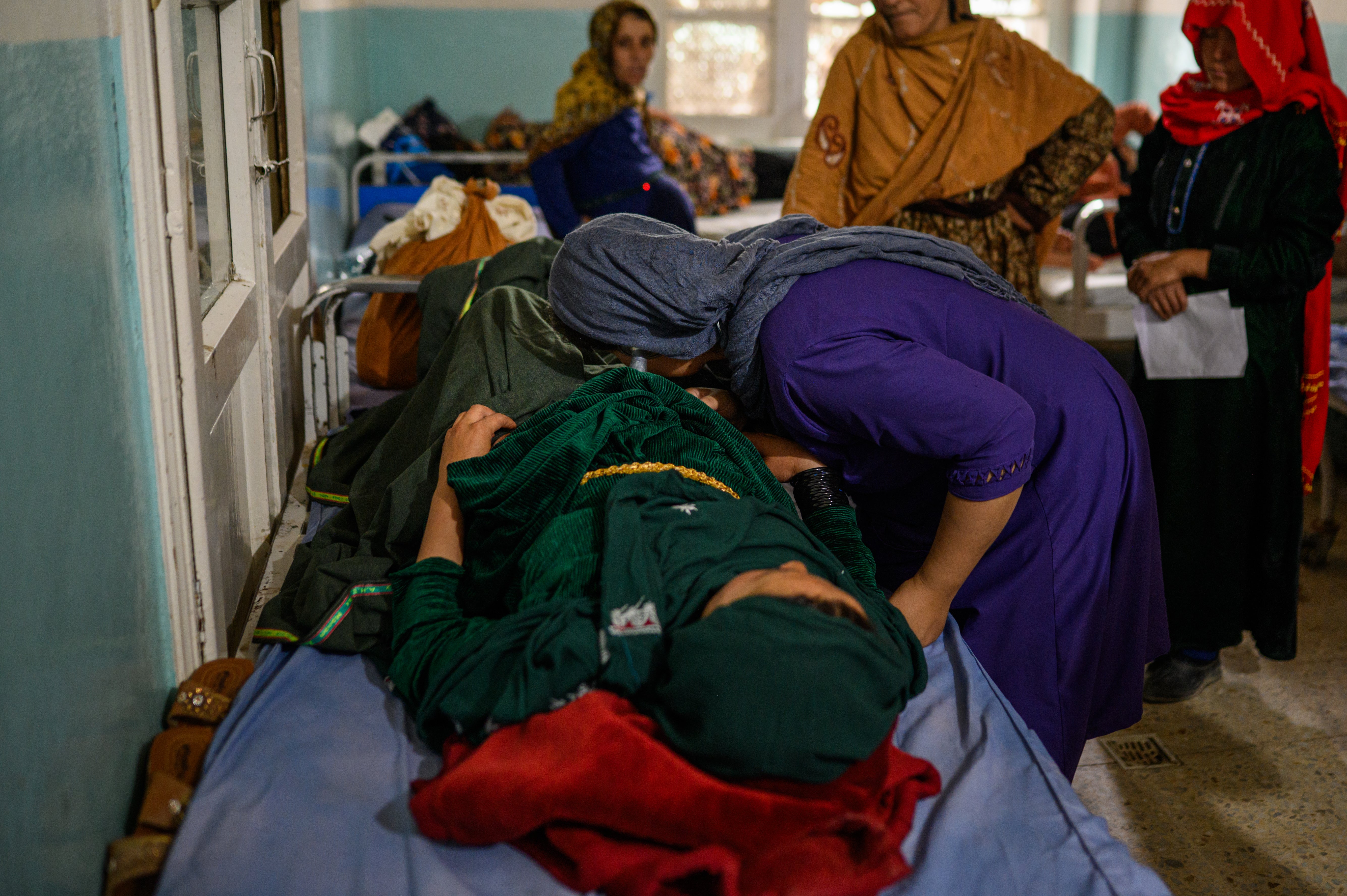
“The future is very dark,” says Mariam, the mother of five who is currently training around 80 students with help from the international community on a dwindling budget of aid.
Afghanistan is now returning to a darker time when there were no trained midwives, she says, referring to the period of the previous Taliban rule in the 1990s.
“There were a lot of deaths, plenty of malpractices that existed in the communities,” the midwife says. “[Now] women are dying before even reaching our clinics. Families – many, many families are destroyed.
Her colleague Dr Farhad* remembers a grim episode from 2004 when a mother and her baby were brought to them on a donkey from a remote village because the child had turned pale within hours of his birth.
 open image in gallery
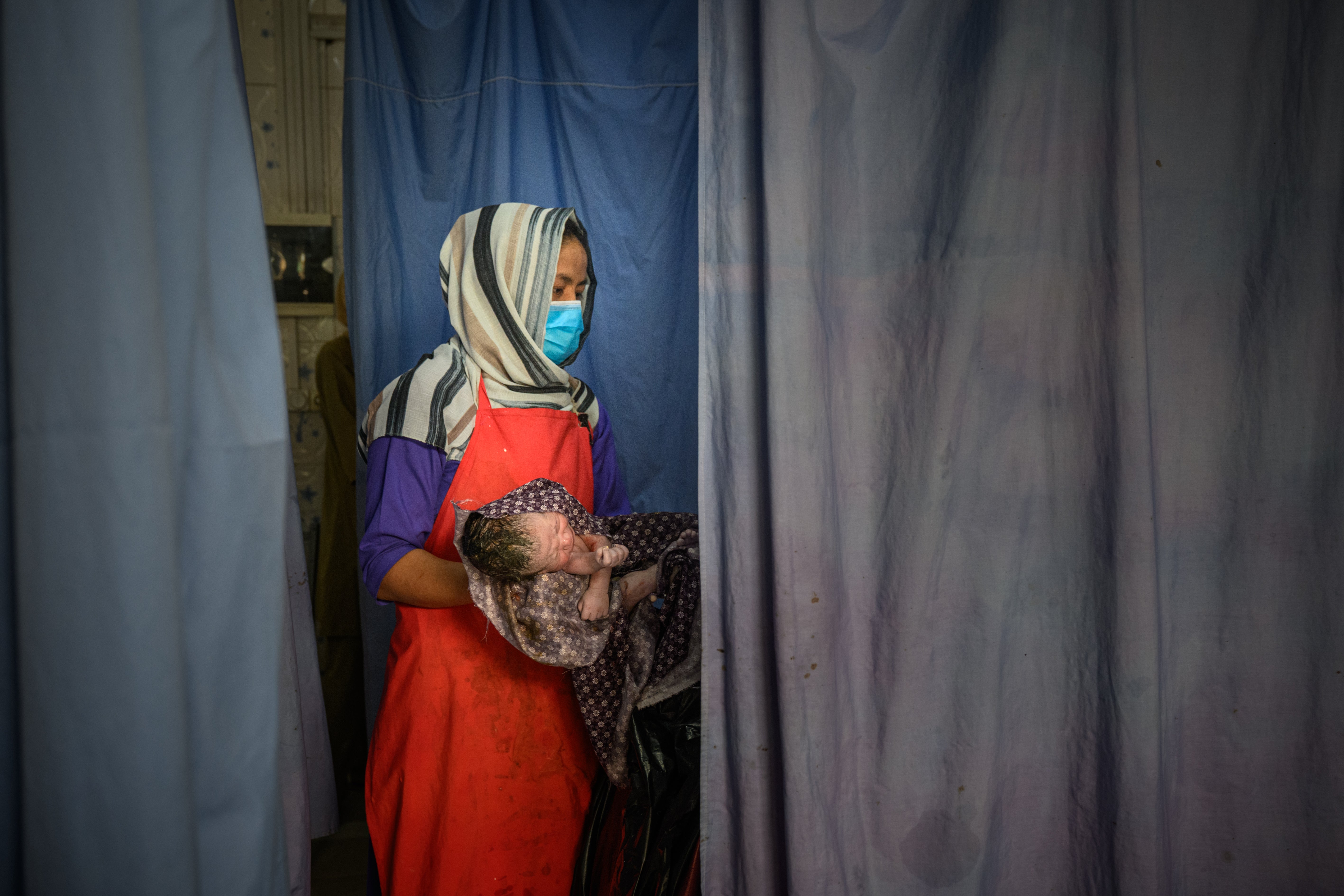
“In 2004, when I was a medical doctor for one of the clinics, we saw a heartbreaking case where the infant, barely two-three days old, had difficulty breathing and the family came rushing to us. The child had started turning blue and pale when we saw him,” she says.
“I saw it with my own eyes. The baby was barely 72 hours old and the mother said he was seriously sick. The mother said he is not even able to breathe. The child was dead,” Dr Farhad says.
“I checked the umbilical cord and it was not properly cut and tied off, causing the child to suffer an infection. So I had to tell the mother, and showed her that her child’s umbilical cord was not handled properly.”
The Lancet, in a study in 2025, warned that the Taliban ban would result in preventable deaths, with women left with no choice but to forgo care.
“By barring women from nursing and midwifery education, the authorities have effectively cut off the pipeline for these key health-care workers. With no women medical professionals, Afghan women face barriers to accessing care, as men cannot legally serve as midwives and cultural norms prevent women from seeking men doctors,” a study published after the ban on midwifery said.
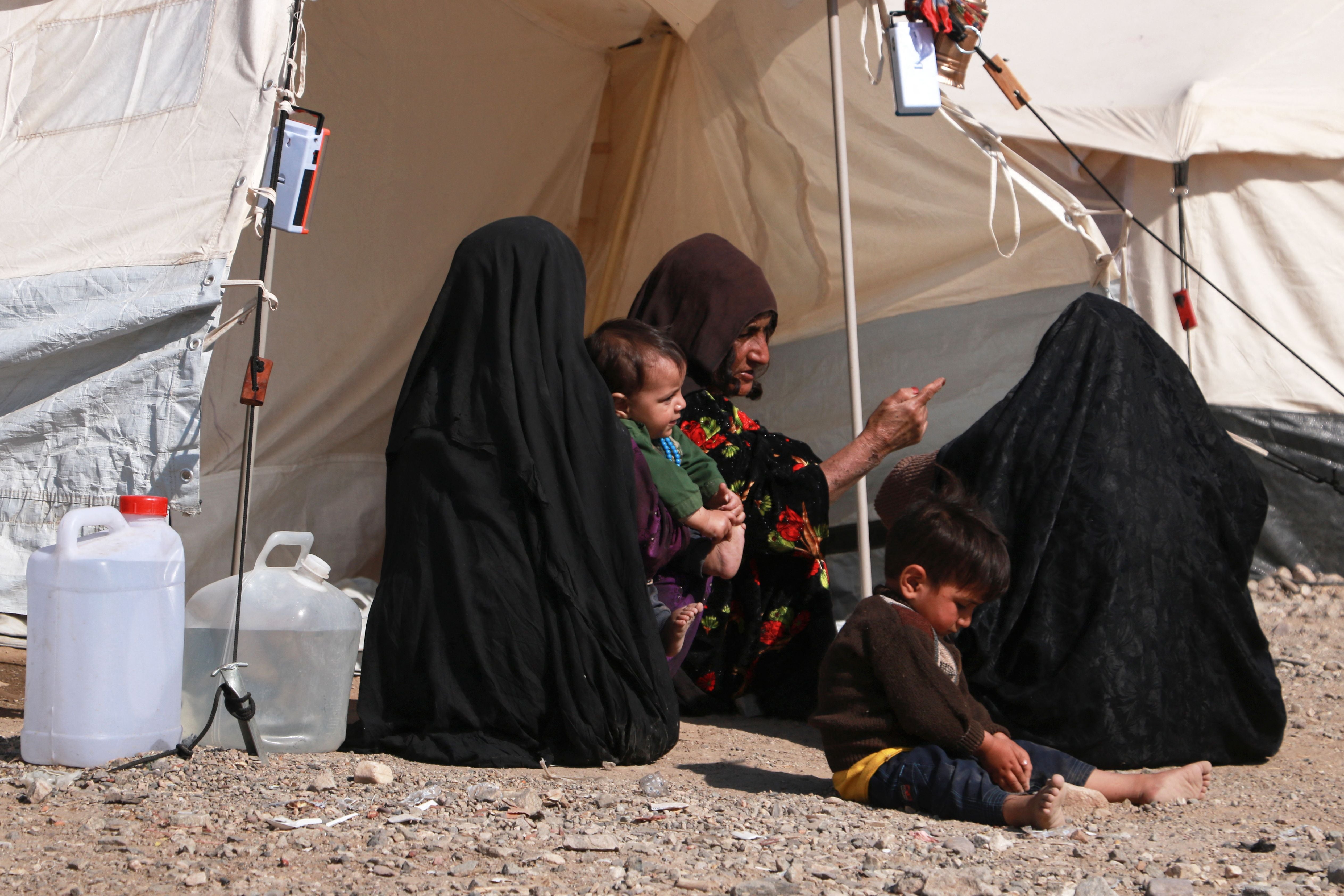 open image in gallery
Mariam says she has constantly faced threats and harassment in the past five years, and has been twice detained by the Taliban’s morality ministry, officially titled the ministry for the Propagation of Virtue and Prevention of Vice (PVPV).
“It makes me really angry, sad, frustrated and tired. The restrictions drastically impact our productivity because every day I step out, I am scared. It feels like someone is chasing us all the time.”
But her bigger worry is midwifery ending with her generation of doctors and nurses.
“I am getting older. There is not a new generation ready to take the baton from us and there is no functional system to ensure that Afghan women will continue to have access to healthcare services in remote areas. I am worried sick about this,” she says.
Mark Calder, the director of advocacy at World Vision international, says the charity is “constantly” raising its concerns over the skills pipeline for female medical practitioners with the Taliban, warning that its ban is only set to worsen an already “dire situation” for women’s health.
“We are under no illusions that on our own or even as a [charity] sector, we cannot fill the vacuum of such policies – but we can make that vacuum smaller,” he says.
*Names have been changed on the request of interviewees to protect their identity.