


AdvertisementBanking & financeEconomyGlobal Economy
Why the historic US-Japan intervention has failed to lift pressure on the yen
4-MIN READ4-MIN Listen
Xinyi Wuin BeijingandZhang Shidongin ShanghaiPublished: 9:01pm, 19 Aug 2026Updated: 9:05pm, 19 Aug 2026
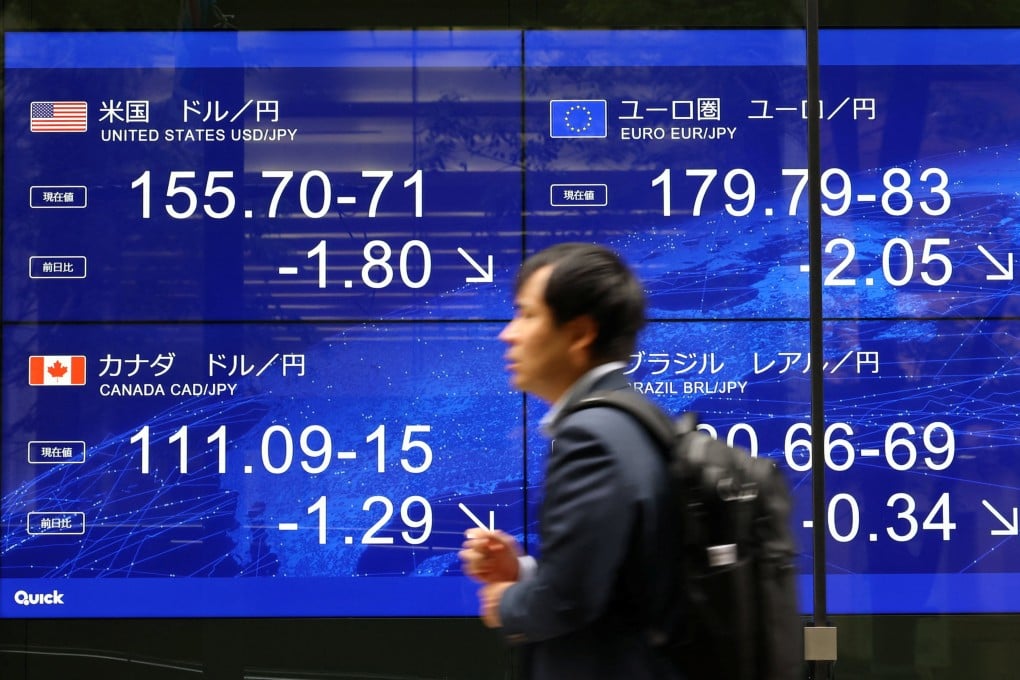
With a rare joint US-Japan market intervention weeks ago failing to rectify the weakness of the Japanese currency, Tokyo and Washington could be forced to launch another round of boosting efforts, with a deepening US Treasury rout expected to fuel the global yen carry trade, according to analysts.
The yen has been on a sustained decline, falling to a 40-year low to trade above 163 per US dollar in late July. Though the US-Japan intervention briefly halted its slide, the currency has already reversed half those gains and is once again approaching the 160 per US dollar threshold.Meanwhile, US Treasury yields have risen to multi-year highs, pushing up US borrowing costs and making a persistent US-Japan interest rate gap more likely.
“Intervention can alter positioning and disrupt momentum, but it has not changed the fundamental interest-rate differential that continues to favour the dollar,” said Gary Dugan, CEO of The Global CIO Office, which advises family offices and high-net-worth investors.
“That the yen has drifted [lower] despite a more hawkish Bank of Japan and direct intervention suggests investors still see US yields as the dominant variable.”
The 30-year US Treasury yield closed at 5.285 per cent on Tuesday, retreating slightly from a fresh 19-year-high earlier in the day. Meanwhile, the rate for 30-year Japanese government bonds closed at 4.141 per cent.
AdvertisementSelect VoiceSelect Speed00:0000:001.00x