



One person has died and hundreds have fallen ill with salmonella food poisoning.
The UK Health Security Agency (UKHSA) has launched an investigation into the cause of more than 200 cases of salmonella in the past year as cases spike in recent weeks.
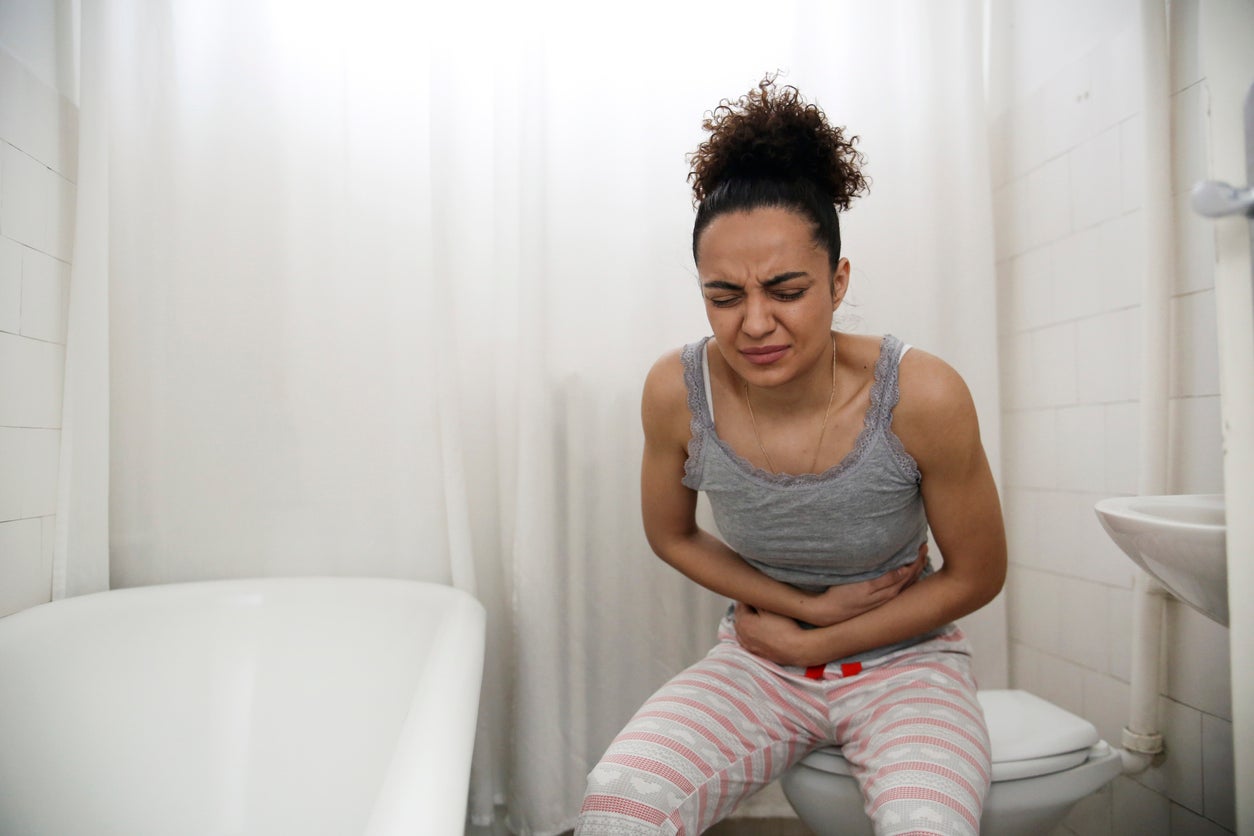
While salmonella usually causes diarrhoea and stomach cramps, more than a third of the cases in this current outbreak have needed hospital care.
Salmonella can happen at any time from eating or handling contaminated food, but this outbreak has been linked to a specific strain.
How many cases have been recorded?
Between 11 August last year and 1 August this year, 207 cases were identified: 199 in England, six in Scotland, one in Wales, and one in Northern Ireland. London registered the highest total among English regions with 47 confirmed cases, while Yorkshire and the Humber recorded 38.
People affected include babies and people as old as 90, according to the UKHSA.
What is causing the salmonella outbreak?
The latest wave of salmonella infections are thought to be linked to eggs imported from outside of the UK.
Hannah Charles, lead epidemiologist for gastrointestinal infections at UKHSA, said: “We’re working with Food Standards Agency and other public health agencies to investigate a salmonella outbreak that may be linked to eggs imported from outside of the UK.
“Salmonellosis is often caused by eating or handling contaminated food and can be spread rarely from person-to-person.
“Salmonella generally causes a mild illness, although vulnerable groups with weakened immune systems may experience more severe illness.”
What is Salmonella and what are the symptoms?
Salmonella is a type of bacteria which is commonly spread by eating food contaminated with it.
Symptoms include being sick, diarrhoea, tummy pain, high temperature and feeling unwell and can usually start within a few hours or a few days of eating food that caused the infection.
Most people with a salmonella infection do not need hospital treatment and can recover at home within four to seven days by drinking plenty of fluids to prevent dehydration.
However, in this outbreak 38 per cent of people infected required hospital admission, and two individuals suffered potentially life-threatening infections in their bloodstream.
“Symptoms of a salmonella infection include diarrhoea, stomach cramps and sometimes vomiting and fever. Anyone who is concerned about symptoms should contact their GP or out of hours service in the first instance,” Dr Charles said.
“There are simple steps to prevent the spread of salmonella: wash your hands thoroughly after using the bathroom and before preparing and handling food, cook food thoroughly, and if you have any symptoms, avoid handling food for others where possible,” she added.