


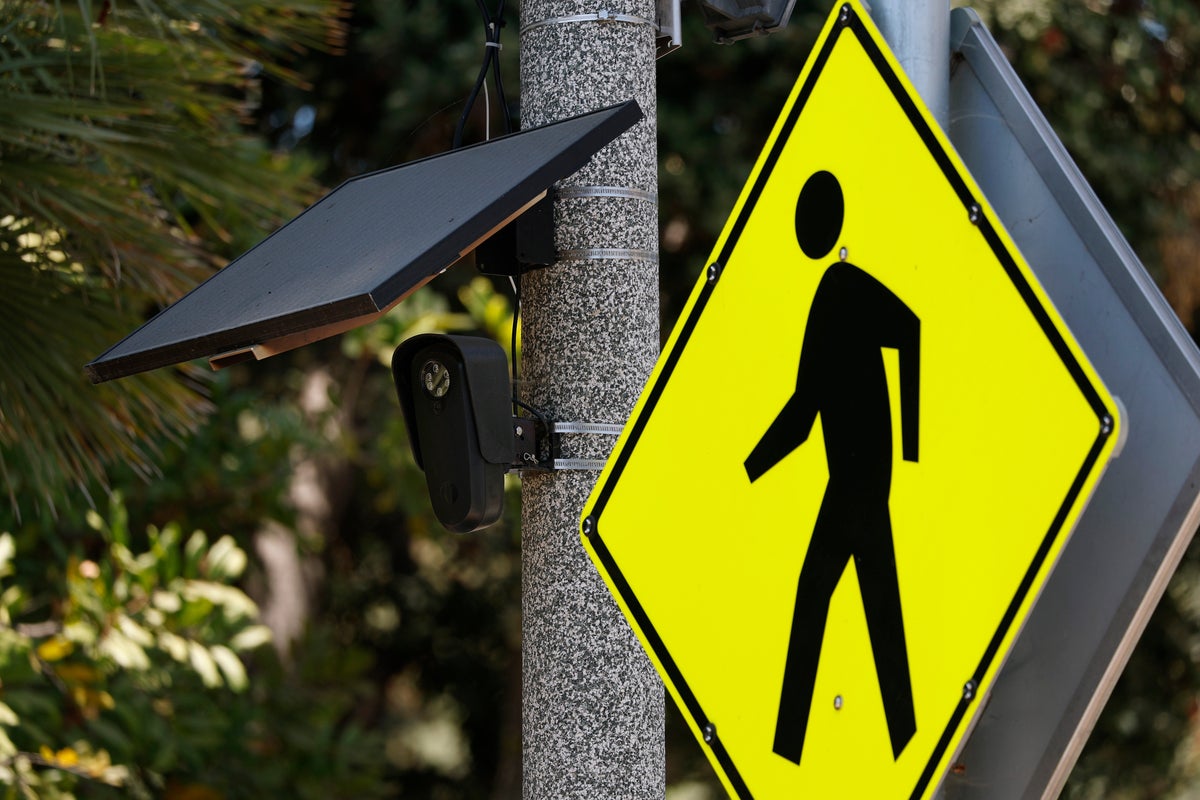
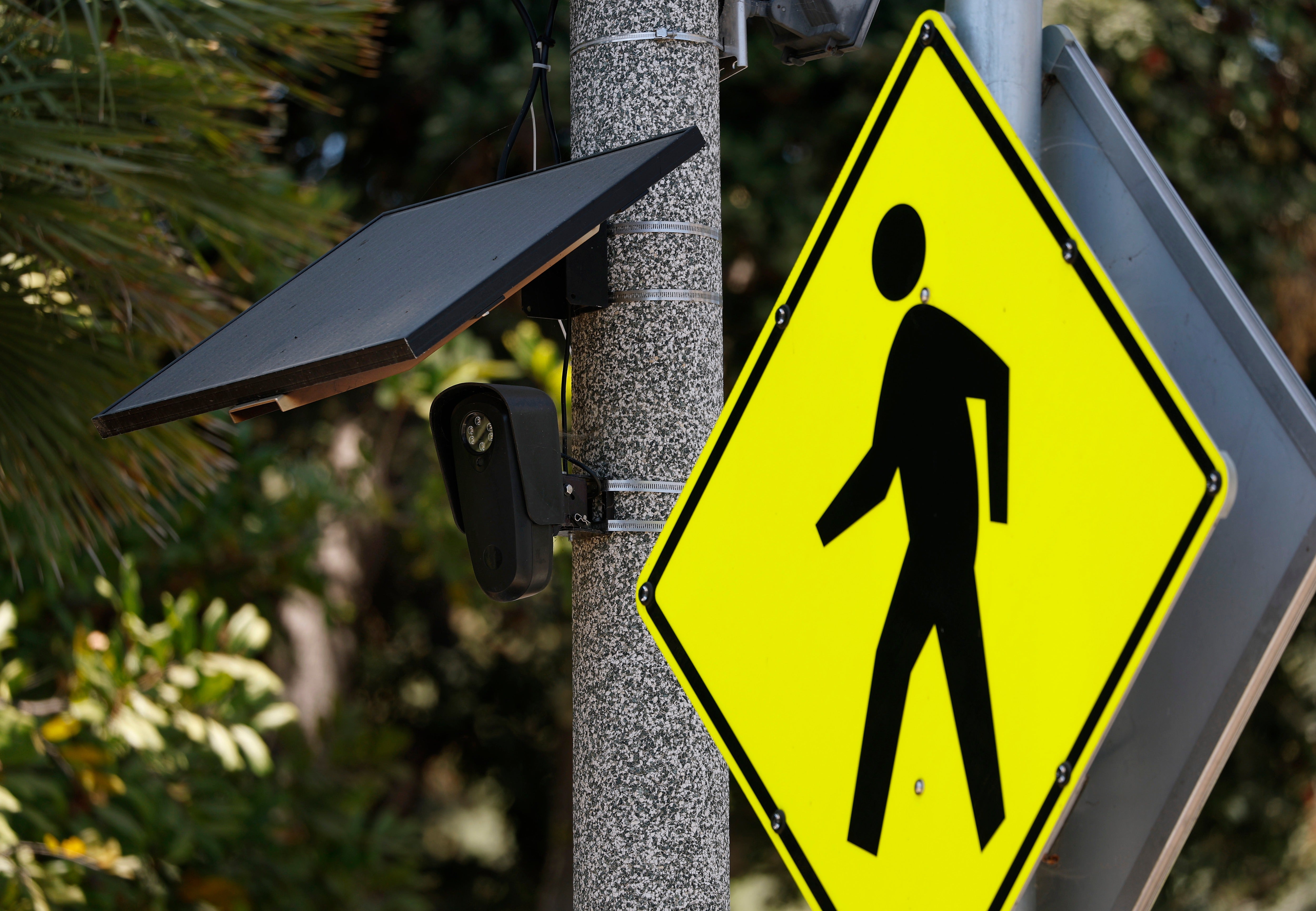
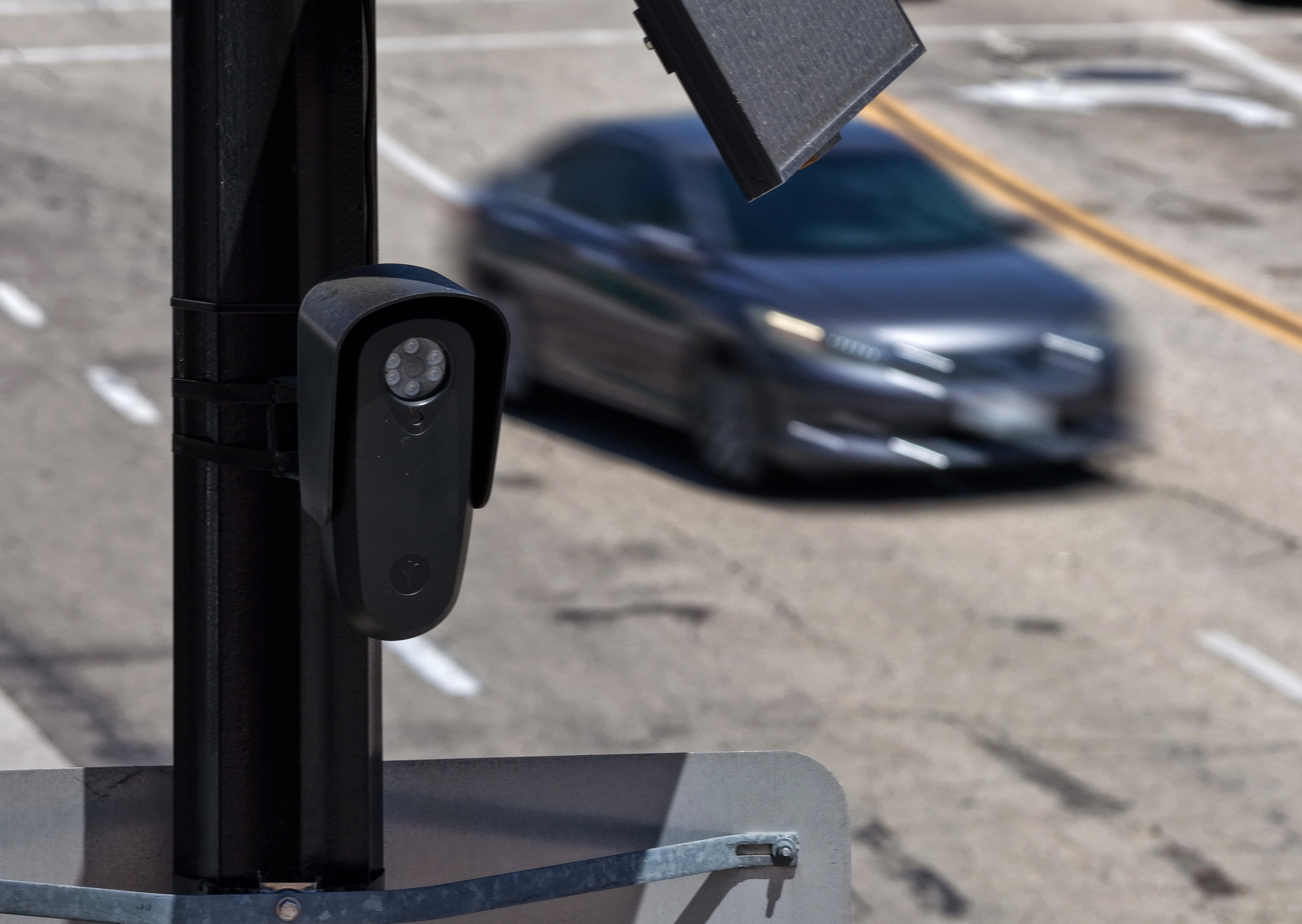
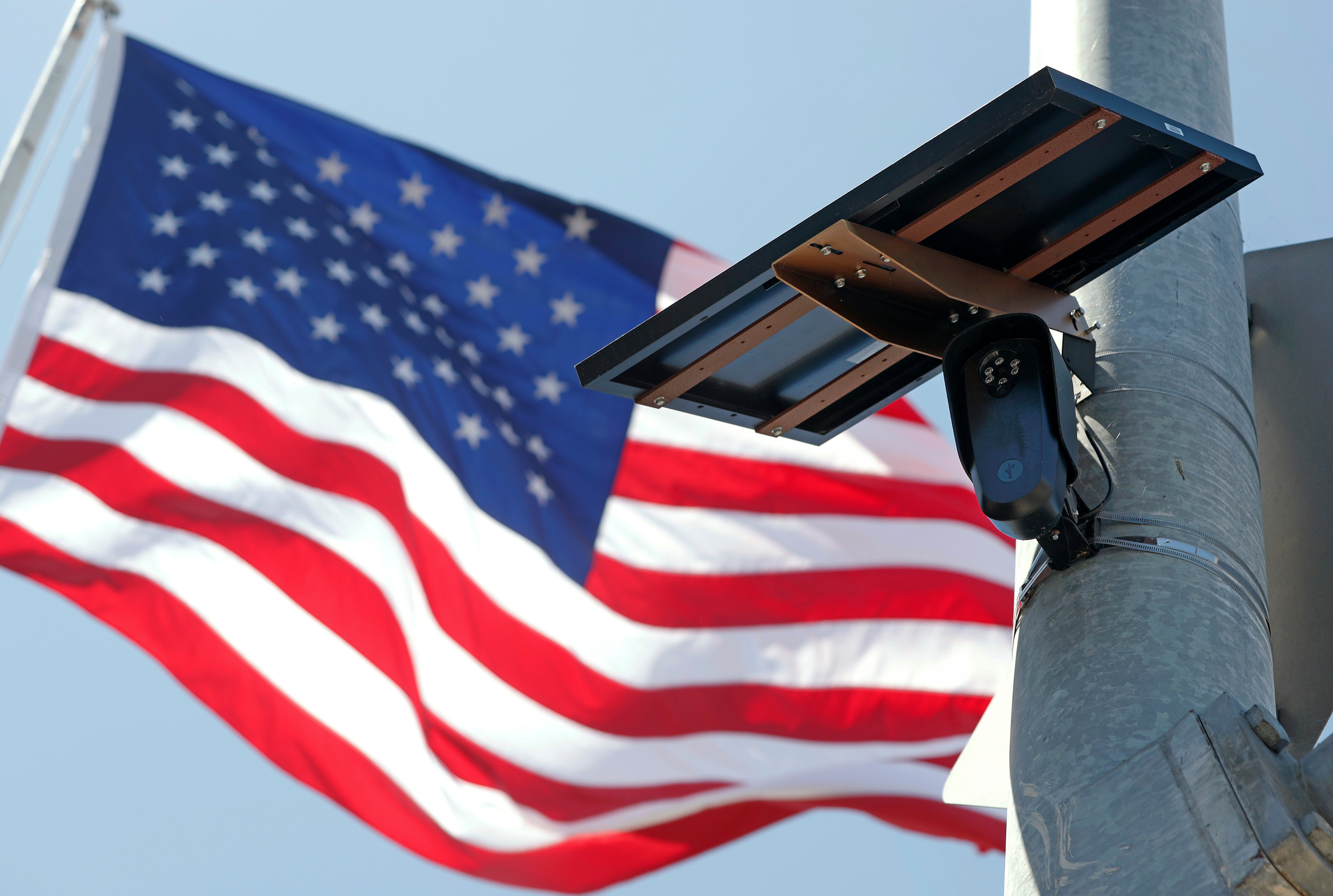
Flock cameras have been shut down by officials in several states this month following privacy concerns about the automated license-plate reading technology.
Flock, an Atlanta-based tech company, has been the center of controversy over its cameras that had been praised for helping police find missing people and suspected criminals. But now, those being surveilled are worried about their right to privacy because of the reported misuse of the technology.
Early this month, The Washington Post reported that at least 50 law enforcement officers were charged with or accused of misusing Flock cameras and other surveillance systems, including to stalk women.
In August alone, local officials in four states decided to pull the plug on Flock cameras in their cities, at least temporarily.
The Independent has reached out to Flock for comment, but its media team said it was currently “taking a break” from responding to requests.
 open image in gallery
Rhode Island
The town council in Narragansett, Rhode Island, voted unanimously to cancel its contract with Flock on August 3, according to local outlet WPRI, which reported on the community’s reaction to the cameras.
“Do we really want to be a town that always wants to be under surveillance for every single thing?” one resident asked.
Narragansett Police Chief Kyle Rekas defended Flock as a “valuable tool.”
Nebraska
The city council in Ord, Nebraska, also voted to remove Flock cameras on August 3.
“We agree that while FLOCK is a highly effective investigative asset for law enforcement, the technology introduces complex privacy concerns that warrant a national-level conversation,” the Ord Police Department wrote on Facebook following the decision.
“The Ord Police Department will continue to aggressively investigate crime and protect our neighborhoods using strategies that uphold community consensus and trust.”
 open image in gallery
Texas
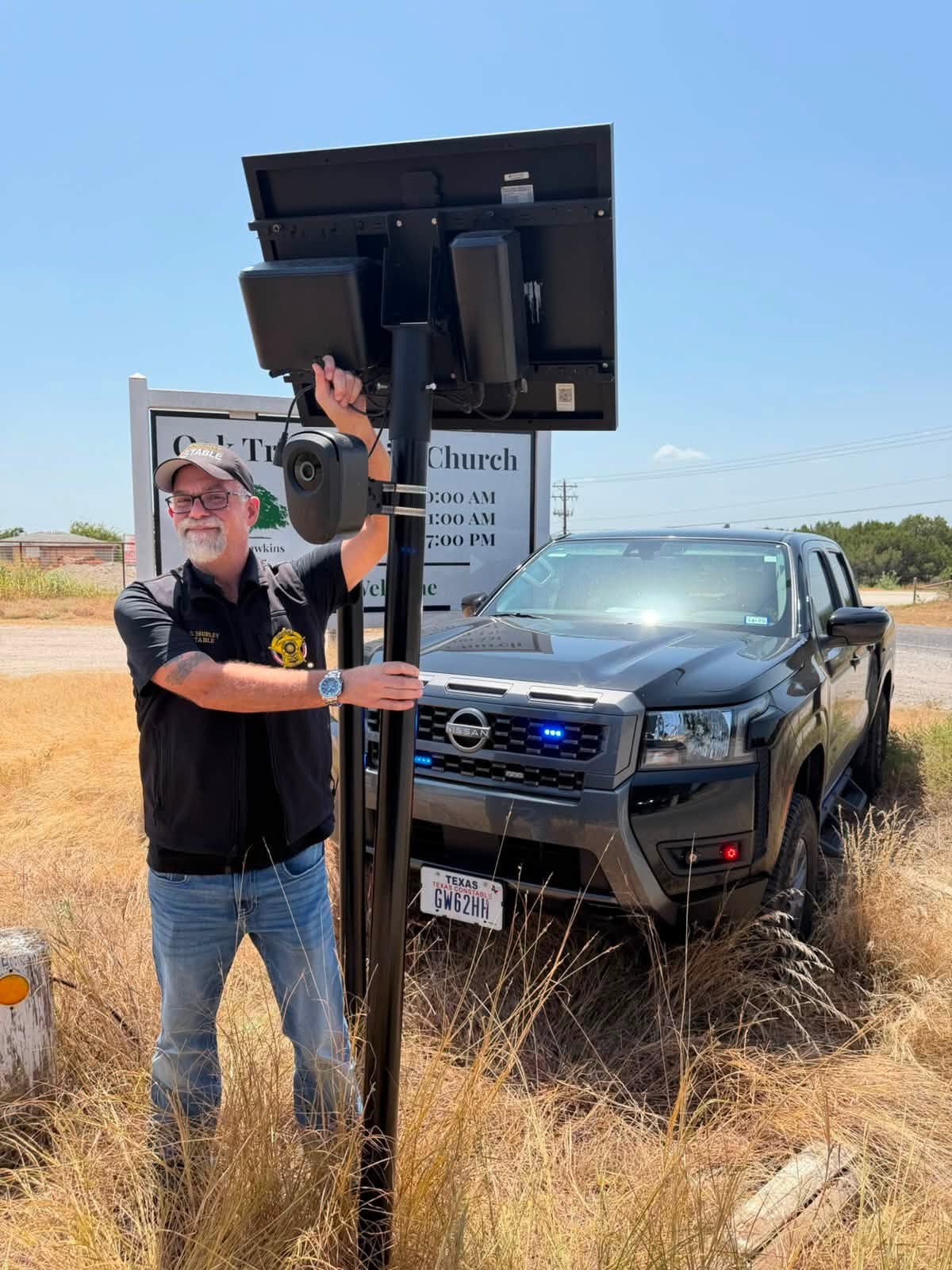
An official of Hood County in Northern Texas celebrated the removal of Flock cameras in his community in a Facebook post over the weekend.
“I’ve finished the job of shutting down the county’s Flock cameras. They’ve been completely unplugged and covered,” Hood County Constable John D. Shirley wrote in the post.
“These cameras were constantly scanning and recording regular folks just going about their day. That kind of permanent, warrantless tracking doesn’t belong in a free society. By unplugging and covering them, we’re making it clear: privacy isn’t optional, and mass surveillance isn’t how we do things here,” he wrote.
 open image in gallery
The Burnet County Sheriff’s Office also announced on August 3 that all Flock cameras in the community have been removed.
“Several cameras have been vandalized, citizens have been indicating concerns regarding these cameras and their use,” the sheriff’s office told local outlet KXAN.
“Sheriff Boyd thought this was the best opportunity to remove these cameras taking into consideration, all the public concerns. Sheriff Boyd will evaluate any future use of these types of investigative tools.”
Florida
Officials in Palm Bay, Florida, announced on August 7 that the city council ordered an investigation into the installation of Flock cameras following concerns about their placement and construction.
City Manager Matthew Morton determined that the cameras may not have been properly permitted or installed by Flock, so he and Palm Bay Police Chief Jeff Spears agreed to the immediate suspension of the surveillance system while the probe is carried out.
“This City Council is committed to trust, transparency and accountability, and they have consistently demonstrated that,” Morton said in a press release. “When questions are raised about a system that affects public safety and public confidence, we have an obligation to stop, examine the facts and make sure everything has been done properly.”
 open image in gallery
DeFlock, an anti-surveillance crowdsourcing app, has listed about 100 cities across the U.S. that have either deactivated automated license-plate readers, banned them, or rejected or canceled contracts for the surveillance system since August 2021.
This summer alone, 18 cities canceled contracts, including Los Angeles; six cities rejected contracts and five cities deactivated the cameras, including Syracuse, New York.
But this is just a small amount compared to the nearly 132,000 license-plate readers DeFlock has tracked in the U.S.
Amid backlash, Flock announced several updates to safeguard privacy, including changing the default automated license-plate reader data retention period from 30 days to seven days.
Flock is now also requiring all law enforcement customers to adopt its Audit Assistance by the end of the year. This feature detects and flags abnormal activity, which, the company said, has led to the arrest of several officers in recent weeks who allegedly abused the system.
Cities will now also be able to choose which type of offenses other agencies are allowed to access their cameras for.
“Today, Flock technology assists your officers in more than one million crimes solved annually,” the company said in an August 13 blog post. “We are not perfect, so we will keep listening, improving, and building a better standard for public safety technology together.”