


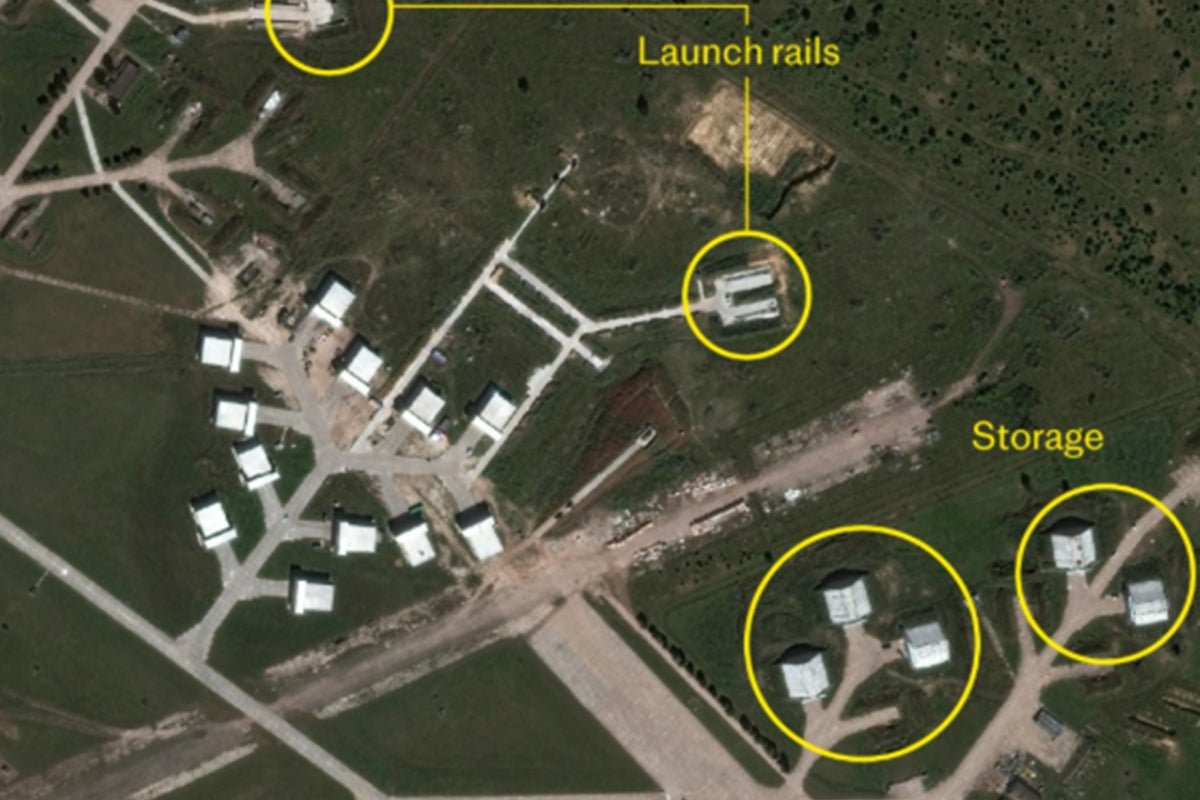
Russia has built secret bases from which it will be able to launch long-range suicide drones deep into Nato territory, according to a report.
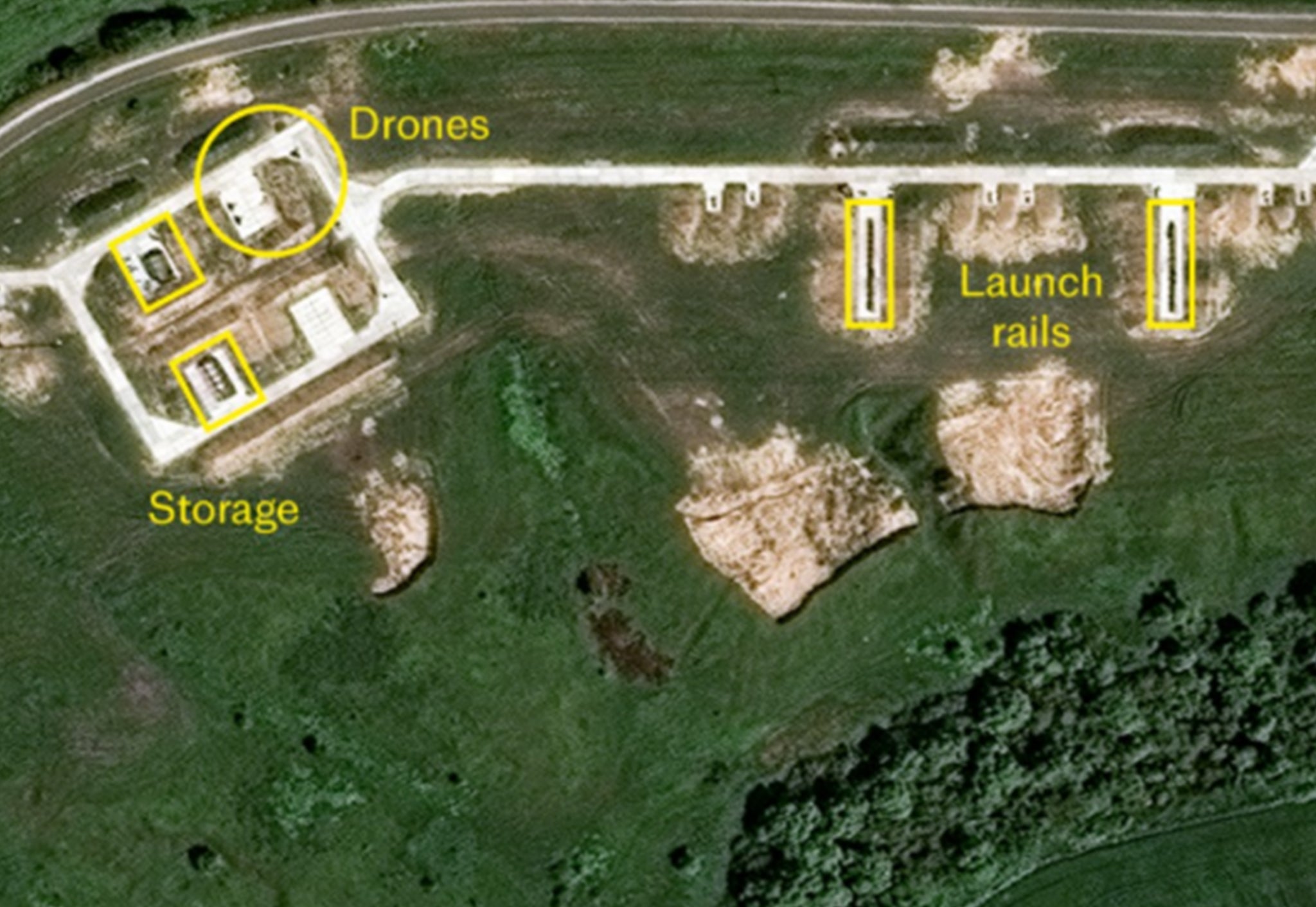
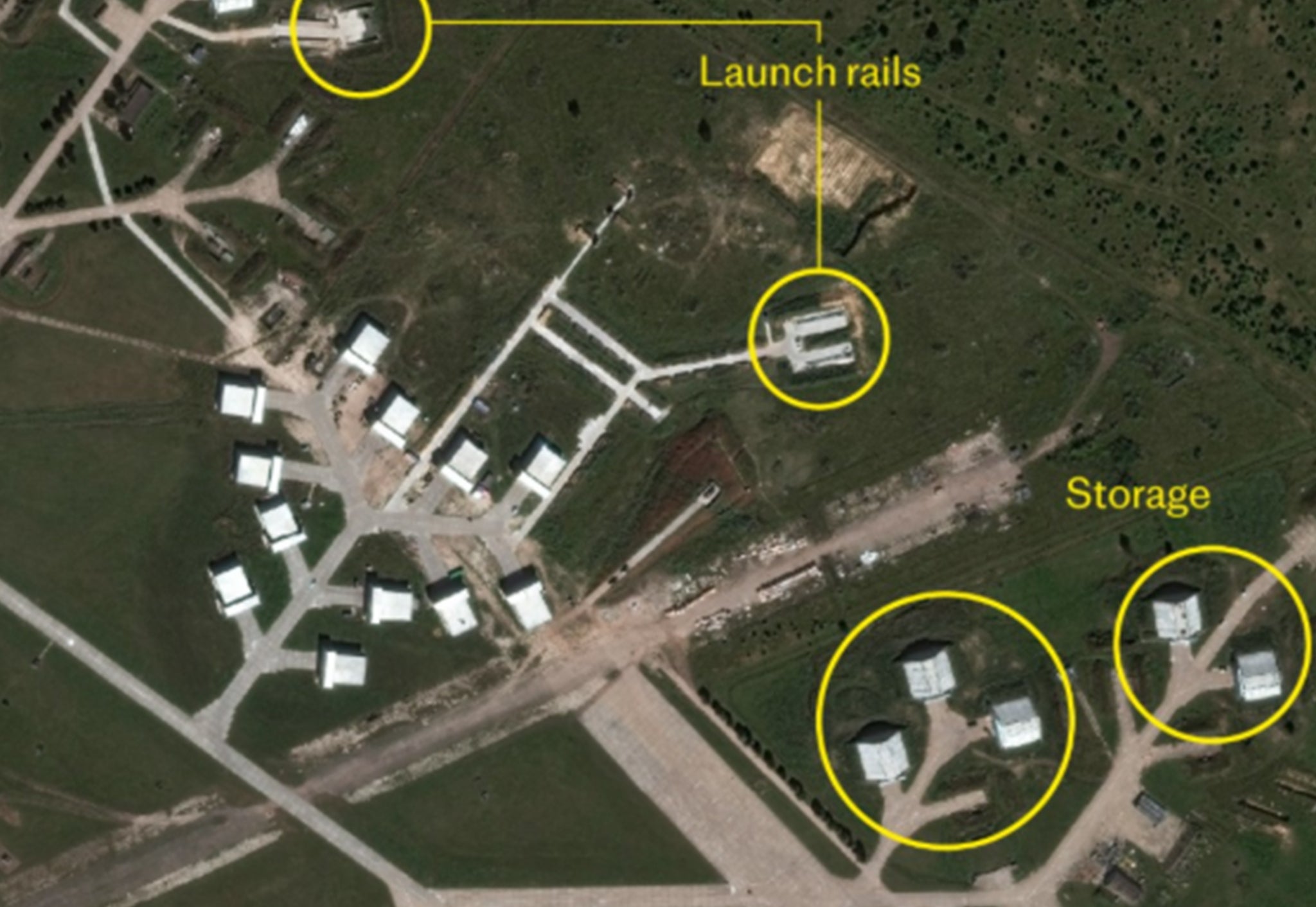
The Kremlin has built and expanded at least 10 new bases with at least 59 new launch rails, according to an investigation by The Telegraph using satellite imagery and leaked documents.
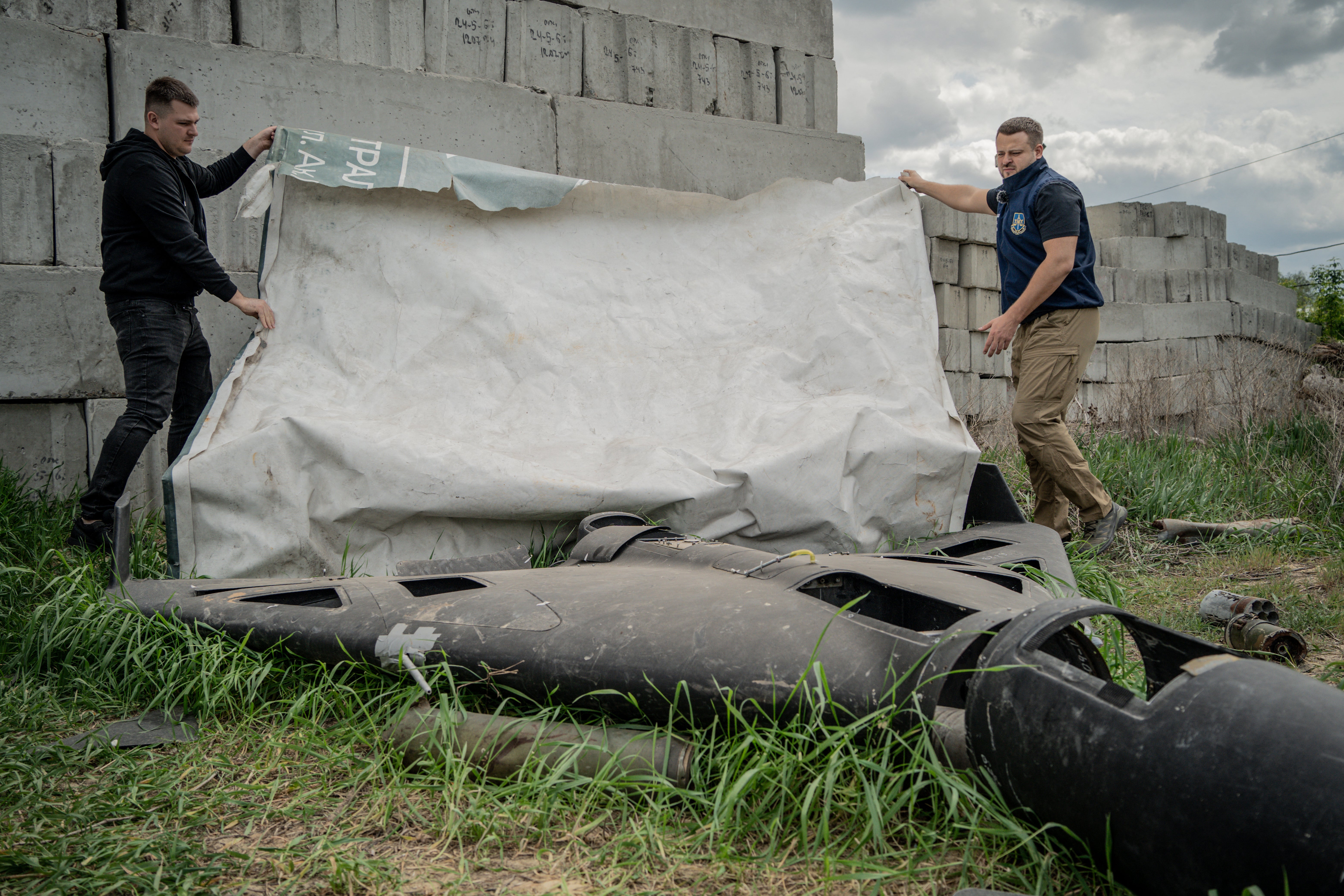
The bases are designed to fire large numbers of jet-powered drones that can overload Ukrainian air defences as Moscow bombards military and civilian targets across the country.
But situated along its borders with Ukraine and Belarus, the hi-tech drones will also be able to reach Kyiv’s allies in Nato, the report said.
 open image in gallery
Around 20 of the new launch rails, the guide tracks that are used to fire drones, have been extended in design to allow Russian forces to fire long-range attack drones, according to images analysed by drone intelligence firm DroneSec.
Europe and Nato have been raising the alarm over growing Russian provocations over the last year, amid concern Moscow could launch an attack to probe the alliance’s borders.
A Nato spokesperson told The Independent that it “closely monitors Russian military activity, including its long-range strike and drone capabilities” and that it has the “plans, tools, authorities and forces necessary to deter aggression and defend against any threat”.
US intelligence assessments suggested Vladimir Putin could order a limited attack on an allied country within the coming years, with possibilities ranging from a cyberattack to a small-scale incursion to test how far Moscow can go without triggering a response, officials told multiple US outlets.
 open image in gallery
Drone and plane incursions into Nato territory have become the norm, forcing the alliance to regularly scramble jets to deal with potential threats. On Sunday, Nato jets shot down a drone in Romania’s airspace that it said “appears to be Russian”. Two days earlier, four NATO fighter jets were scrambled to shoot down a drone in Latvian airspace.
Latvian authorities said that a “foreign unmanned aerial vehicle” had “flown into Latvia as a result of Russian electromagnetic warfare”.
The latest revelations in The Telegraph will only add to concerns the Kremlin is planning to test Nato defences.
Moscow is storing increasing numbers of hi-tech drones at the bases, with one having enough space for 1,000 drones, imagery reportedly showed. More launch rails are also being constructed.
DroneSec CEO Mike Monnik told the outlet that Russian forces “significantly expanded” their drone network to drive up the threat against Nato.
 open image in gallery
The Nato spokesperson said the alliance is investing nearly $40 billion into counter-drone capabilities over the next five years, with allies set to train “five times as many drone operators in their Armed Forces by the end of 2027”.
They aded: “We will continue to strengthen our resilience and enhance the tools at our disposal, ensuring that the Alliance remains ready to deter and defend every Ally.”
Nato first shot down a Russian drone over a member state last September, when Poland said its territory had been breached 19 times in a single night, and leading prime minister Donald Tusk to invoke Article 4, which triggering discussions on how Nato will respond as an international body.
Several of Russia’s new drone hubs were formerly military bases and civilian airports, an indication of the ever-increasing importance of drone warfare both for Russia’s four-and-a-half-year invasion and Ukraine’s robust defence.
Kyiv’s reportedly increasing use of foreign-made drones to strike increasingly deep inside Russian territory could serve for Moscow as a pretext for provocation in Nato.
The Times reported on Sunday that Ukrainian forces have used British drones made by two companies to attack deep inside Russia’s mainland for the first time, striking targets such as oil refineries over the past six months.
Putin has previously made clear that Russia would treat this as the direct participation of Nato in the war in Ukraine.