


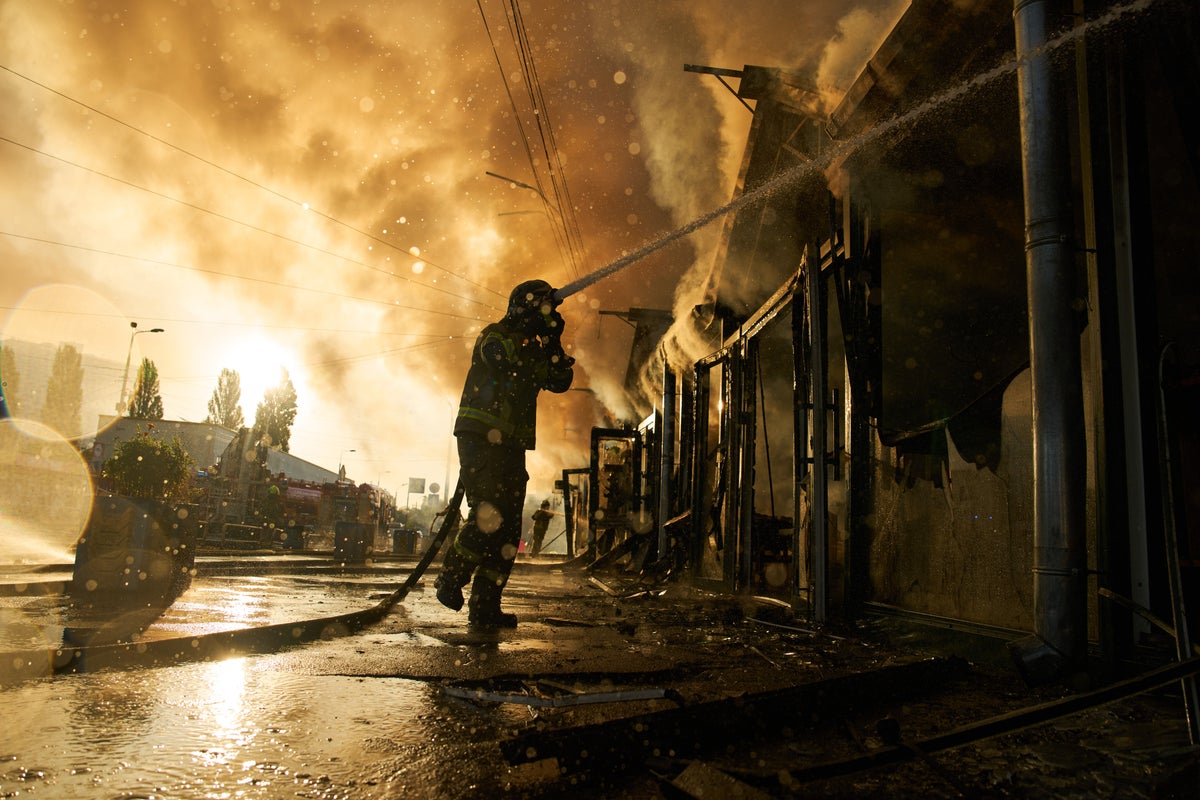
Russian missile attacks on Ukrainian civilians are nothing new. But they are getting more sophisticated and threaten to tip the war in Russia’s favour for almost the first time. The aim is to break, at long last, the remarkable resilience and spirit of the Ukrainian people. The Kremlin hopes that, if it succeeds in that, then not only will Russia have secured an imperial expansion; but the West will have lost a strategic ally which is even more valuable than it was when the conflict began.
Tens of thousands of Russian ballistic missiles have been lobbed at apartment blocks and other targets in Ukraine more or less indiscriminately for six years. These are mighty weapons, intended to fight Nato’s armies in a third world war, not to pummel undefended Ukrainian towns. They, and the newer Russian-Iranian drones, have accounted for the great majority of the 16,874 Ukrainian civilians killed (according to the United Nations’ figures) since President Putin’s “special military operation” began in February 2022. That death toll includes 820 children, with 51,173 injured, of which 3,126 are children. The kidnapping and torture of captured Ukrainians adds to the litany of Russian war crimes.
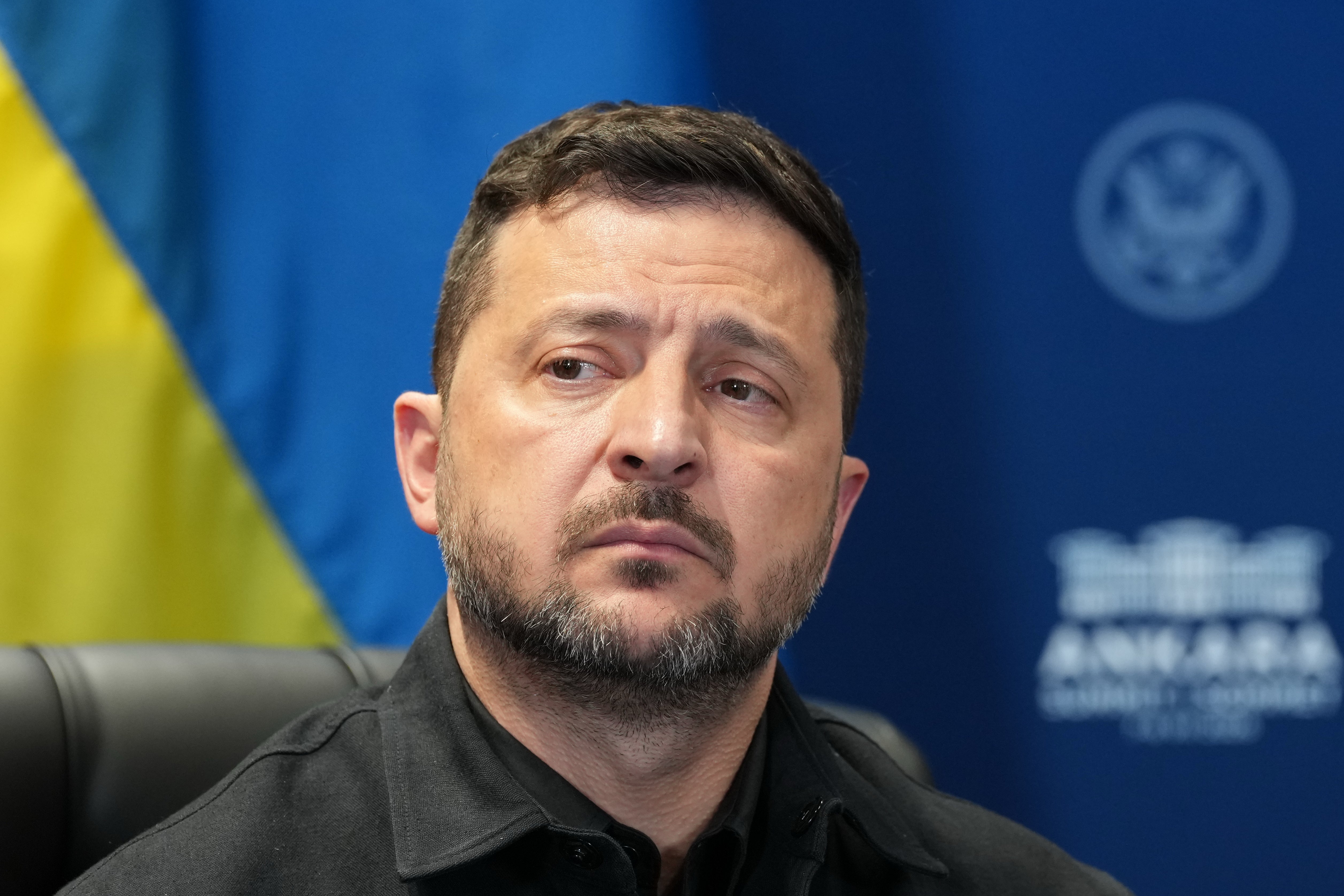
Unfortunately, the latest attacks on Kyiv confirm that this terrorism against the Ukrainian people is only intensifying. At least five people have been killed and more than 10 injured in Ukraine in the latest wave of Russian strikes. President Volodymyr Zelensky says that 13 Ukrainian regions came under attack this week, with Russia launching more than 1,550 attack drones, nearly 1,560 guided aerial bombs and 62 missiles.
The Russians, who’ve displayed sometimes breathtaking military incompetence, have improved their aerial tactics. They now use swarms of drones to exhaust Ukrainian defence systems before unleashing the missiles. The result is that relatively few missiles get shot down, and the civilian carnage goes on.
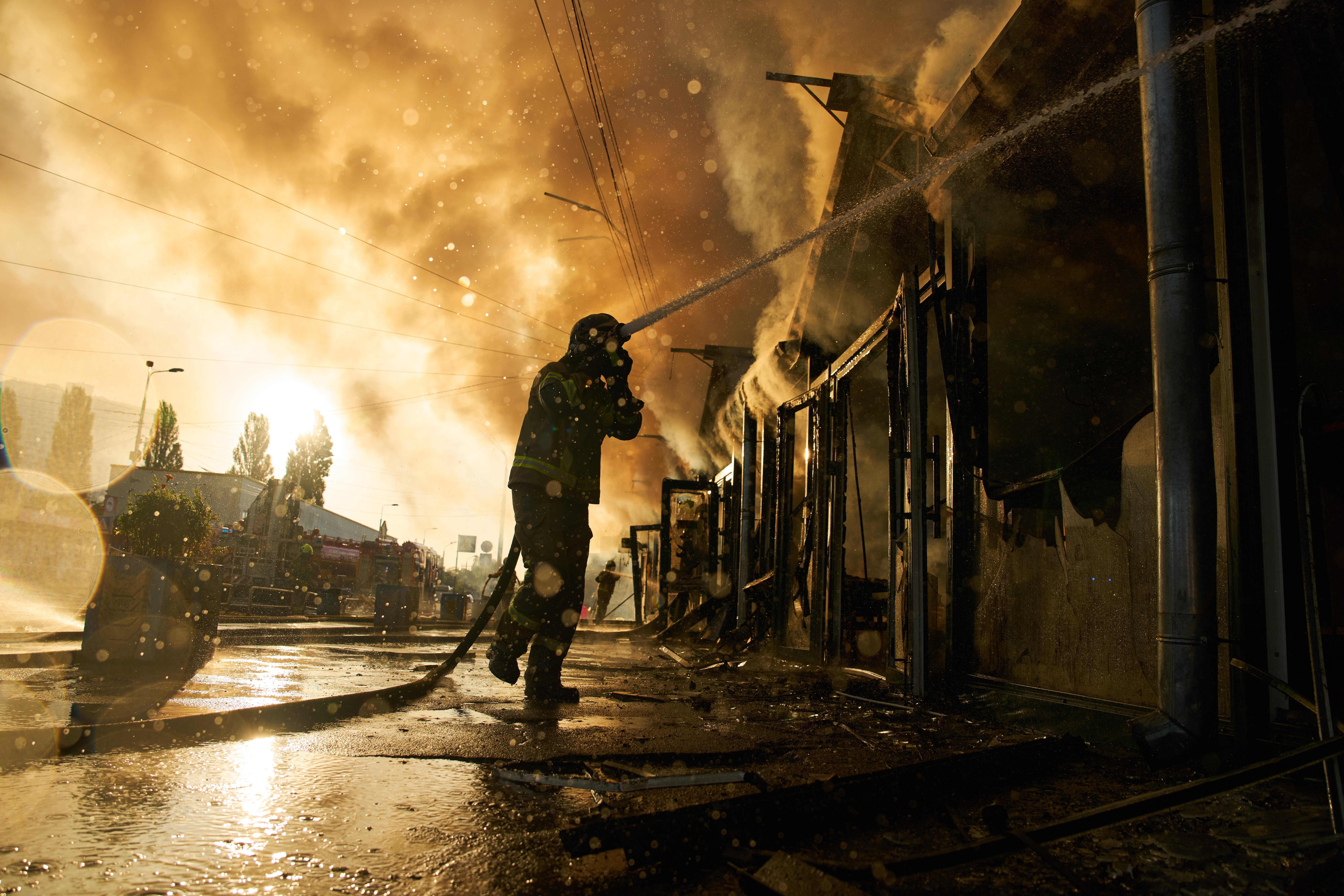 open image in gallery
In one sense it is a sign of Russian desperation. With the ground war stagnant and outnumbered Ukrainian fighters managing to pin back attempted Russian advances through superior unmanned land and air drones, the traditional Russian military edge in sheer manpower – the “meatgrinder” – has been eroded. Some 30,000 Russians are killed or wounded in action every month, and the Kremlin is finding it more difficult to recruit or force its young people into service; minimising the numbers having to be press-ganged from Moscow and St Petersburg is more difficult too.
So the population centres where the most political unrest and anti-government sentiment would be provoked are feeling the impact of the war more keenly. Even President Putin has to pay some heed to public sentiment, and some well-planned Ukrainian attacks on oil refineries, roads, railways and the warehouses used by Wildberries, a Russian version of Amazon, has, as President Zelensky puts it, “brought the war home” to the Russians. This has been most dramatic in occupied Crimea, now virtually cut off from the Russian mainland – a considerable symbolic humiliation.
It is thus all the more disappointing that the Trump administration apparently continues to renege on the promise made a few weeks ago to grant Ukraine a licence to manufacture Patriot missiles. These would at least limit the casualties the Russians inflict, and send a vital signal to Moscow that Washington is not indifferent, and does not wish to see Ukraine actually lose the war. That would make President Putin think again about his strategy of attrition, which is still costing the Russian people dear in loss of life and needless economic misery. The bigger problem is that Mr Trump might not be able to help even if he wanted to, because America and its Gulf allies have used up too many Patriots during the Iran war.
It is more encouraging that Congress has finally passed the Lindsey O. Graham Sanctioning Russia and Iran Act, which aims to penalise third parties who trade with Russia. But such is the power of China and India, the two economies that would be the most affected, that the practical impact of the measure may be more limited than the late senator wished. In any case, Ukraine needs the Patriots now. In that context, a rumoured resumption of the talks between the belligerents and Mr Trump’s envoys, Jared Kushner and Steve Witkoff, feels like an irrelevance.
 open image in gallery
With America wavering and China, Iran and North Korea supplying substantial industrial and military assistance to Russia (including drone components and ballistic missiles), it falls, as ever, to Europe to back Ukraine, and make sure that defeat for that valiant ally is avoided. Visible, tangible aid is essential for morale and military resilience. There the news is not all bad. The latest reports are that drones made by two UK companies have been used to destroy facilities deep inside Russian for the first time, the “coalition of the willing” continues to offer some training, and the EU is paying for the burgeoning Ukrainian defence sector.
The danger remains, however, that Russia will prevail and be allowed to impose partition on Ukraine and block it from joining Nato or the EU. Now, more than ever, Europe actually needs Ukraine almost as much as Ukraine relies on Europe, and other conflicts cannot detract and distract from that essential fact of geopolitical life. Europe cannot afford to lose.