



Bats infected with the deadly rabies virus are swooping down onto visitors at Washington state’s Olympic National Park.
One that landed on a woman on Sunday at around 2 pm was temporarily caught in her hair, according to the National Park Service.
The incident happened near the Staircase Rapids Bridge, a 210-foot pedestrian suspension bridge that crosses the North Fork Skokomish River.
“This individual is at risk for rabies and should seek healthcare immediately, as well as contact the Mason County Health Department at 360-427-9670 ext. 405,” the agency said in a statement.
But the woman wasn’t the only parkgoer who had to fend off the winged mammal.
 open image in gallery
“The bat also swooped at other visitors in the area, and it is unknown whether other people had contact with the bat,” the Park Service said.
Anyone who may have had contact with the bat – or any bat in the area – is being asked to contact a healthcare provider and their local health department soon to determine whether they might need treatment — even if they had not been bitten.
The same goes for pets. People should contact their local veterinarian if their animal may have had direct contact with a bat.
Washington state is home to many bats, including 15 species. They are the most active in the summer and warmer temperatures.
Bats are critical pollinators. They’re also a keystone species, helping to regulate their ecosystems by eating flying insects that come out at night, such as moths and beetles. Bats contribute billions of dollars to state economies by controlling pests.
“If a flying bat comes close to your head, it’s probably because it is hunting insects that have been attracted by your body heat. Less than one bat in 20,000 has rabies, and no Washington bats feed on blood,” the Washington Department of Fish & Wildlife says.
Although the department also wrote that bats “do not become entangled in peoples’ hair.”
Fewer than one percent of bats are infected with rabies – a lower percentage than other animals – and there are under 10 deaths each year from bat rabies in the U.S.
But bats are a leading cause of human deaths from infection and rabid bats have been found in every state in the contiguous U.S.
“Nearly 3 out of 4 Americans live in a community where animals carry rabies. Contact with infected bats is the leading cause of human rabies deaths in this country; at least 7 out of 10 people who die from rabies in the United States were infected by bats,” the Centers for Disease Control and Prevention says.
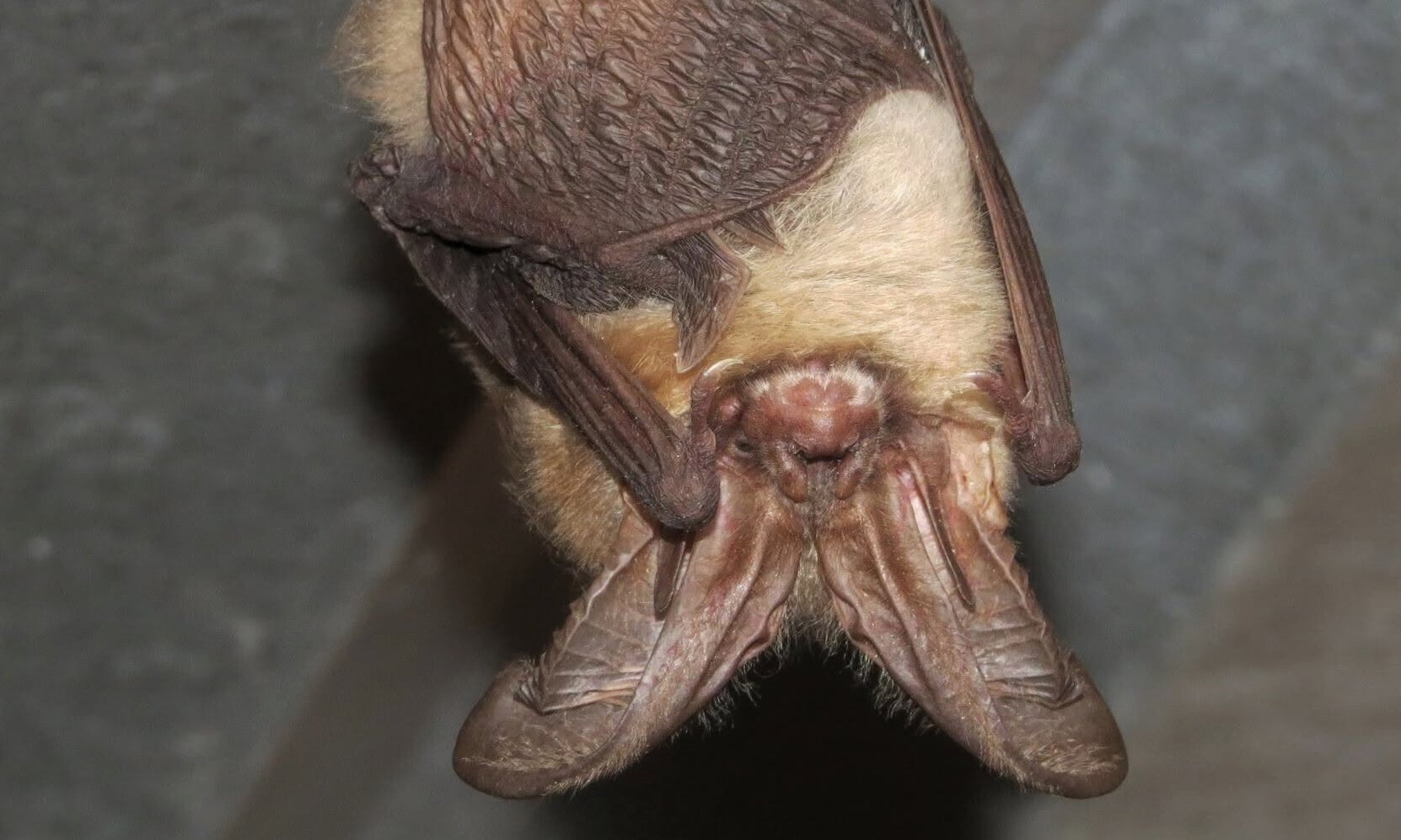 open image in gallery
Human cases of rabies are also very rare, spread by bats through their bite. There are typically just 1-3 cases in a year.
Rabies infects the central nervous system, leading to severe brain disease and death if medical care is not sought out before symptoms start.
Signs of rabies include flu-like illness, discomfort at the site of the bite, confusion, agitation, producing a lot of saliva, aggressive behavior, anxiety and hallucinations.
Severe disease appears within two weeks of the first symptoms.
However, fatal infections can be prevented with rabies vaccines and around 100,000 Americans are vaccinated against rabies after potential exposures each year.