


Inflation in the United States slowed last month alongside a cooling in underlying price pressures, indicating that elevated oil and gas costs driven by the Iran war have had a limited effect on wider economic prices so far.
According to Labor Department data released Wednesday, consumer prices grew 3.4% year-over-year in July, representing a minor decrease from June’s 3.5% rate. Inflation remains above its pre-war level of 2.4% recorded in February. Month-over-month, prices edged up by only 0.1% between June and July.
This subtle reduction may relieve some pressure on inflation-fighters at the Federal Reserve to implement further hikes to their key interest rate. However, cost increases continue to outpace average wage growth, maintaining financial pressure on American households managing higher bills for groceries, fuel, and healthcare—trends that have taken on a high profile in the fast-approaching midterm elections.
Stripping out volatile food and energy costs, core inflation slipped to an annual rate of 2.5% in July, down from 2.6% in June. July’s figure matches a post-pandemic low previously reached in January and February, prior to the start of the Iran war.

On a monthly basis, core prices increased by 0.2% from June to July. Sustained monthly gains around this 0.2% threshold would be low enough over time to bring overall inflation closer to the central bank’s 2% annual goal.
Even so, oil prices remain elevated and gasoline costs rose in late July and August, suggesting overall inflation could accelerate next month. On Wednesday, gas averaged $4.04 a gallon nationwide, a 16-cent rise from a month ago, according to the motor club AAA.
Inflation has been pushed higher by a series of shocks to the economy, including tariffs imposed last spring by President Donald Trump, rising gas prices stemming from the Iran war, and a surge in investment in artificial intelligence infrastructure that has boosted computer chip prices. The key question for central bank policymakers and consumers struggling with high gas and grocery prices is how quickly those one-time effects will fade or whether they will lead to persistently rising prices.
Wednesday’s figures could bolster officials at the Federal Reserve who believe the central bank can leave its key rate on hold at about 3.6% while inflation steadily declines on its own as those temporary factors fade.
Overall, price increases have stayed above the Fed’s 2% target for more than five years, suggesting that more than temporary factors may be at work. The cost of services such as healthcare, restaurant meals, and car maintenance are on average rising at more than 3% annually, and they aren’t particularly sensitive to gas prices or AI investment.
Rising costs for services often reflect higher wages, as companies charge more to offset the cost of higher pay. But incomes aren’t growing fast enough to sustain inflation, economists note.
It’s a confounding situation that has left many economists — and Fed officials — seeking more information to determine where inflation is headed.
“You’ve got all these things that are just not the way the economy used to behave,” Diane Swonk, chief economist at KPMG, said.
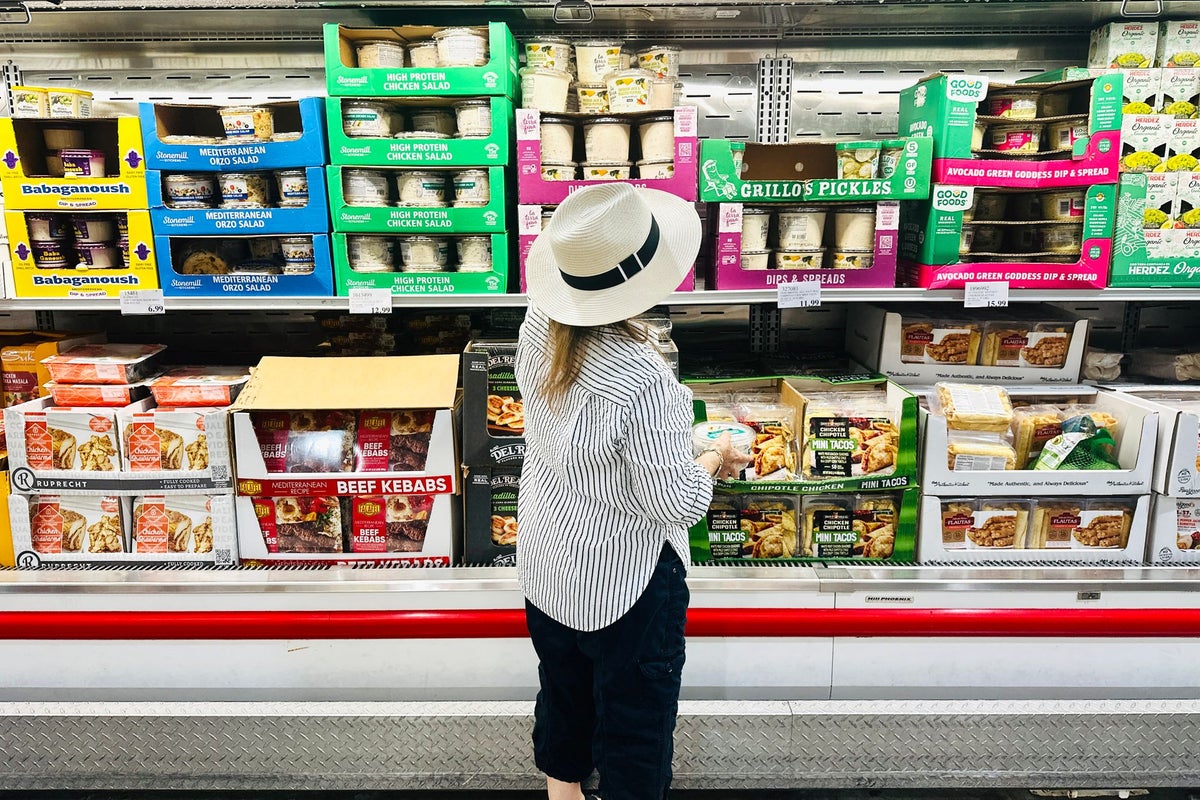
For many consumers, years of sharply rising grocery prices have led them to adopt a wide range of coping strategies, from comparison shopping, to couponing, to cutting back on favorite foods.
Some retailers, such as Walmart, have responded by rolling back food prices, a trend that could have lowered July’s inflation figures. Yet many other firms are still passing on higher costs.
Paint company Sherwin-Williams is planning an 8% price increase effective Sept. 1 to offset higher raw material costs, CEO Heidi Petz told analysts late last month. She said that because of the company’s strong relationships with suppliers, it was able to delay price increases until now.
“We are seeing the impact of higher oil and related cost pressures, and we expect continued volatility throughout the balance of the year,” she said.
Wednesday’s report comes as the Federal Reserve is sharply divided over whether it should hike its key interest rate to combat inflation. The Fed kept its rate unchanged, at about 3.6%, at a meeting late last month. But the vote was 9-3, with three dissenters favoring a rate hike.
And at a July 29 news conference explaining the decision, chair Kevin Warsh was vague about the Fed’s next steps, in keeping with his focus on reining in the central bank’s previous willingness to signal whether it was prepared to raise or cut borrowing costs.
“If inflation continues to be elevated … interest rates could well be part of that solution,” he said. “But I wouldn’t say it’s in isolation.”
Long-term interest rates rose after Warsh’s comments, suggesting investors worried that inflation could worsen in the coming months and the Fed might not lift borrowing costs to fight rising prices.
Complicating matters, the government said last week that employers had cut jobs in July, a sign of potential economic weakness. The Fed typically avoids rate hikes when hiring is faltering, because higher borrowing costs could slow the economy further.