


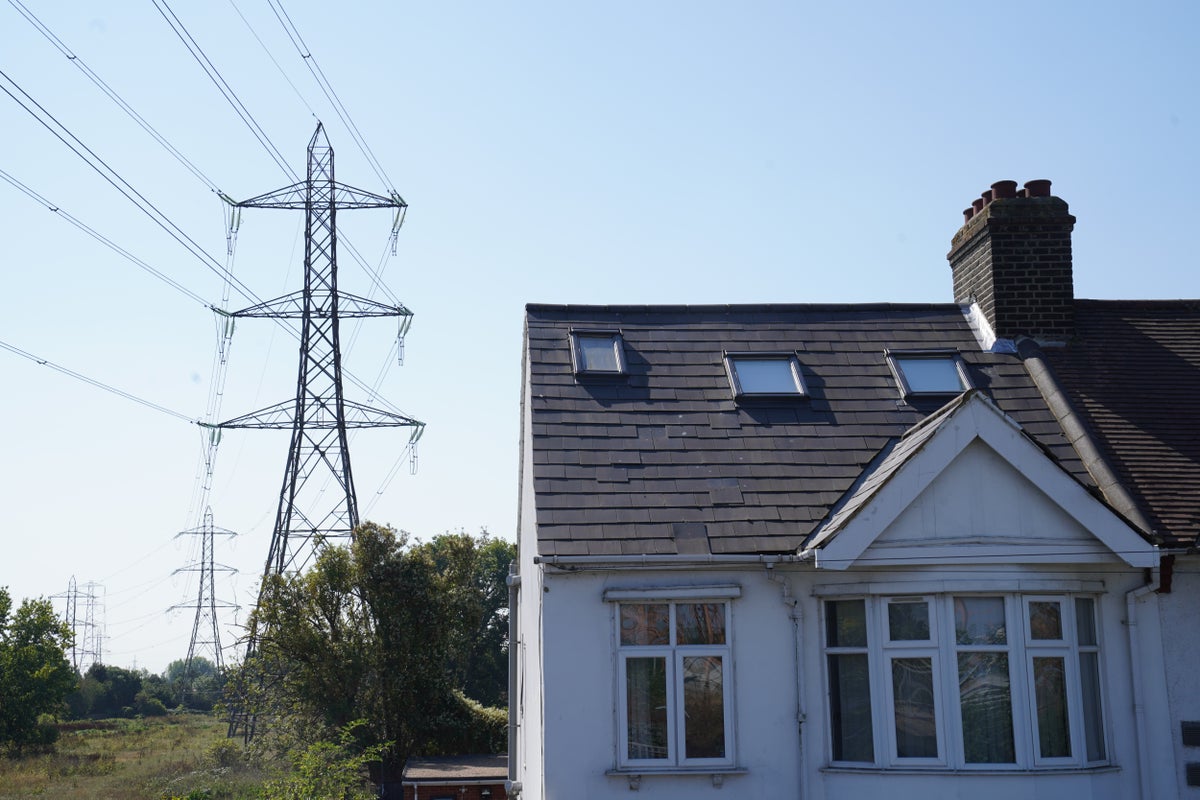
Households based near newly unveiled grid infrastructure and pylons are set to benefit from reduced energy bills following details released by the government.
The Energy Department (Desnz) outlined 43 initial projects expected to fall within the scope of its “bills discount scheme” on Wednesday.
According to officials, residents living within 500 metres of new or upgraded overhead transmission lines and other eligible infrastructure will start receiving money off their electricity bills in the first half of next year.
Desnz stated that eligible households could ultimately receive £2,500 off their electricity bills over 10 years through the discount measures.
The first wave of projects include National Grid transmission infrastructure from Bramford to Twinstead in East Anglia, the North London Reinforcement project and the Emmock substation in north east Scotland.
A government impact assessment earlier this year found that more than 100,000 households could benefit from the scheme in the coming decades as further projects follow.
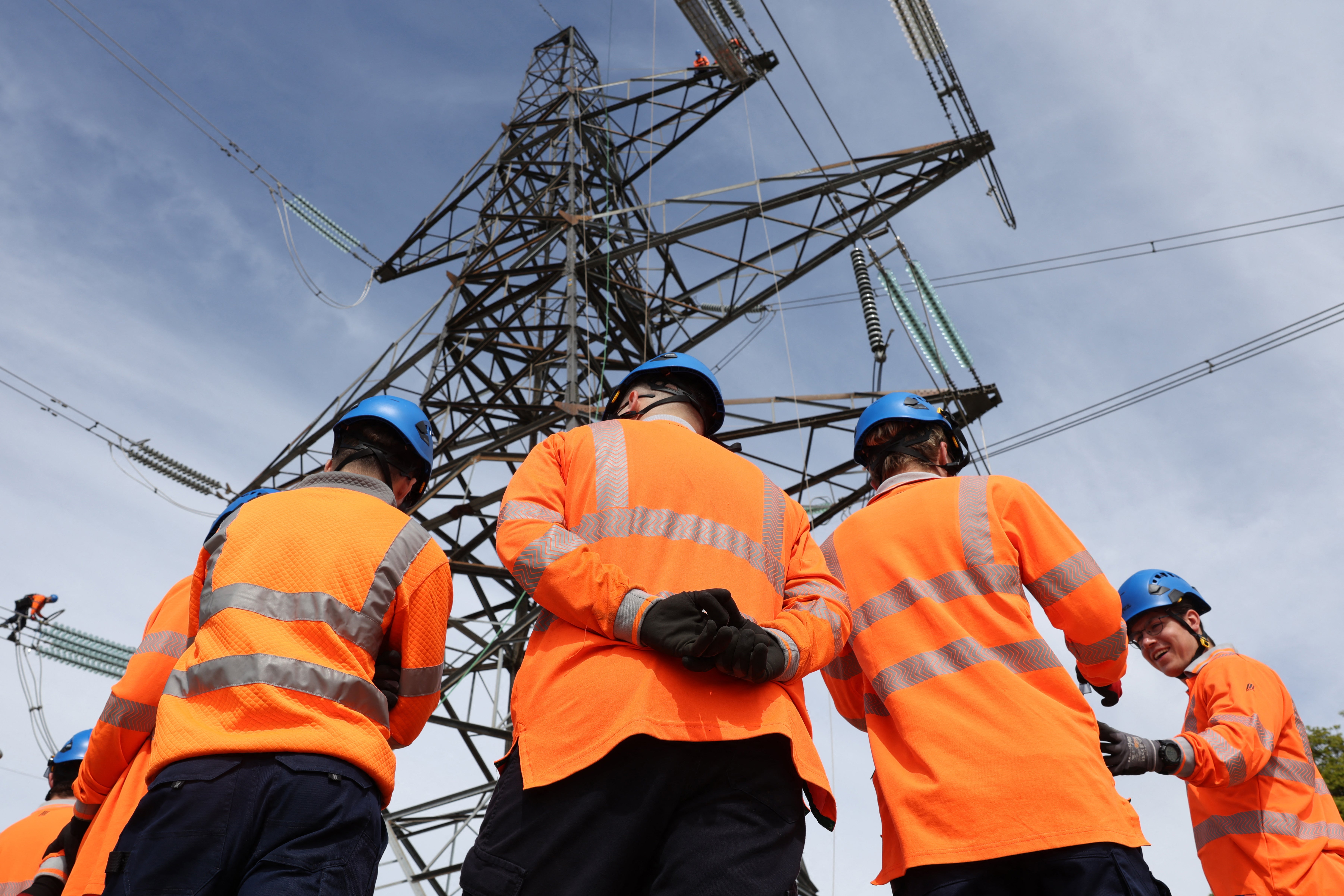
It comes as the government pushes ahead with upgrades to the country’s outdated electricity grid, paving the way for new sources of clean electricity generation to connect to the network, strengthening energy security, reducing bills and tackling climate change.
 open image in gallery
Energy Minister Michael Shanks said: “Upgrading Britain’s electricity grid is a vital part of how we deliver secure, homegrown energy and unlock economic growth across the country.
“It is a moment of national renewal – upgrading what was built largely in the 1960s for the modern age and is our route to bringing down electricity bills for households across the country.
“It’s vital we build again as a country and we are determined those communities which host pylons should benefit, which is why we’re bringing down the energy bills of those hosting this vital national infrastructure.”
Also among the first set of projects announced on Wednesday are transmission infrastructure from North Humber to High Marnham in the Midlands and from Pentir to Trawsfynydd in north Wales, as well as the Coalburn, Mark Hill, Branxton and Sanquhar substations across Scotland.
Most households that qualify for the scheme will receive the discount automatically on their electricity bill every six months via their energy supplier, officials said, although some may need to apply, such as those on commercial meters.
Ministers said they will be directly contacted by their energy supplier or Ofgem with further information in the first half of 2027.
These discounts build on the so-called “community funds”, where energy developers have provided financial packages to communities hosting new infrastructure since last year.
Ministers said that projects will only be in scope for the discounts once they have secured all necessary consents and the main construction works have started.
And only overground transmission projects – including substations, convertors, switching stations, sealing-end compounds and onshore converter stations for subsea power lines – will be eligible if construction started on or after March 10 2025.
 open image in gallery
Those being delivered by National Grid Electricity Transmission, SP Energy Networks, and SSEN Transmission are set to be eligible.
Neil Lawrence, Ofgem executive director for delivery and schemes, said: “Communities that host new electricity transmission infrastructure are playing a vital role in delivering the cleaner, more secure energy system Britain needs.
“The bill discount scheme will help ensure eligible households living near these projects see a direct benefit through discounts on their energy bills.
“As the scheme administrator, Ofgem’s role is to make sure payments are delivered effectively, fairly and transparently to eligible customers.”
The Government is coming under growing pressure to tackle the soaring cost of living and reduce the country’s exposure to volatile global fossil fuel markets.
Ministers recently announced a VAT cut on electricity bills, but Prime Minister Andy Burnham is also facing a dilemma over whether to back new oil and gas drilling in the North Sea.
Environmental groups have urged the Prime Minister to refuse permission for oil and gas production in two areas of the North Sea, known as Jackdaw and Rosebank, as part of the fight against climate change and argue it will make little impact on bills.
But opposition politicians, the oil and gas industry and US President Donald Trump have called for him to grant permission, arguing this would cut bills and protect jobs.