


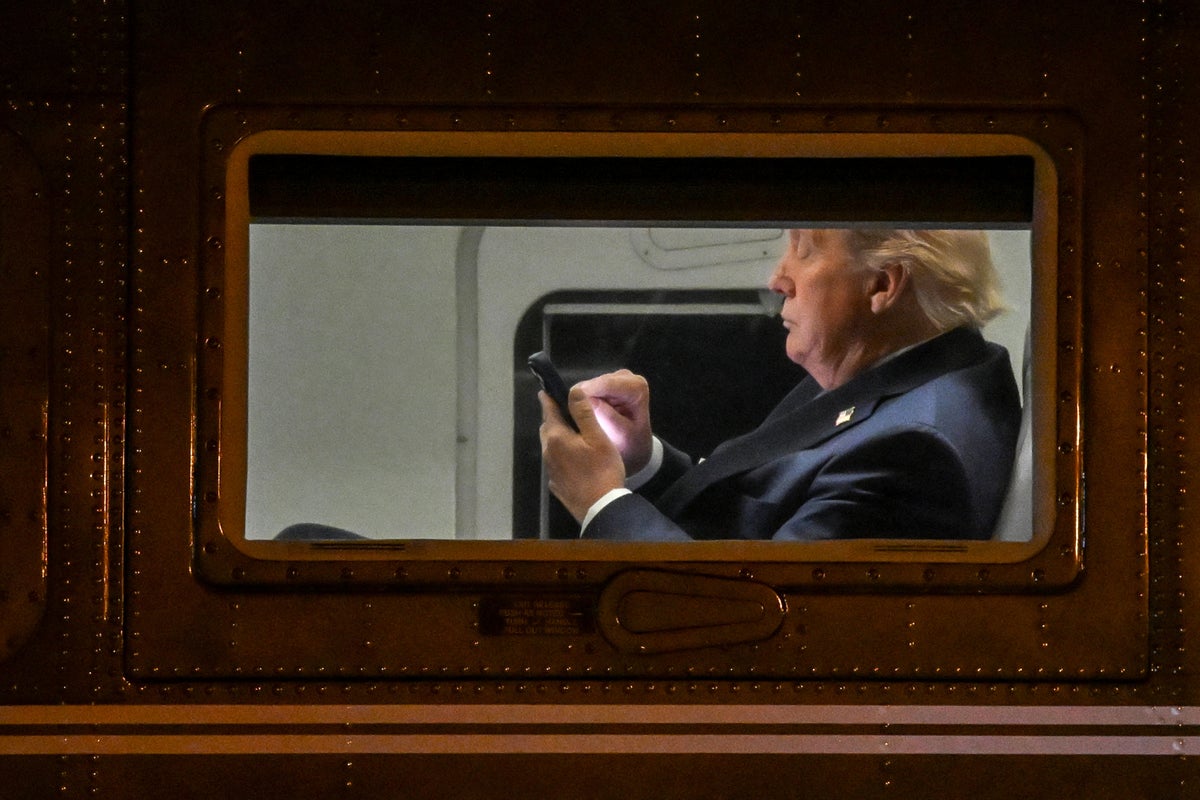
The Department of Justice has issued new guidance that could permit President Donald Trump to keep communications with outside advisers hidden.
In an August 10 opinion, the DOJ’s Office of Legal Counsel, which provides legal guidance to the executive branch, wrote that the president can exert executive privilege regarding communication with himself and “private advisers.”
Executive privilege can apply “so long as the communications relate to official presidential decisionmaking, involve or reflect communications with the President or his direct advisers, and are confidential,” the opinion, first reported by PunchBowl News, states.
“For the purposes of this memorandum, we use the term ‘private advisers’ to include anyone the President consults outside the Executive Branch, whether they be members of the public, state officials, or employees of other branches of the federal government,” the opinion continues.
The opinion argues Trump’s decision-making process would be impeded without the expectation of privacy — even when speaking with those outside of the executive branch.
.jpeg) open image in gallery
open image in gallery“Without a promise of confidentiality, the President’s ability to ‘decide and act quickly’ on matters of unrivaled importance would be seriously hindered,” it states.
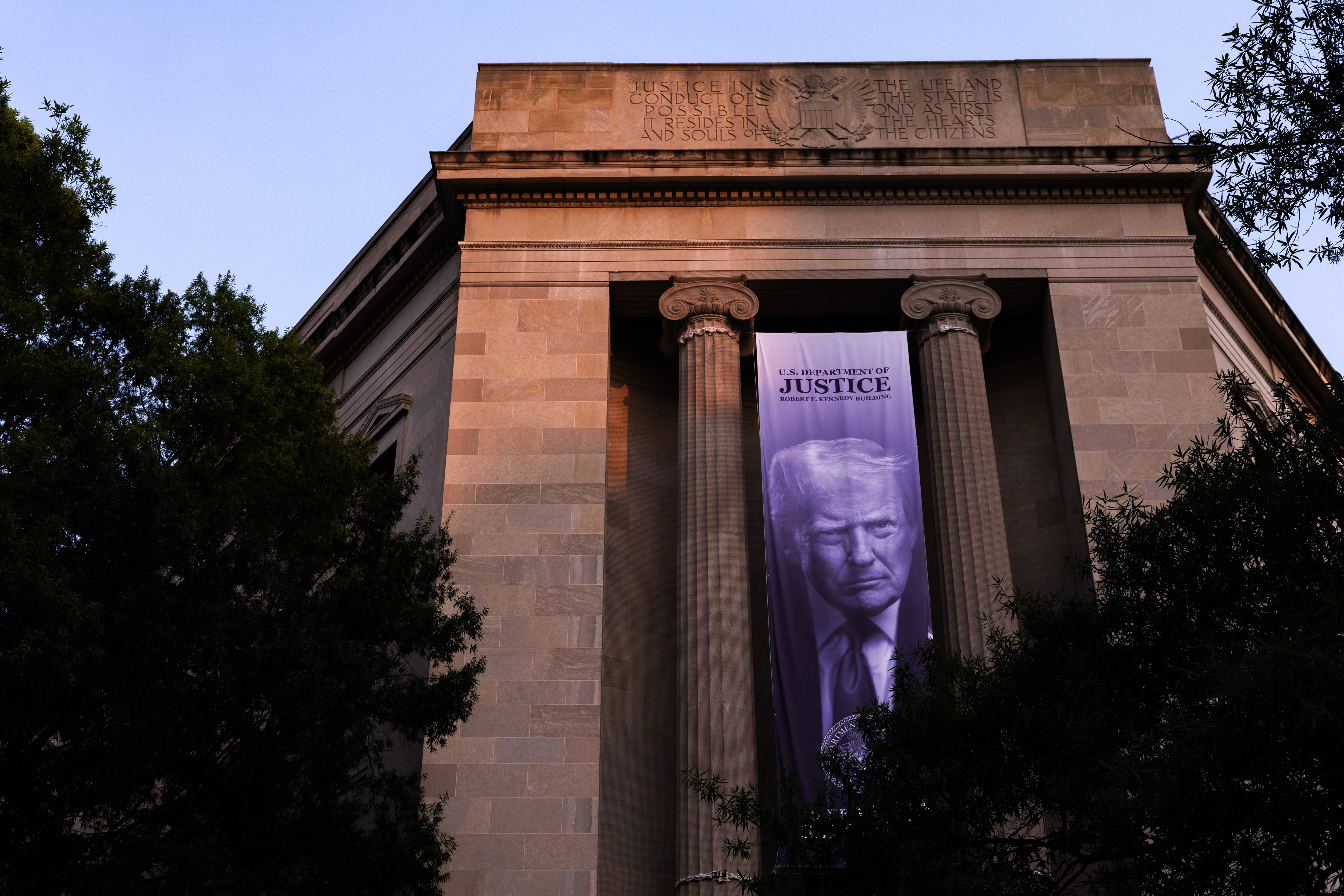
It was signed by Assistant Attorney General T. Elliot Gaiser, and it came the same day that Todd Blanche, the president’s former personal attorney, was sworn in as attorney general.
When reached by The Independent, a DOJ official said: “While the issue has not been litigated frequently, the Opinion reaffirms the longstanding position of the office going back at least as far as Paul Clement in 2007 and arguably as far back as 1972.”
Paul Clement served as George W. Bush’s solicitor general and briefly as acting attorney general. In 2007 he argued that executive privilege could be exerted over confidential communications with individuals outside the executive branch.
Punchbowl News’ Jake Sherman noted that the new opinion could have “big implications” if Democrats take back the House after the midterm elections and begin investigating the president.
 open image in gallery
The administration has previously tried to exert executive privilege in blocking the release of communications.
For instance, in April, the Office of Legal Counsel wrote that the White House should not be required to comply with the Presidential Records Act, which requires that communications between White House staff be preserved. The memo described the act, passed after Watergate, as unconstitutional.
“This could make Trump the most poorly documented president since at least Richard Nixon, and perhaps going back even further,” The Atlantic reported in response to the OLC’s memo. In May, however, a federal judge ordered U.S. officials to comply with the law.
In spite of these bids to permit more secrecy in the executive branch, White House Press Secretary Karoline Leavitt has frequently described Trump as “the most transparent president in history.”