


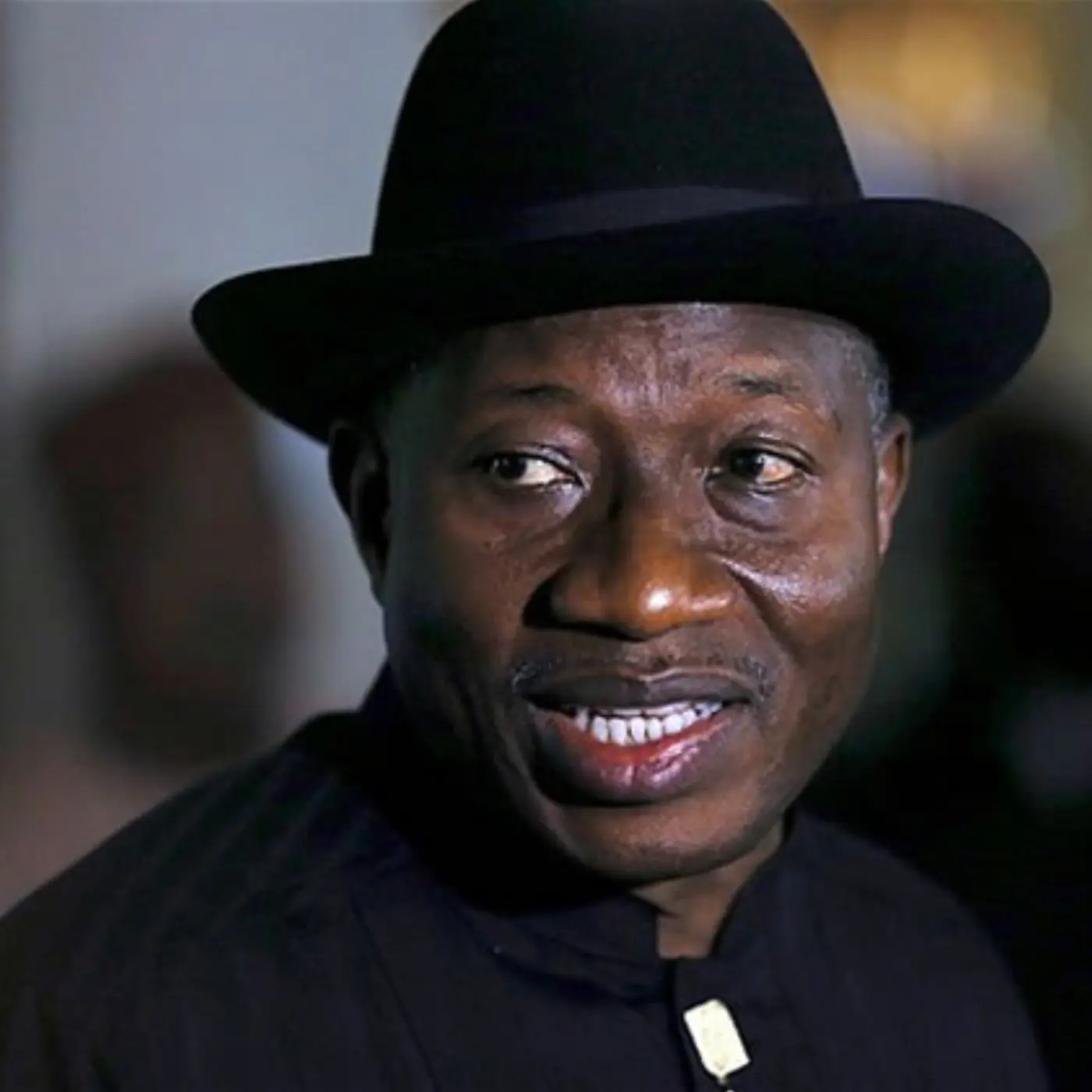

Former President Goodluck Jonathan has raised fresh concerns over Nigeria’s growing culture of post-election litigation, saying the increasing role of the courts in determining political outcomes is weakening the country’s democratic process.
Jonathan, who spoke on Tuesday at the 2026 Democracy Dialogue organised by his Foundation in Bauchi, described Nigeria’s electoral dispute system as unusual compared with other African democracies, where elections are largely resolved through the ballot rather than prolonged court battles.
“The Nigerian situation is extremely different from most other African countries,” he said.
“The kind of election litigation we experience here is uncommon. I can describe the Nigerian situation as a very anomalous one.”
The former president recalled a conversation with a former Deputy President of South Africa during his tenure as vice president, saying she was surprised that Nigerian politicians routinely challenged election results in court after losing.
“She asked me, ‘Jonathan, why would somebody go to court after losing an election?’” he said.
“In South Africa, people do not normally go to court after losing an election. In Nigeria, election litigation has become so common that it is often factored into the election process.”
Jonathan said the judiciary must remain independent, impartial and faithful to the law, but noted that public confidence in many political judgments had declined.
He argued that while criminal offences committed during elections should be prosecuted, some electoral disputes had become unnecessarily politicised and over-litigated.
“In some highly controversial cases, it is better for the election to go back to the people,” he said.
He also criticised what he described as increasing judicial interference in the internal affairs of political parties, particularly in disputes arising from party primaries.
“Courts now determine who becomes a party’s candidate and, in some cases, which political party should be recognised,” Jonathan said.
“That is creating serious uncertainty in Nigeria’s political environment.”
According to him, political parties should retain the primary responsibility of choosing their candidates, adding that excessive judicial intervention has altered the balance of Nigeria’s democratic system.
Jonathan stressed that democracy functions as an ecosystem in which political parties, electoral bodies, security agencies, the judiciary, civil society, the media, election observers and voters all have important roles to play.
He, however, maintained that Nigeria’s democracy would be stronger if electoral disputes were significantly reduced and greater confidence were restored in both elections and judicial decisions.

Two fire outbreaks hit Access Bank branch, residential building in Kano

‘Not from us’ – Kano varsity disowns Emir Sanusi ‘carry over’ video

Nigerian Army opens application portal for Short Service Combatant Commission

Nigeria’s inherited democracy does not have African content – Obasanjo

NCC raises alarm as road projects damage 5,000 fibre links in six months

Centralised resource control fuels insecurity, underdevelopment – Gov Diri

Ibadan Circular Road: Compensate us before end of your tenure – Victims appeal to Makinde

Salary increase: Ensure direct transfer of funds for military –Ndume tells Tinubu

CSOs urged to adopt evidence-based approach in holding govt institutions accountable
