


AdvertisementChina-Middle East relationsChinaDiplomacy
China, India and Pakistan’s dangerous nuclear triangle just became more complicated
4-MIN READ4-MIN Listen
Khushboo RazdanPublished: 10:07pm, 10 Aug 2026Updated: 3:58am, 11 Aug 2026The China-India-Pakistan triangle has never been short on danger, but Islamabad’s new defensive alliance has added another variable to an already volatile situation.
Last week, Pakistan, Turkey and Saudi Arabia signed a pact in Mecca in which they agreed to treat an armed attack on one as an attack on all. The three governments have described it as defensive and not directed at any particular state.
Analysts said its main significance for India lay less in whether it would be invoked, but in how it could alter Pakistan’s strategic position as well as the balance between the three nuclear powers.
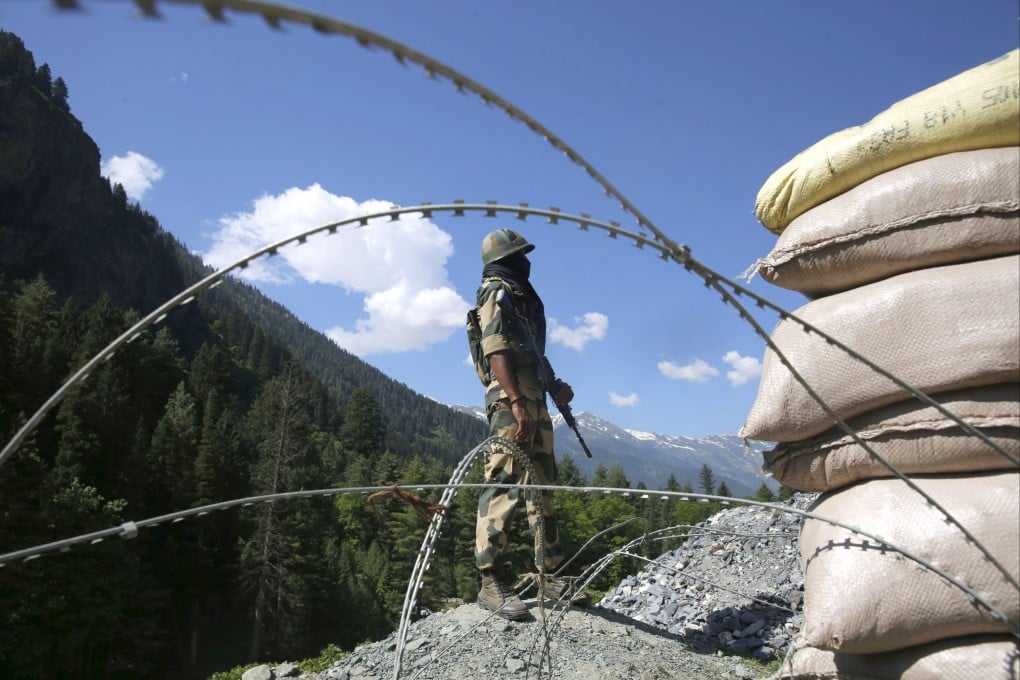
For several decades their relationship has been marked by intermittent deadly flare-ups, most recently the 2020 Galwan clashes between Indian and Chinese troops and last year’s India-Pakistan conflict.
“The agreement institutionalises a trilateral framework combining Saudi capital, Turkish defence technology and Pakistan’s strategic geography,” according to Brahma Chellaney, a New Delhi-based strategic analyst.
“Regardless of whether such provisions are ever invoked [the pact’s] existence could nonetheless complicate India’s strategic calculus by introducing additional uncertainty into crisis planning and deterrence,” he wrote in a social media post.
03:56China calls for de-escalation in border conflict between Pakistan and AfghanistanAdvertisementSelect VoiceSelect Speed00:0000:001.00x