


AdvertisementScienceChinaScience
China is using AI facial ID to track migrating fish in Tibet’s largest river
Round-the-clock tracking system helps to identify and monitor species travelling through a dam fishway on the Yarlung Tsangpo River
3-MIN READ3-MIN Listen
Victoria BelaPublished: 10:00am, 10 Aug 2026China is using an artificial intelligence-driven fish identification system to conduct round-the-clock tracking of species passing along a fishway on a dam on Tibet’s largest river.
Monitoring the route once relied on labour-intensive manual counts, but it now uses an AI-based “fish facial recognition” system to identify species unique to the Tibet autonomous region, according to a report published by Global Times on Tuesday.
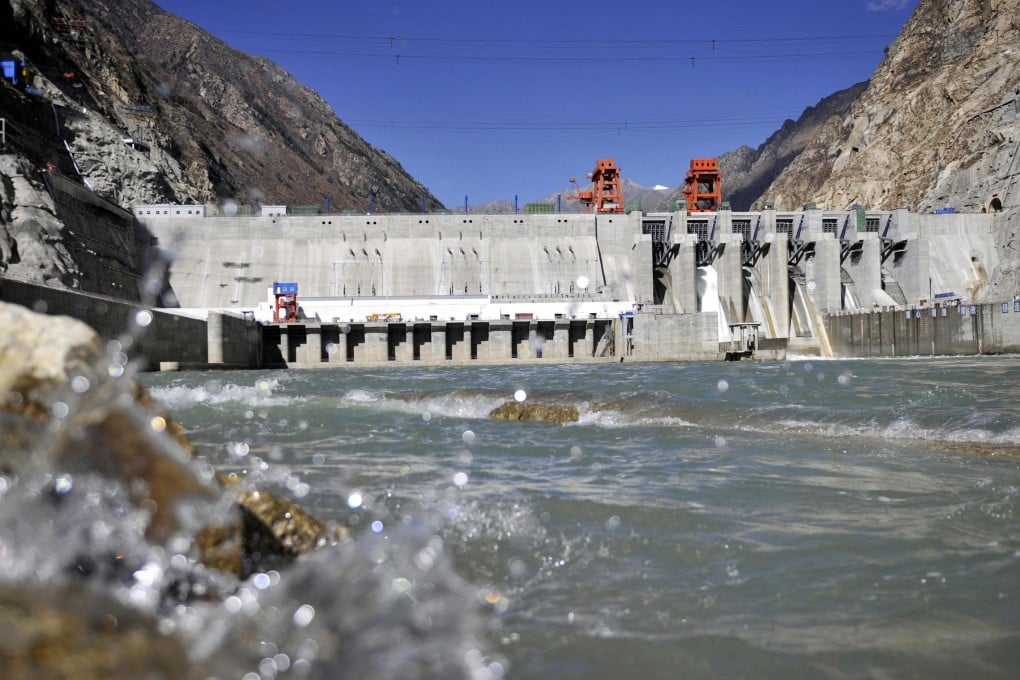
Since the 116-metre-tall (381 feet) Zangmu Hydropower Station began operating on the middle reaches of the Yarlung Tsangpo River in 2015, the fishway, also known as a fish ladder, has helped around 570,000 rare fish swim upstream.“From the monitoring results, the fish population in the middle reaches of the Yarlung Tsangpo is very stable and has not decreased because of the construction of the hydropower station,” Yang Xiaocheng, director of safety and environmental protection at the dam, told Global Times.
“On the contrary, the aquatic ecology and animal-plant life in the entire middle gorge section of the Yarlung Tsangpo River have shown positive changes,” Yang added.
Hydropower facilities offer flood protection and a reliable renewable energy source to offset intermittent renewables such as solar and wind. But they also pose significant environmental challenges due to the restructuring of natural water bodies.
AdvertisementSelect VoiceSelect Speed00:0000:001.00x