


Hantavirus has been dominating international news coverage and sparked considerable anxiety among those fearful it could become the next pandemic-level threat. BBC’s Dr Xand offered his assessment of this theory and identified the sole group he believes ought to genuinely worry about the outbreak.
The doctor appeared on Morning Live on 11th May, expressing his hope that viewers would take away “reassurance” from his segment. He said: “Viruses make people nervous, but actually this is not a thing that we should be concerned about.”
He emphasised: “The main thing to say about hantavirus is that this, it’s not like Covid.”
Dr Xand clarified that the only people he thinks “should be concerned” would be the cruise ship passengers who may have spent sufficient time in close proximity to infected people to have caught the virus.
Dr Xand directed some remarks specifically towards the ship passengers currently self-isolating in the UK: “If they are watching telly at the moment we should say; we’re thinking of you, this has been very difficult for you. It is great that you’re home and we hope you’re feeling good.”
 View 3 Images
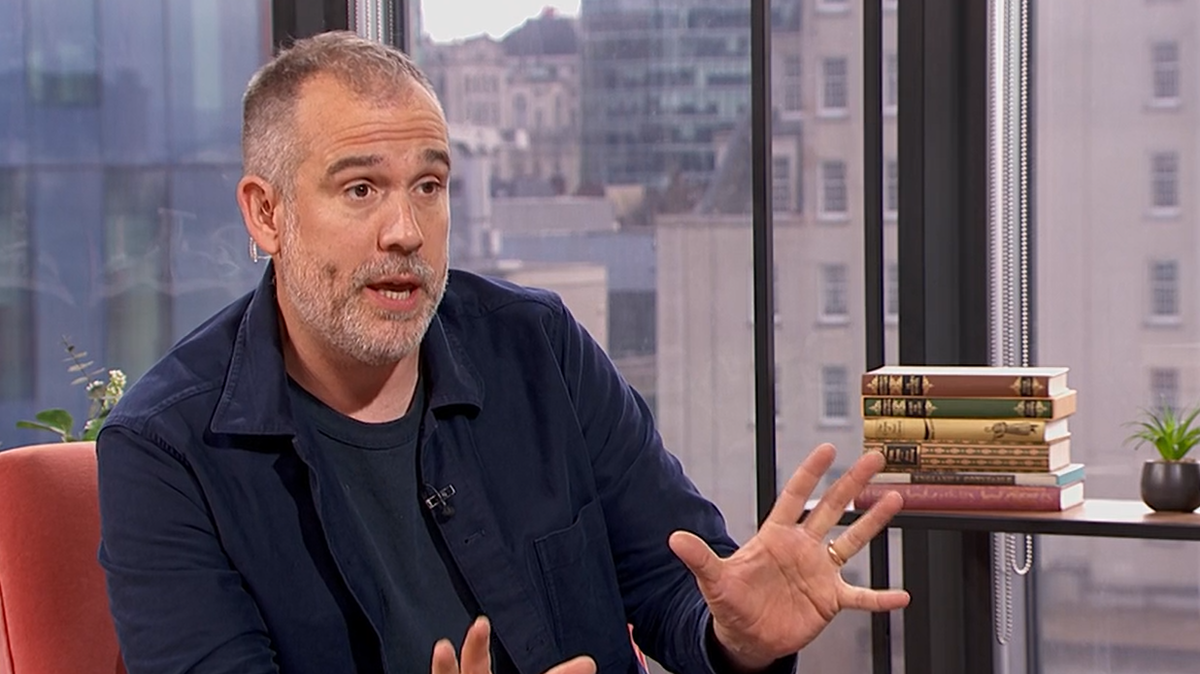
Dr Xand explained the only people who need to be concerned about Hantavirus are the ship passengers(Image: BBC)
The television medic appealed to those who might be near or within the hospital where the passengers are quarantined: “These poor people have been on a boat. It’s been very traumatic, very nerve-wracking; they will have been very worried about catching what is potentially a deadly virus in the confines of a cruise ship.
“We shouldn’t (make them feel) contaminated or ostracised or anything. Of course, we’re taking precautionary measures, but it’s great that they’re home and they don’t pose a risk to us.”
 View 3 Images
Hantaviruses are primarily spread through contact with infected rodents(Image: GETTY)
The specialist highlighted that the fundamental distinction between the two illnesses lies in their transmission methods. Covid was an extremely infectious disease that could spread during fleeting encounters via airborne particles when someone infected breathed, talked, coughed or sneezed.
Hantavirus, conversely, is typically contracted through contact with faeces, saliva or urine from infected rodents. The particular strain responsible for the outbreak aboard the luxury cruise liner has previously been documented in instances of person-to-person transmission.
Nevertheless, even in these uncommon cases of human-to-human spread, sustained and intimate contact with the infected individual during the illness’s initial phase was necessary for viral transmission. It predominantly occurred amongst household members or intimate partners.
 View 3 Images
Dr Xand assured viewers that this outbreak is ‘not like Covid'(Image: BBC)
Dr Xand identified another crucial distinction between this outbreak and Covid’s emergence: “(Hantavirus) not a brand new virus, it hasn’t suddenly emerged out of somewhere.”
While the medical community has been aware of hantavirus for decades, no vaccine or targeted antiviral therapy exists, according to the UKHSA. Treatment instead centres on managing the patient according to their specific symptoms. This may encompass hospital treatment and breathing assistance.
Article continues below
Swift medical intervention can enhance a patient’s prognosis, though diagnosis proves challenging as initial hantavirus symptoms mirror common flu, leading individuals to potentially overlook early warning signs when they ought to be seeking treatment.