


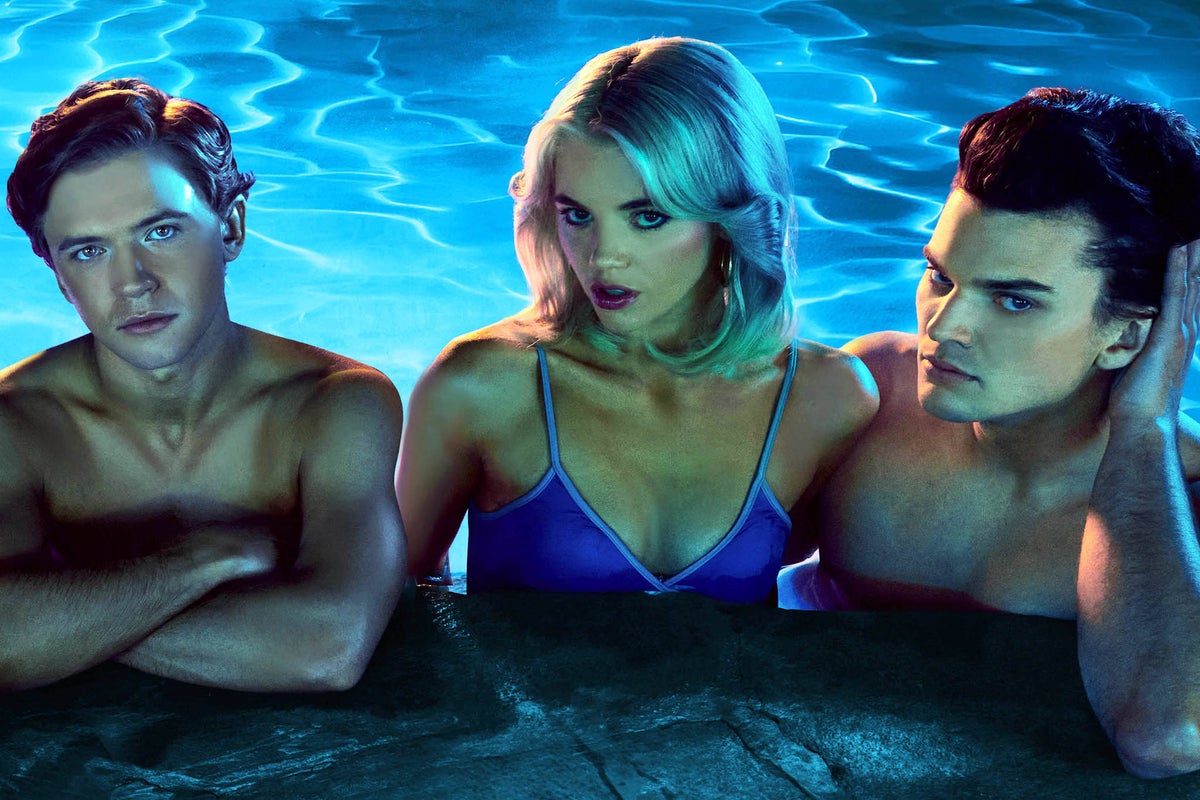
I discovered Bret Easton Ellis shortly after my 13th birthday, which is really the only time you should discover Bret Easton Ellis. He was the author of choice for prodigious brats and queers, a swishy nonsense nihilist who had, years earlier, appalled the literary establishment with novels about Wall Street sociopaths and ambisexual teen druggies. The horror and the allure of Ellis’s work was in their trim, colourless prose: Less Than Zero, The Rules of Attraction and American Psycho were tales of lurid sex and violence presented so flatly that they were almost mundane. “I look up, admiringly, at Trump Tower, tall, proudly gleaming in the late afternoon sunlight,” goes his poreless, proto-looksmaxxer serial killer Patrick Bateman. “In front of it two smartass n***** teenagers are ripping off tourists at three-card monte and I have to fight the impulse to blow them away.”
Ellis was dangerous and nasty, and so blithely unconcerned about his own controversy-stoking that he made teenage-me swoon. That said, I haven’t read or much thought about Bret Easton Ellis since those days. He is an eternally adolescent proposition, like Blue Banana or contraband WKDs in the park, which is probably why he’s fallen so aggressively out of favour. If the literati never particularly dug him, and his juvenile fandom grew up, who’s left? The stragglers picked up by Ellis’s lengthy post-Obama Twitter rants about wokeness and the “professionally aggrieved”? Do they even read books?
So it came as a surprise to see that Bret Easton Ellis had come out of purgatory, and bigger and better funded than he has been in years. The fault lies with Ryan Murphy, the discourse merchant behind everything from American Horror Story to The Beauty, who has adapted – with Ellis himself – the author’s schlocky, occasionally sincere 2023 autofiction slasher novel The Shards for television. It’s slightly mad that their paths haven’t crossed until now. Murphy is the closest thing TV has ever had to its own Bret Easton Ellis, a man who inspires as much guilty pleasure in his acolytes as he does opprobrium and confusion.
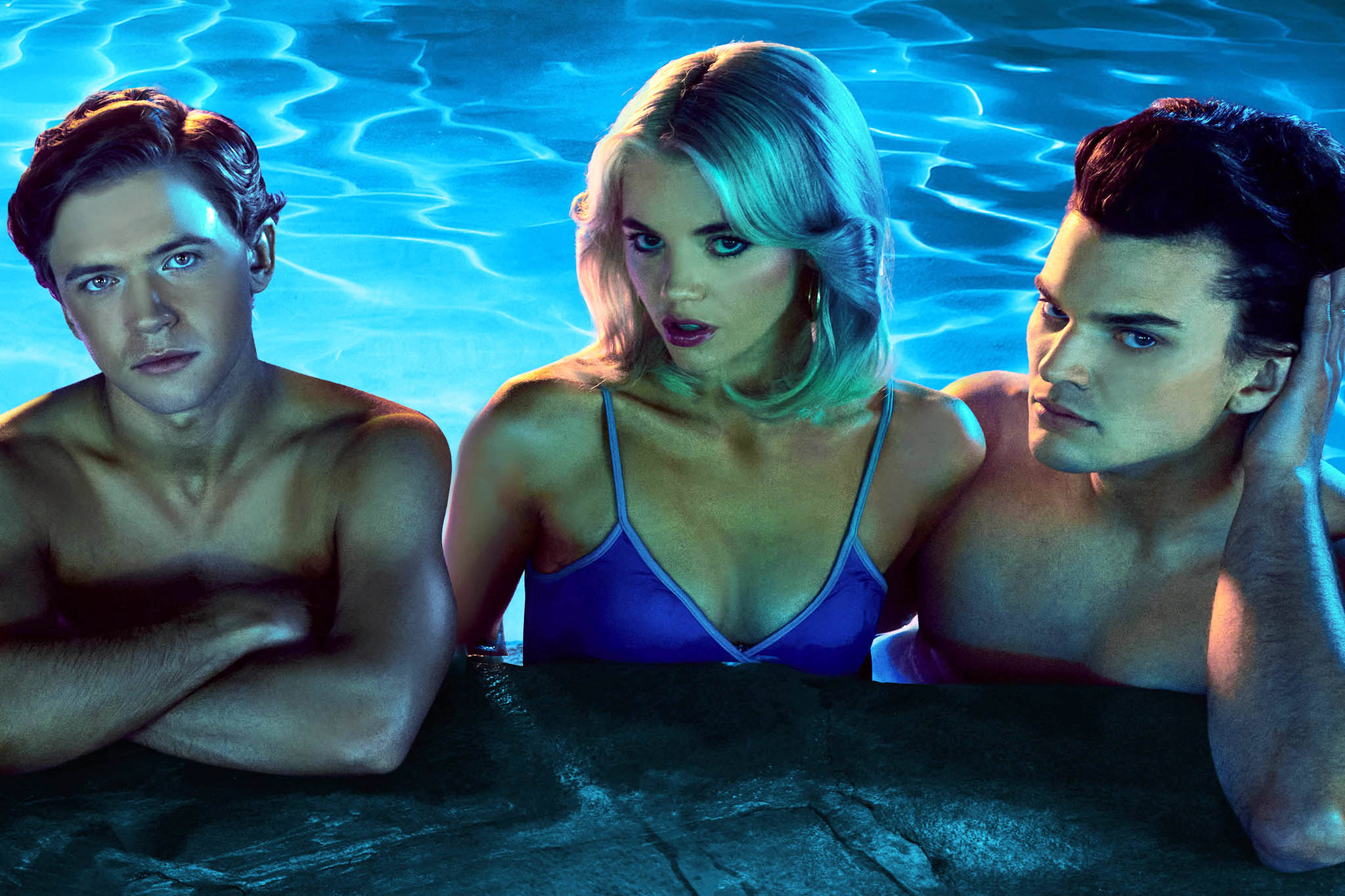
The Shards – which is streaming now on Disney+ – doesn’t really work as a TV show, because salacious exploits of the rich and shameless is basically all of television now, and because its young, vaporous cast, which includes the daughter of Cindy Crawford and the son of Richard Gere, are a bit too blank to effectively convey intentional blankness. They all just seem remarkably unskilled, and tedious to boot. But The Shards has the unforeseen effect of making Ellis’s source material actually look quite brilliant, even if you’d long consigned him to the clearance bin of popular culture.
 open image in gallery
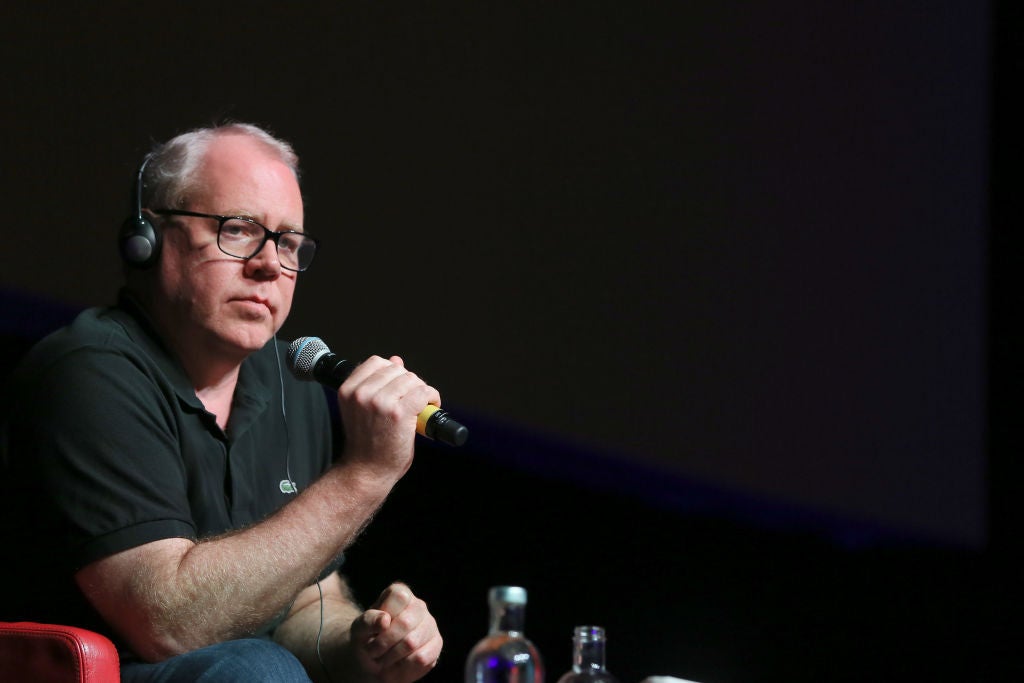
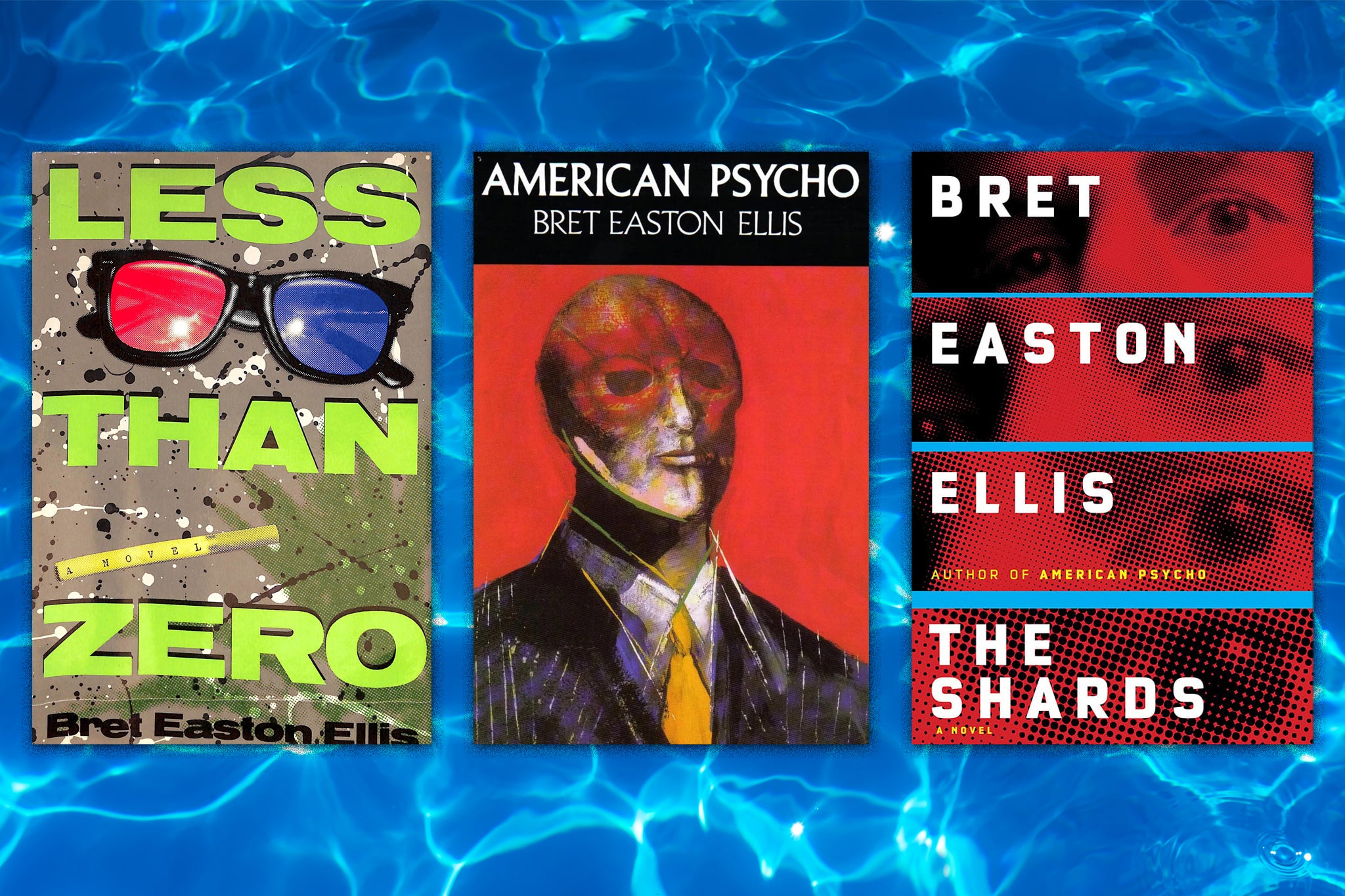
Ellis was just 21 when Less Than Zero hit shelves in 1985, the media anointing him a figure of Holden Caulfield-esque generational alienation, and the product of a culture gone to seed. “This is one of the most disturbing novels I’ve read in a long time,” went The New York Times, which presumably made Ellis’s publishers very happy. His story of boozing and drugging Hollywood offspring became a bestseller, and was so convincingly lived-in that Ellis would repeatedly face claims that it was autobiographical. It wasn’t, but its louche yet chic sense of apathy was at least reared during his time at the elite Vermont school Bennington College, where his classmates included Donna Tartt. She’d go on to write every moody alt-girl’s favourite novel The Secret History.
Less Than Zero is disturbing at junctures, particularly a scene of rape that chilled me even at my edgelord-iest, but it’s otherwise written so languorously – bored, even – that it almost becomes silly. Ellis termed it a satire, and you’re inclined to believe him. Everything is described with such ironic detachment, whether it’s anorexia, plastic surgery, drug abuse or murder, that it’s all ultimately meaningless. He swam in similar waters for its follow-up, 1987’s The Rules of Attraction, which shifted focus out of high school and into an elite liberal arts college, to lesser effect.
American Psycho, released when Ellis was 26, took ironic detachment to near-fatal extremes. It remains Ellis’s funniest novel (see the chapter on the existential brilliance of Whitney Houston), and his most purely ugly – the descriptions of some of the acts that yuppie investment banker and serial killer Bateman inflicts on women are objectively vile, and haven’t been neutered by time. American Psycho was binned by its original publishers and banned for sale to under-18s in numerous countries. For years it carried such a toxic reputation that feminist activist Gloria Steinem personally pushed Leonardo DiCaprio to drop out of its film adaptation for the sake of his young female fanbase.
While American Psycho itself has gone gloriously mainstream since its 1991 publication (there’s even been a musical, for goodness sake), it’s debatable whether Ellis’s own career properly recovered. The Informers, a collection of gonzo LA short stories released in 1994, and 1998’s Glamorama both veer into slight Bret Easton Ellis pastiche, like a photocopy of a photocopy. Glamorama in particular is like Less Than Zero gone berserk, railroaded with celebrity references, brand names and fashion labels, then inexplicable ruminations on state surveillance and terrorism.
 open image in gallery
Ellis seemed to go further adrift in the Noughties, first by lambasting Mary Harron’s sterling adaptation of American Psycho starring Christian Bale – which was coolly received upon release but has aged like fine wine – and releasing two lightly metatextual novels that lacked his earlier bite. There was 2005’s Lunar Park, in which “Bret Easton Ellis”, a slumming novelist, moves to the suburbs and experiences both literal and psychological hauntings. It was dubbed “the portrait of a narcissist who is terminally bored with himself” by The New York Times. Then he wrote a Less Than Zero sequel, 2010’s limp Imperial Bedrooms, before becoming a professional old man yelling at a cloud on Twitter, venting his feelings on the state of the world.
Then came White, a collection of moany essays published in 2019, which lifted wholesale many of the circular arguments Ellis was already having on Twitter at the time. He’d complain about Moonlight winning the Oscar, how it’s sad that people can’t joke about HIV any more, and why the liberal media was wrong to worry about Donald Trump’s presidency. A sensationally dismal interview in The New Yorker to promote White, in which he dodged or expressed chronic disinterest in discussing any of the political stances he wrote a whole book about, seemed to be the nail in his coffin.
It’s possible that the decline of Twitter helped us all forget those years when Ellis became unbearable, or that Bateman’s hilarious infatuation with Trump in American Psycho (he repeatedly invokes him as the pinnacle of style and taste) inspired many to take a second, more forgiving look at his masterpiece.
But I’m more inclined to believe it’s to do with what’s trendy right now. Ellis’s spare, dishy tales of Los Angeles ennui aren’t worlds away from the spare, dishy tales of Los Angeles ennui by Joan Didion and Eve Babitz (only with, you know, more chainsaws and violence), both of whom have experienced a resurgence among young readers in recent years. A boom in fast, fragmentary fiction – dubbed “Adderall novels” by the Los Angeles Times in April – couldn’t have harmed him any, either.
 open image in gallery
And he’s also, when he’s at his best, just shockingly good. Rereading Less Than Zero and American Psycho this week, I was struck by how funny his novels are, how immersive and strange they tend to be. They read like an uninterrupted broadcast of MTV in its heyday, where expensive pop music would pivot to loud advertisements selling you a lifestyle you didn’t need, all the while the world around you burns. They read like America, in all its dazzle and madness, and how appealing that all is when you’re at an age where you’re still finding yourself. I was reminded of the fact that legendary girl-about-town Peaches Geldof created a very short-lived magazine called Disappear Here in 2008, inspired by a recurring phrase in Less Than Zero that seems to follow around its hero, and how fitting it was that Peaches Geldof – lost, anarchic, exhausting – was a Bret Easton Ellis devotee. And how sad it is that she’s long dead.
I began to think about how important it is to dip a toe in that sort of danger as a teenager, if only to teach you what absolutely not to do once you get your life together. And it may be the silver lining of a show as banal as The Shards. Someone out there will hopefully read the novels that inspired it, be horrified and intrigued, and make them their whole personality for a while. Then they’ll turn 14 and (hopefully) outgrow him, but still remember his work with a cringey fondness. It’s a chequered legacy, sure, but a legacy all the same.
‘The Shards’ is streaming on Disney+