


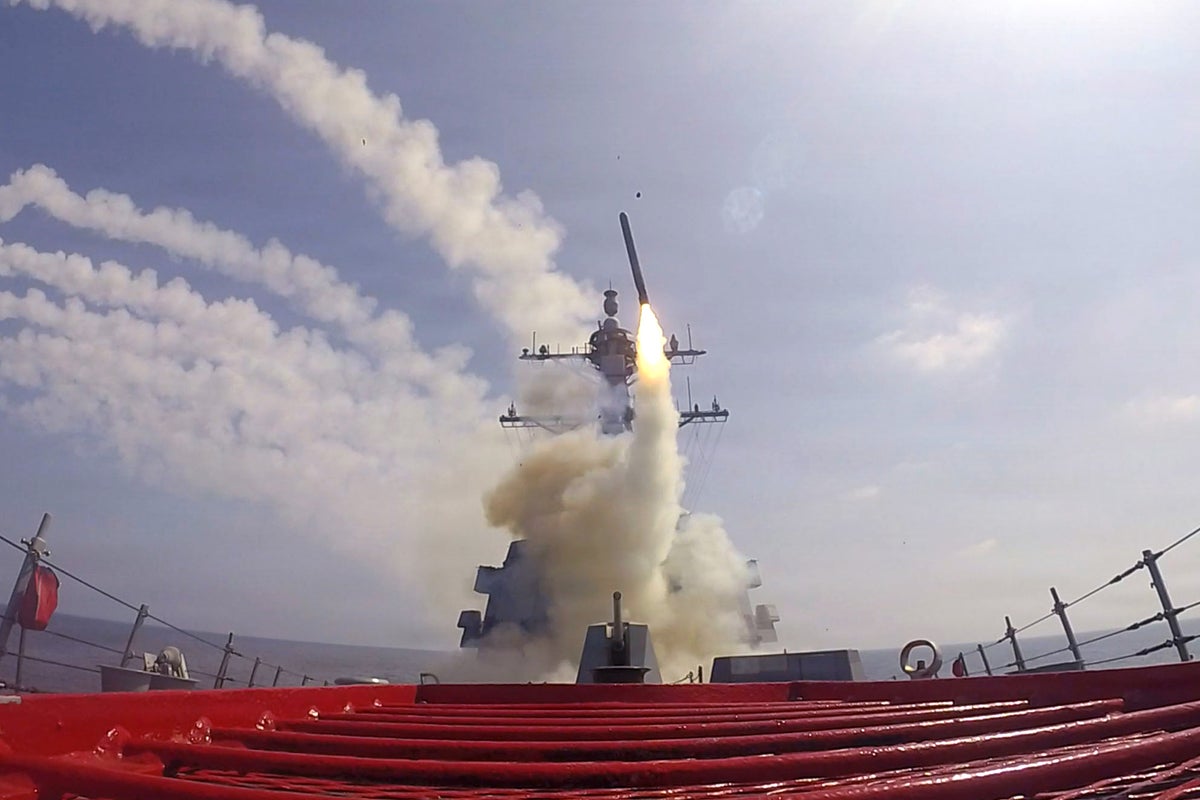
With the Iran war draining U.S. weapons stockpiles, the Pentagon is reportedly leaning hard on defense companies to bump up production — and fast.
In a memo on Wednesday, Deputy Defense Secretary Steve Feinberg gave companies three weeks to lay out how they would “drive significantly faster, more aggressive delivery schedules and/or increased production for critical capabilities.”
“Years-long development cycles are not acceptable,” Feinberg added in the memo, which was obtained by The Washington Post. “We must dramatically accelerate our program schedules and expand our production capacity now.”
The Pentagon confirmed the existence of the August 5 memo and praised Feinberg as a “generational leader” who was “fixing our broken, antiquated, and immensely complex acquisitions system.”
“Working directly with industry leaders to accelerate production is not new,” chief Pentagon spokesman Sean Parnell wrote in a statement to The Independent. “It has been the clear intent of the President and this Secretary from the start.”
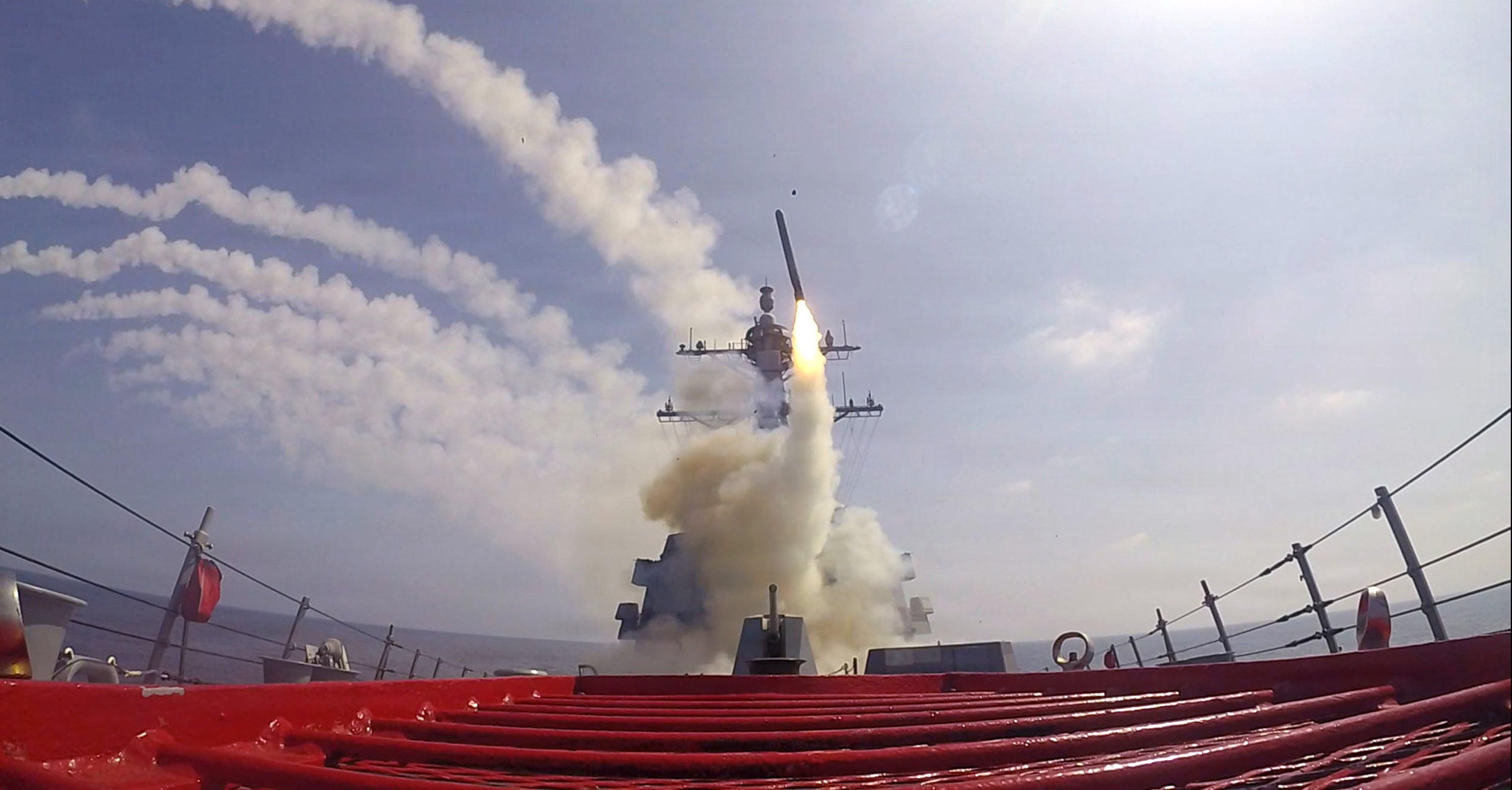 open image in gallery
“The fiscal year 2027 budget currently being considered on Capitol Hill could supercharge this effort today,” he added.
The demands come after weapons manufacturers were reportedly summoned to the White House in July, where they were allegedly urged to lobby Congress to pass another round of funding.
President Trump has insisted the U.S. still has “massive amounts” of weapons, though tempers have reportedly flared over the issue behind the scenes.
The president reportedly confronted Defense Secretary Pete Hegseth at Camp David last week over the munitions shortage, claiming he thought the problem “had been fixed” already.
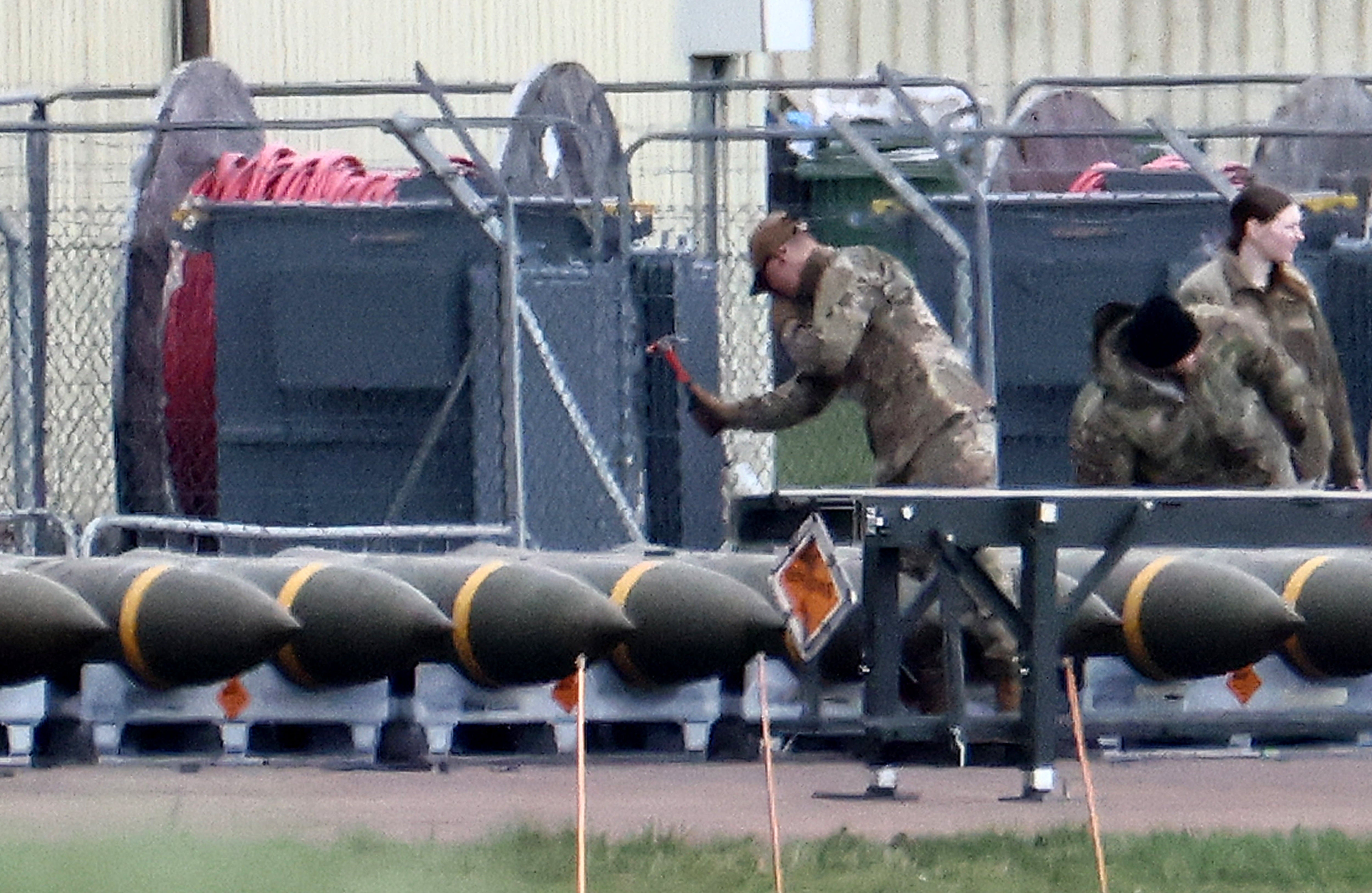 open image in gallery
The Trump administration has denied this account, while the president has threatened jail time for the “treasonous” leakers that fueled the reporting.
The U.S. has used nearly all of its stockpiled long-range precision missiles in the Iran conflict, CBS News has reported.
The military has also burned through roughly half of its Patriot interceptors and nearly four-fifths of its THAAD missile inventory compared to pre-war levels, according to CNN.
The Iran conflict has been something of a strategic mismatch. Tehran, despite possessing a much smaller military than the U.S., has pummeled American bases across the Middle East with low-cost, single-use drones, which the U.S. often has to use expensive interceptors to stop.
The US military had 2,330 Patriot systems and 452 THAAD systems before the war, according to a July report from the Center for Strategic and International Studies. As of July 27, CSIS estimated 759 to 827 Patriot systems and 234 to 278 THAAD systems remained.