


Watching Roku’s AI channel is like eating from a trough
Startup Fairground wants to win people over with a never-ending stream of slop.
Startup Fairground wants to win people over with a never-ending stream of slop.
by Aug 7, 2026, 6:59 PM UTC Image: Roku / Fairground
 Charles Pulliam-Moore is a reporter focusing on film, TV, and pop culture. Before The Verge, he wrote about comic books, labor, race, and more at io9 and Gizmodo for almost five years.
The appeal of free ad-supported streaming television (FAST) channels has always been the way they make it easier to (re)discover classic films and series. But Roku’s latest experiment in the FAST space has less to do with traditionally produced entertainment and is entirely focused on giving viewers access to a constant source of AI-generated content.
This week, Roku added four new channels to its library of streamable programming. Along with dedicated feeds for old episodes of Mad TV, Whose Line Is It Anyway?, and a variety of Black sitcoms, the platform also debuted a 24/7 stream filled with projects from Colin Petrie-Norris’ AI startup, Fairground. Partnering with Roku is a significant step up for Fairground, which launched in 2025 and is reportedly working on its own AI-generated adaptations of Robin Hood and Dracula. But watching the Fairground channel, you get the distinct sense that Roku hasn’t really gotten all that much out of the deal aside from the ability to say that it’s getting in on the gen AI craze.
Like all FAST channels, Fairground AI Creator TV is filled with a curated selection of programming that you’re meant to watch somewhat passively. While you can scrub forward and backward a few seconds, there’s no way to choose exactly what kinds of videos the channel serves up. That might add a fun sense of discovery to the channel if it featured series and films that were actually riveting. But everything that I saw while watching for about an hour was more or less the same kind of short-form slop that text-to-video models have become known for.
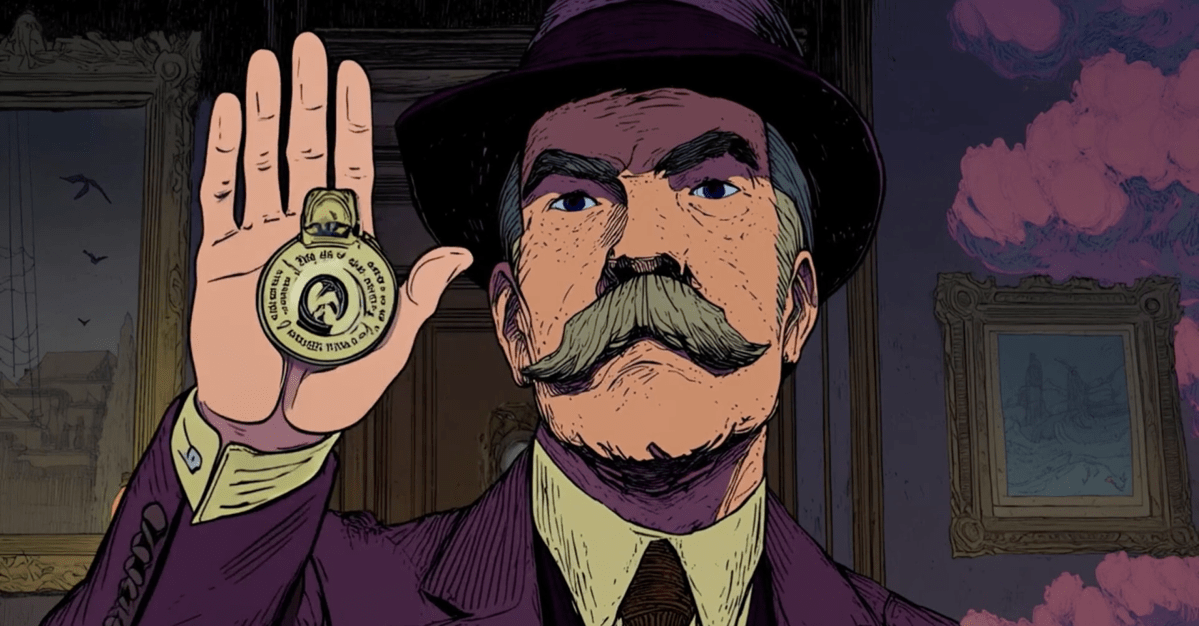
Aside from being produced with AI, there’s no consistent theme or genre to any of Fairground’s programming — all of which is made by a selection of content creators who have partnered with the company. Some videos are clearly generated by models trained on footage ripped from professionally produced anime, while others just look like terrible “lifelike” CGI. Surprisingly, there were semi-cohesive narratives to some of what I watched. I could follow what was going on in a “live-action” horror about people destroying a demon by making fun of it, and I got the sense that a fantasy about Greek heroes might have been inspired by The Odyssey.
 Image: Roku / Fairground
You can tell from the videos’ length and the way their audio is mixed that there was some degree of post-production editing. But the videos’ general lack of visual polish makes it obvious that they were cobbled together from machine-generated clips rather than shots crafted by a human artist. And the overall shoddiness of Fairground’s programming becomes especially apparent whenever the stream cuts to an ad — this is a FAST channel — for one of the traditionally produced movies and shows Roku offers.
Fairground’s website makes a point of emphasizing that it pays its content partners for their generations in addition to giving them an undisclosed share of the platform’s revenue. There’s no mention of which models are used to create Fairground’s content or whether it secured rights to use whatever training data is in the mix. But Fairground does stress that its programming is designed for “the living room, not the feed,” which says a lot about what kind of niche Petrie-Norris and his team are trying to carve out.
Most AI production startups have framed themselves as being poised to revolutionize the entertainment industry with technologies that will render traditional production workflows obsolete. Generally, the “Hollywood is so cooked” set insists that AI will soon be able to churn out films and shows comparable to a major studio’s, but that doesn’t really seem like the approach Fairground is leaning into. Rather than trying to be just as good or better than regular programming, it feels like Fairground simply wants its content to exist in the same general space as stuff that people might intentionally go looking for. Apparently, Roku thinks Fairground’s offerings are good enough to be platformed, which is depressing, but not altogether shocking as the company enters its Fox era.
Fairgrounds’ content isn’t at all impressive, but its presence on Roku gives the startup a way to reach a massive audience of potential viewers. It’s easy to imagine an AI company seeing a business opportunity in the “looking for something mindless to play in the background” crowd, but this stuff doesn’t feel like something anyone would want to put on.
Follow topics and authors from this story to see more like this in your personalized homepage feed and to receive email updates.