


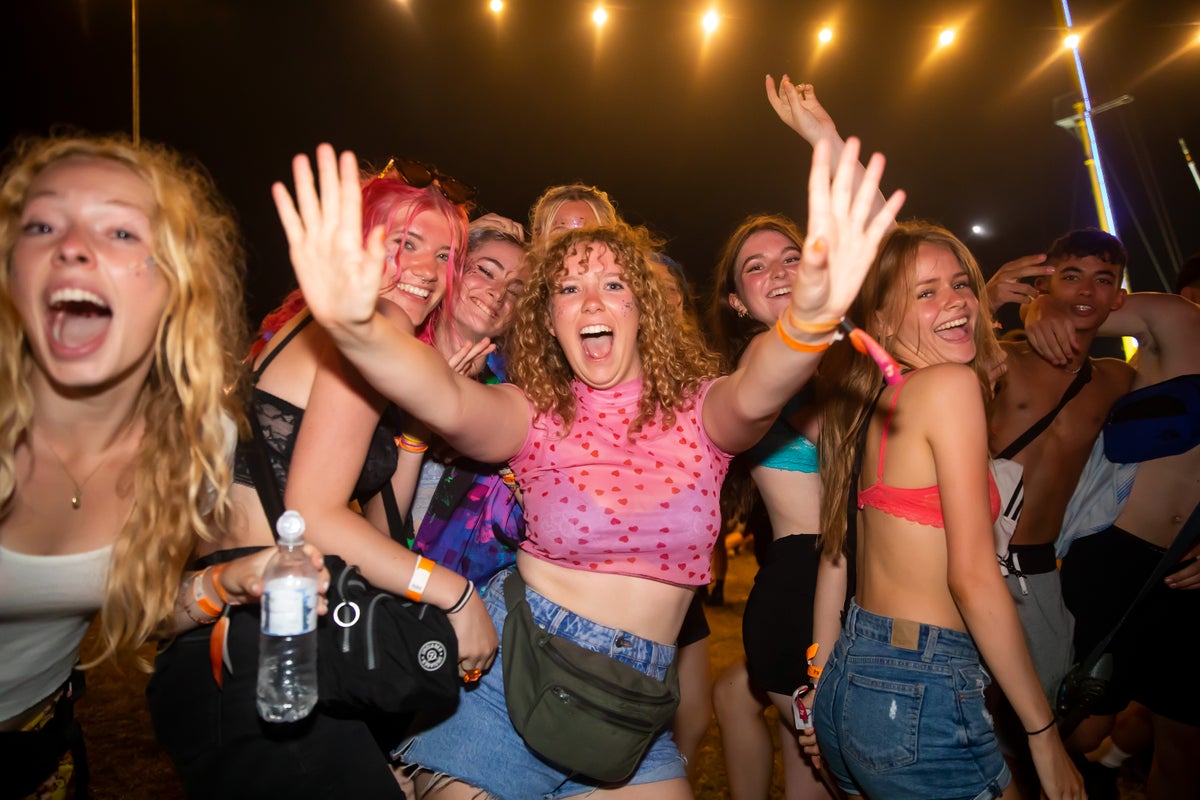
A police force using live facial recognition at a young people’s festival insists the controversial technology is “not mass surveillance or mass data capture”, but is being used to keep people safe.
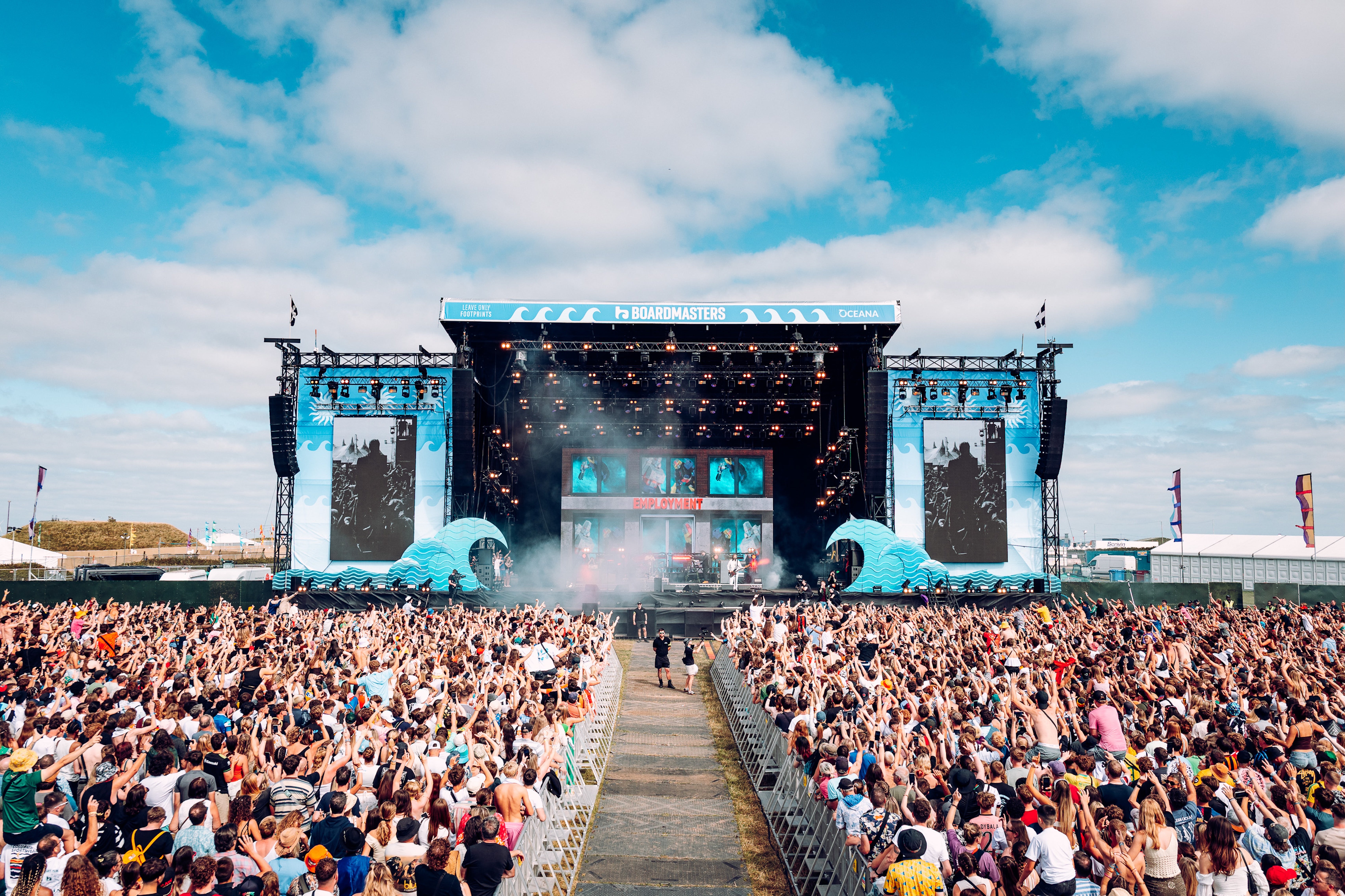
Devon and Cornwall Police will use a police van with the biometric camera for the first time on people attending Boardmasters Festival this weekend. The event, with headliners including Fatboy Slim and Lily Allen, is expected to draw in a crowd of 50,000 across the three days.
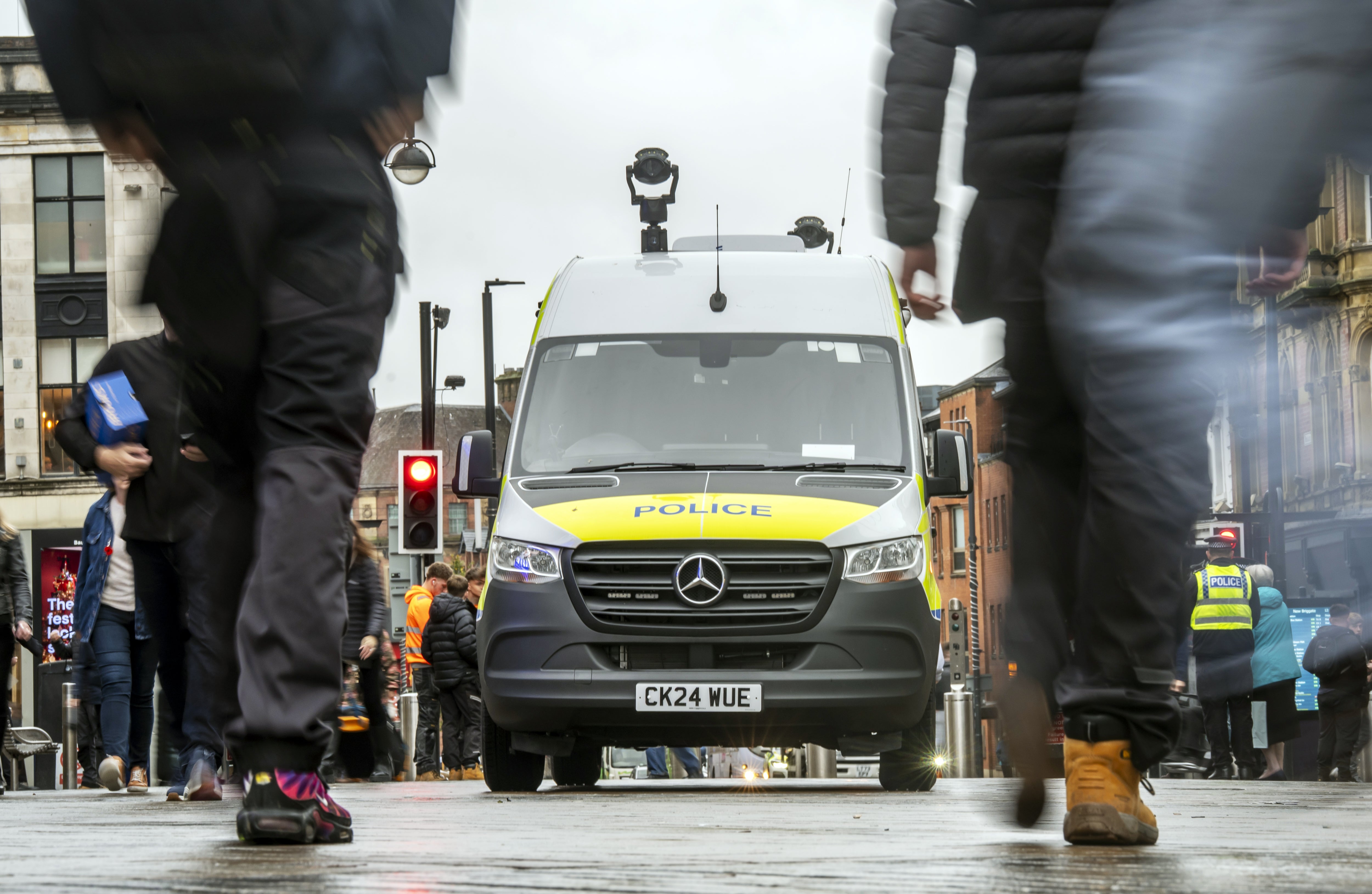
The unit will be positioned in Killacourt, close to the stage, and will be manned by six police officers. The camera will read the faces of passers-by, and issue an alert if anyone matches a “watch list” of thousands of known criminals or those wanted for crimes.
The “watch list” will include suspects, people with sexual harm prevention orders and those suspected of dealing drugs in the area.
Use of the live facial recognition technology has prompted concern from liberty groups, however. Earlier this year, two members of campaign group Big Brother Watch lost a High Court challenge against the Metropolitan Police over concerns it could be used arbitrarily or in a discriminatory way.
The government has already signalled plans to increase the number of vans with the technology from 10 to 50 for forces across England and Wales, despite strict rules on its use, and although currently being set up, is not yet in place.
Speaking to The Independent, Chief Inspector Peter Shabytah, who will be leading the live facial recognition operation at the festival, said deployment of the technology was not something the force did “willy-nilly as they fancy”, but was to support a specific policing purpose to keep people safe.
 open image in gallery
He said anyone whose face was scanned but did not match the “watch list” was deleted within a few tenths of a second, with no record of the face kept afterwards.
He said: “I would reassure them [attendees] that it’s not something that we deploy lightly and where we do deploy it, it’s essentially to keep them safe from people who are there to commit crime.
“Sadly, people will be coming to Boardmasters with the sole intention of selling drugs to people there, and we know it’s young people. And of course, as a police officer, my worst fear is that a bad batch of drugs goes in and cause[s] serious harm to youngsters.
“And so I feel if we have tactics that will allow us to in some way prevent that happening then we should be using those tactics. I would reassure the community that it’s not mass surveillance, it’s not mass data capture. It is entirely trying to keep communities safe from being victimised.”
Chf Insp Shabytah said that a legal framework from the government on use of the technology would “certainly help all sides”, but that the force was already following legislation on data protection and human rights. The force, he said, had also developed safeguards around deployment of the technology.
 open image in gallery
He said success from using the kit would be measured on the number of people arrested for serious offences, and also the providing of a visible presence that could deter antisocial behaviour, with the event historically bringing a spike in crime in the area. Last year, six people were arrested by Devon and Cornwall Police.
He added: “Rather than a police officer having to remember in their head these faces and then go ‘is that the person I saw’, now we have a piece of technology that can hold thousands of images in its database and it can match with almost 100 per cent accuracy much better than a human can.”
Across the UK, the technology is also being used to find missing and vulnerable individuals. In setting out the plan to increase the number of vans in January, home secretary Shabana Mahmood said forces were “fighting crime in a digital age with analogue methods”.
This week, Tory shadow home secretary Chris Philp said he wanted to bring in greater use of facial recognition technology to investigate crimes.
This article was amended on 6 August 2026. It originally inaccurately stated that the cameras would be used at the festival itself. They will in fact be deployed at Killacourt, in Newquay town.