


As Iran and Oman close in on a deal to open the Strait of Hormuz, there is growing optimism that the main hurdle preventing peace talks to end Donald Trump’s war may be cleared.
Esmaeil Baghaei, the spokesperson for Iran’s foreign ministry, said an agreement is in its “final stages”, while US president Donald Trump said an “all-day negotiation” had taken place with Tehran on Tuesday.
Senior Trump administration officials, including secretary of state Marco Rubio and treasury secretary Scott Bessent, suggested a deal was imminent earlier this week – but an agreement had not been reached by Thursday morning.
Read more: Trump will sell a Hormuz deal as a success. It barely takes him back to where he started
 open image in gallery
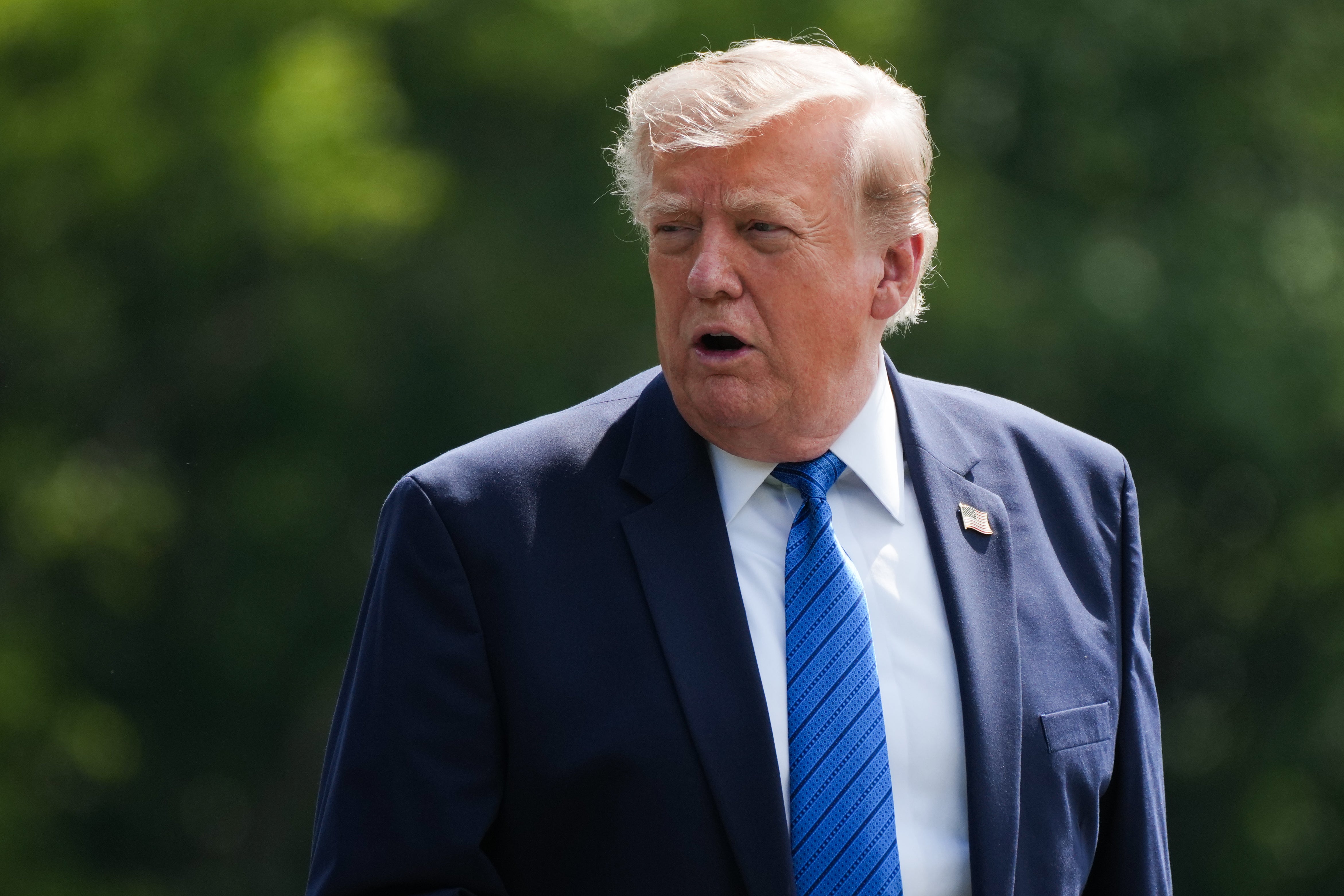
The contents of the current agreement remain unclear. Iran says the proposed deal would give it control over ships entering the Gulf through the Strait, in what would represent one of Trump’s biggest concessions yet.
Iran’s attacks on ships in the Strait have severely disrupted oil supply and caused chaos in the global energy market, leading to higher prices for consumers.
Despite optimism growing over a deal, US officials have been clear that they will not allow Iran to control the world’s most important waterway for energy supplies.
The Independent looks at three key scenarios that could take place in the event of a deal – or a collapse in negotiations.
The deal holds and Hormuz reopens
Throughout the war, Trump has oscillated between threats of escalation against the Iranian regime and talking up diplomacy.
After five months of conflict, much now hinges on whether Oman can negotiate a deal on Hormuz which is acceptable to Washington.
In the event that Muscat’s negotiators succeed, it would bring an end to a long stalemate. Tehran established its blockade in response to the launch of the US-Israeli war on 28 February – and attacks on ships continued even during a fragile US ceasefire deal that collapsed earlier this month.
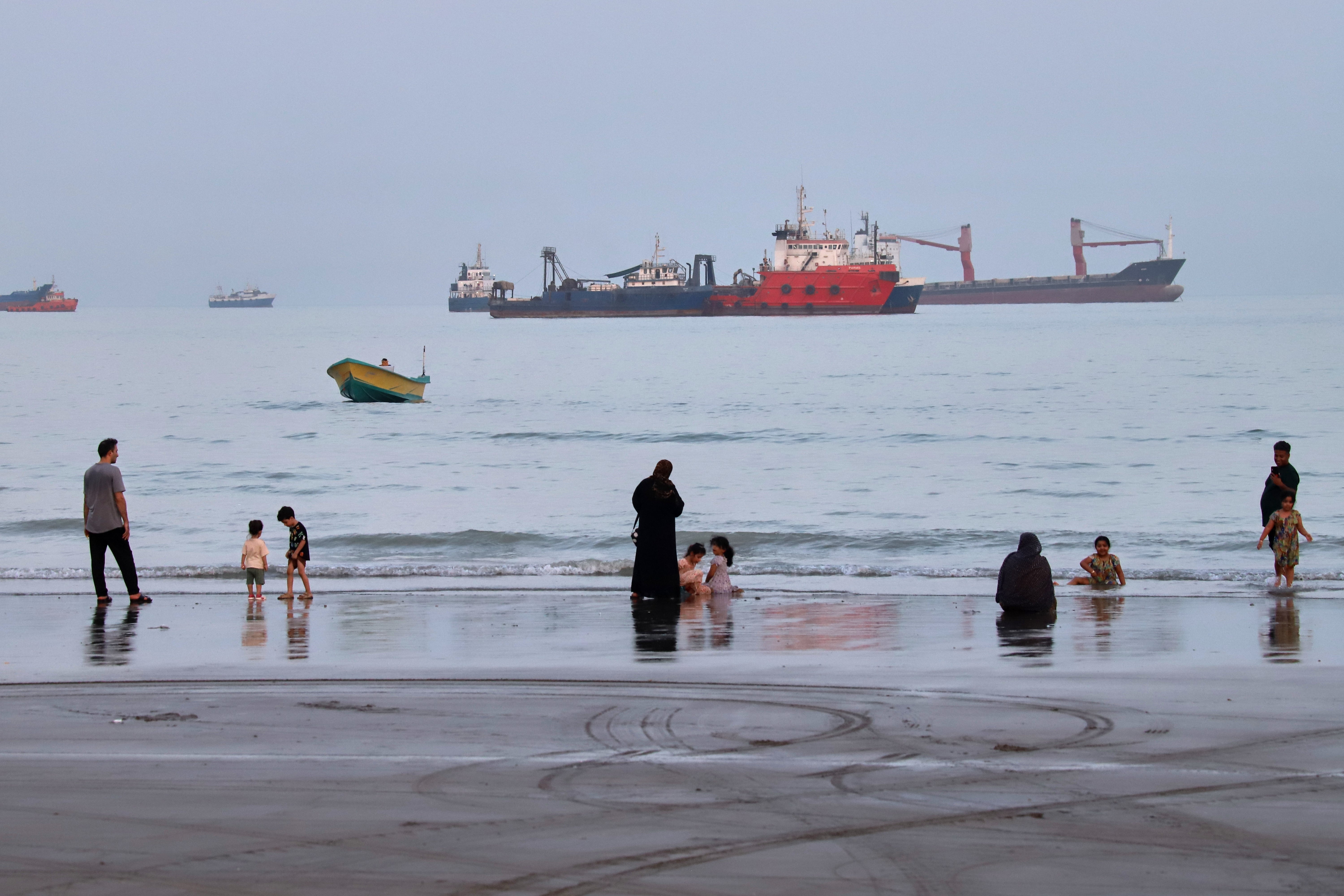
While it may take time to restore shipping to pre-war levels, the free flow of vessels would undoubtedly bring crude oil prices down after they soared to a peak of $114 a barrel in May.
 open image in gallery
While they dropped to $71 following the the Iran-US memorandum of understanding in mid-June, oil prices increased again after the resumption of heavy strikes between Washington and Tehran. It is hoped that a new deal could bring prices down more permanently.
Brent Crude, the international benchmark, is currently priced at $80.
A cold peace and return of proxy war
The US and Iran could drop back into a phase of cold peace, with limited military operations on both sides hindering further progress towards a peace deal.
This limbo phase has defined much of the US-Iran war: periods characterised by tit-for-tat strikes and contained aggression that have not escalated into full-scale conflict. Recently, the US has carried out operations in Hormuz, while Iran has struck targets in Gulf neighbour states.
Such strikes continued even during a supposed ceasefire deal between the US and Iran, leading UN secretary general Antonio Guterres to suggest in June that the agreement was actually “a lesser fire” with the constant risk of escalating.
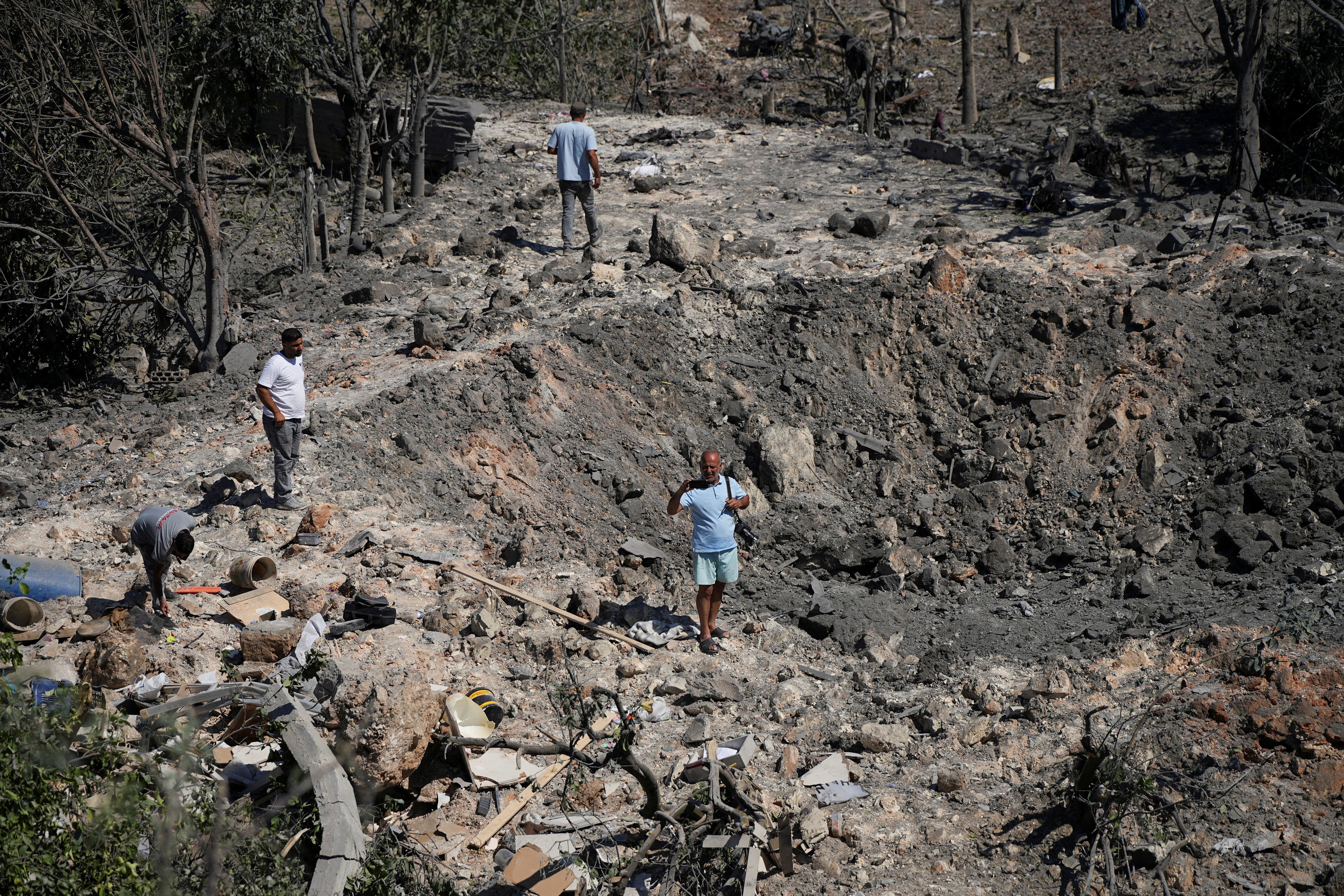
Meanwhile, a war being fought between Israel and Hezbollah in southern Lebanon has also struggled to reach its conclusion – defined similarly by flare ups and both sides claiming ceasefire violations.
The two countries agreed in June to a US-brokered security arrangement intended to ease hostilities along the border.
But on Thursday, Israel said two of its soldiers were killed in southern Lebanon while Lebanese authorities said Israeli retaliatory attacks killed at least one person – suggesting the conflict remains unsolved.
 open image in gallery
The deal falls apart and fighting resumes
The risk of full-scale fighting between the US and Iran feels ever present – particularly after the failure of an earlier peace agreement to halt the war.
The glimmer of hope after the 17 June memorandum of understanding was signed, followed by an increase in shipping through the Strait of Hormuz, was dashed in early July when merchant ships were reportedly attacked and the ceasefire began to unravel.
Trump declared the ceasefire was “over”, referring to Iran’s leadership as “scum” and “sick people”.
It would likely take a major compromise on both sides – or a major concession from one – for the negotiations to produce an agreement which will see lasting peace around the strait.
Dr Neil Quilliam says one such deal would see “services” disguised as “environmental fees” being paid to Iran. This would be a major concession from Washington, which has rejected the premise of Iran collecting a fee for passage through the strait.
“[Trump] just needs the Gulf Arab states to sign up and live with the services fees – and given the alternative – a continuous war of attrition, this looks increasingly likely now,” he said.