


Samsung’s HDR10 Plus Advanced is launching this month on Prime Video
Samsung’s next-gen HDR spec is beating Dolby Vision 2 to the punch, but only on Samsung’s new TVs, and only for supported titles on Prime Video.
Samsung’s next-gen HDR spec is beating Dolby Vision 2 to the punch, but only on Samsung’s new TVs, and only for supported titles on Prime Video.
by Aug 4, 2026, 3:43 PM UTC Image: Samsung
 Stevie Bonifield is a news writer covering all things consumer tech. Stevie started out at Laptop Mag writing news and reviews on hardware, gaming, and AI.
After previewing HDR10 Plus Advanced late last year, Samsung’s not-Dolby Vision 2 spec will launch globally on Amazon’s Prime Video this month. The first TVs announced with support are Samsung’s 2026 lineup, which will be able to make use of the extra metadata to deliver more precise HDR that is optimized for what you’re watching, and tone mapping that can adjust for specific areas of the screen instead of applying one setting to the whole frame.
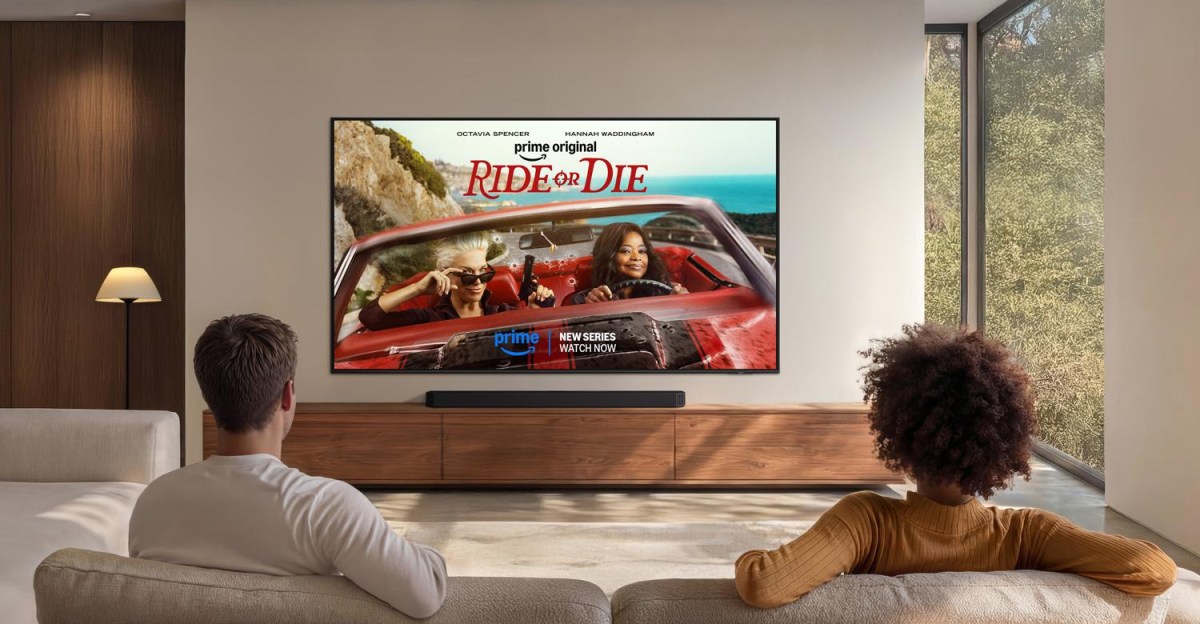
Samsung’s press release didn’t mention which titles will have support initially, or how many there are, other than including a press image showing off Amazon’s series Ride or Die. The news also comes just after Disney Plus in Europe briefly lost Dolby Vision support due to a patent dispute.
It has similar features to Dolby Vision 2, but without Samsung paying Dolby’s fee for the stamp, and also promises to add “Intelligent Motion Smoothing” that can adjust scene by scene. Hisense, Philips, and TCL have said their new TVs will support Dolby Vision 2, while Peacock and Canal+ are on board for content, but it’s not available for use yet and will likely require a software update for supported TVs when it does start to roll out.
Both formats are promising to make use of motion smoothing when it can benefit the viewing experience on fast-moving action like sports, while also backing off from adding the unsettling “soap opera” effect to film and TV content, but we’ll have to see it in action to know how well it works. The HDR10Plus Advanced FAQ explains more about how its metadata tags can cover both genres (Movie, Sports, Animation, News, or General) and specific details like lighting, motion, or perspective to inform how your TV processes what’s going on.
Follow topics and authors from this story to see more like this in your personalized homepage feed and to receive email updates.