


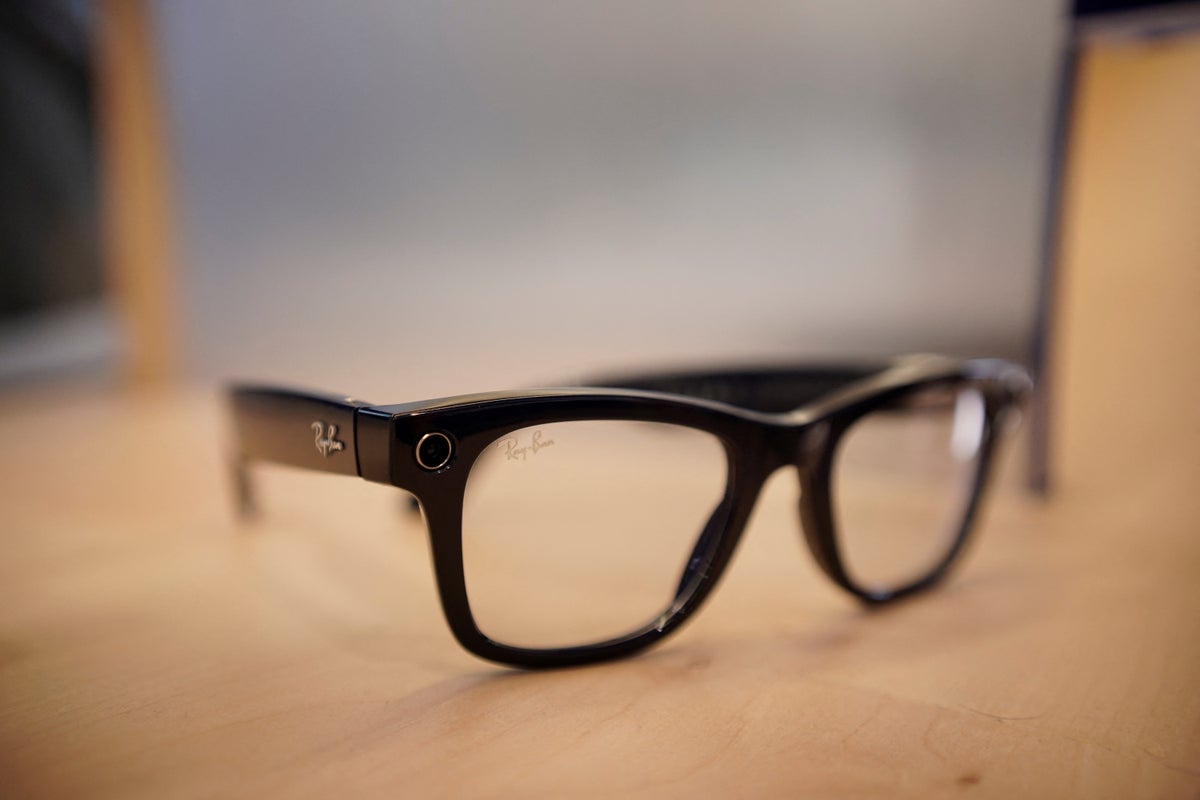
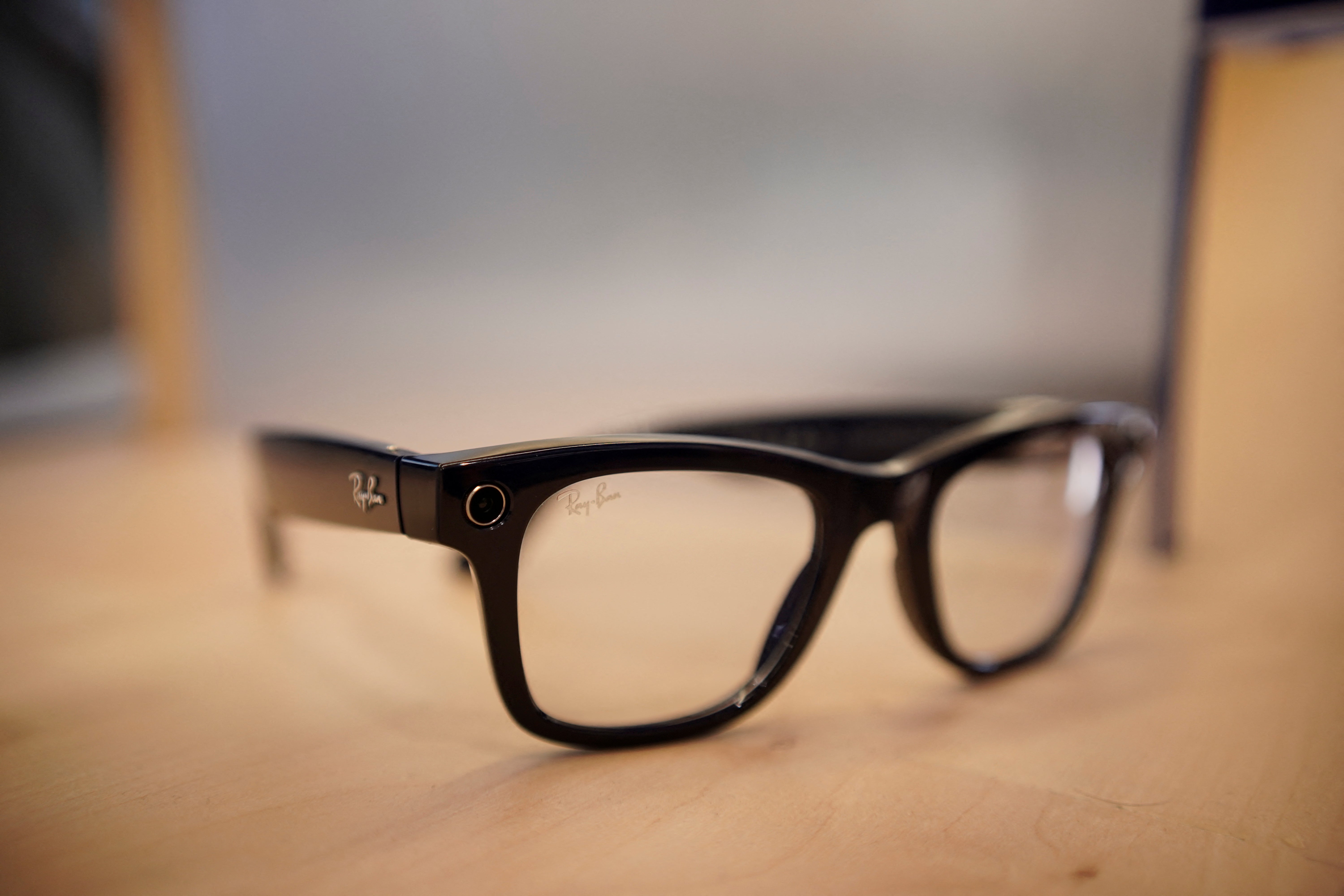
Police are probing reports from people who say they were filmed without their consent and posted on TikTok by a man using Meta glasses.
Police Scotland confirmed to The Independent on Friday officers are “assessing” the content posted by Scott Margerison, who is known as E Dobbin on the platform.
A number of videos shared show him filming him interacting with young women and girls who do not appear to know they are being filmed and commenting on their appearance and relationship status, as well as asking whether they are vaccinated.
Prank videos or “pick up” content, where women are approached by men who are unknowingly filming them and then posted to social media, have been widely criticised by privacy campaigners and women’s rights groups after women said they were left feeling “violated” and “scared” by the interactions. There are hundreds of these videos across Instagram, YouTube, and TikTok.
It comes after Instagram head Adam Mosseri said last week the platform would work to ban such content on the platform, saying the app’s owner Meta would fight the trend “every way that we can”.
 open image in gallery
When asked by The Independent if it would look to take similar action, TikTok maintained its community guidelines already prohibit videos which harasses or bullies others. But hundreds of videos targeting women who do not appear to know they are being filmed are still active on the platform, with hundreds of thousands of views.
The videos are often accompanied by degrading or sexist comments including calling women “cheap” and “easy” or comments on their appearance.
Similar videos are also available on YouTube, who also said they prohibit “harassment and doxxing, unwanted sexualization, and dangerous or threatening pranks”.
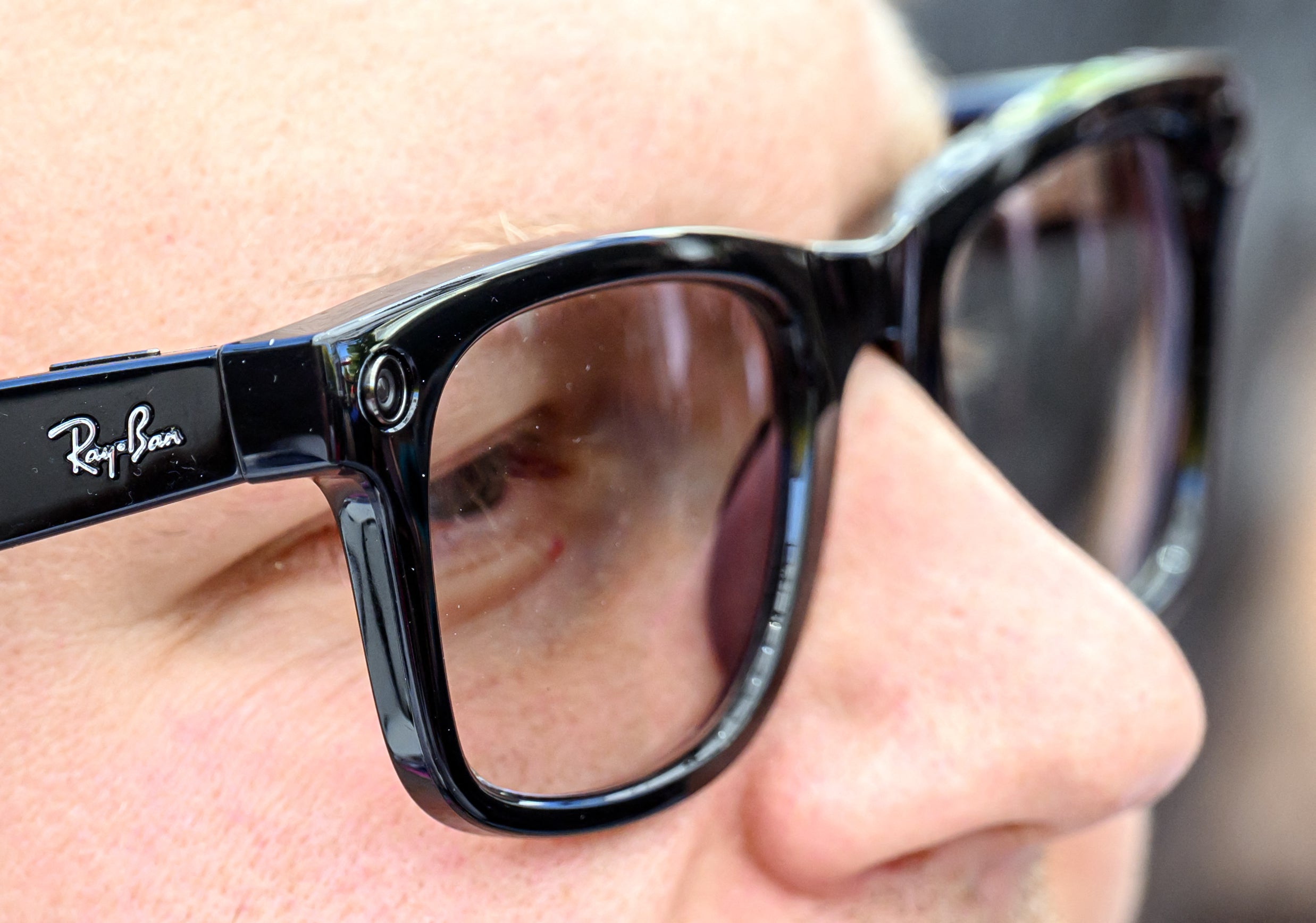
Mr Mosseri said Instagram will take down this kind of content during an “ask me anything” session on the platform, adding that Meta glasses now “basically stop working” if users try to tamper with the built-in LED light.
However, he did not give details on how the crackdown will work beyond this.
“If you’re posting content that is taking advantage of people and harassing them, like a lot of these pickup line kind of videos that we’ve heard of and seen, then we’re going to take the content down,” Mr Mosseri said. “We don’t want people to be surreptitiously taking videos of other people and harassing them and then posting them on our platform. So we’re trying to fight that every way we can.”
Last week, the BBC reported that Monopoly Events, the company behind Comic-Con, banned Meta glasses from its events to stop “secret filming” of guests and attendees.
Earlier this year, The Independent spoke to Isobel Thomason, who was stopped by a stranger on the street who asked her out before telling her he had been filming the whole interaction using his glasses.
 open image in gallery
“In that moment, I literally felt my heart drop,” the 22-year-old said of the moment the man told her he was filming.
“I just thought, ‘Oh my God, this is so dystopian, so bizarre.’”
Professor Clare McGlynn, who is a legal expert in online abuse against women and girls at Durham University, said she believes Mr Mosseri’s comments come out of a “conscious desire to counteract the growing negative publicity about these abusive glasses”.
But she said unless the technical capabilities of the glasses themselves are changed, she does not believe they will stop being used to harm women and girls.
“Whilst at one level it is welcome that they recognise these glasses are being used at scale in harmful ways, I’m not holding my breath to see what they do about it,” she explained.
“The reality is that this is not just about showing the videos on Instagram. It’s about the technical capabilities of the glasses themselves.”
Emma Pickering, head of the tech-facilitated abuse and economic empowerment team at domestic violence charity Refuge, warned that as wearable technology becomes embedded in our lives, protections for survivors “must keep pace”.
“Tech companies, regulators and policymakers all have a role to play in ensuring that wearable technology cannot be exploited as a tool of abuse,” she added.
“It is unacceptable for the safety and wellbeing of women and girls to be treated as an afterthought once technology has been developed and distributed. Their safety must be a foundational principle, shaping both the design of wearable technology – including features such as this one – and the regulatory frameworks that govern it. Without robust safeguards and meaningful accountability, women and girls will continue to bear the cost of technological progress.”
The Independent was not able to contact Mr Margerison for comment.
TikTok said it does not allow content that harasses or bullies others, and that it takes action to remove videos when they are reported.
A Meta spokesperson said: “We designed our AI glasses with privacy and safety features built in from the start — informed by engagement with safety experts. Our glasses have always had an LED light that activates whenever someone captures a photo or video for their gallery. They also feature tamper detection technology, and we are updating the glasses to disable the camera if they detect the LED was physically tampered with or destroyed.
“No other kind of camera has done this and we’re proud to lead the industry forward. We have teams dedicated to ensuring our glasses feel great for wearers and the people around them, so we can continue delivering products that make everyday life better.”
A YouTube spokesperson said: “YouTube has long-standing rules against harassment and doxxing, unwanted sexualization, and dangerous or threatening pranks. These policies apply to all content, regardless of how it was filmed or created. Additionally, all users can request removal of YouTube content that uniquely identifies them by filing a privacy complaint.”