


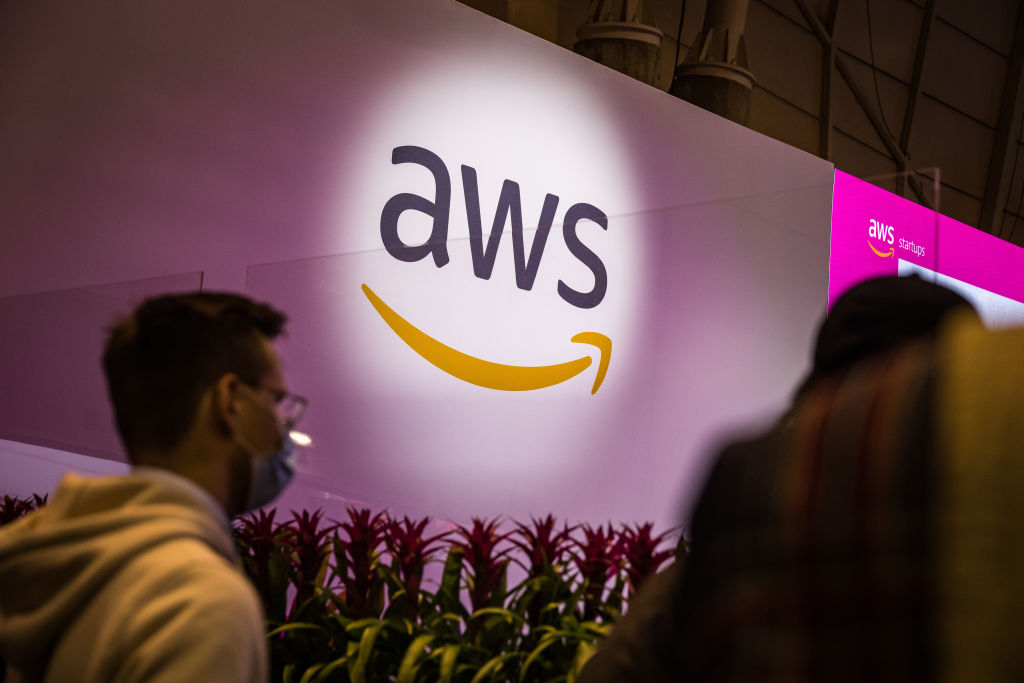
On Tuesday, the AI company Recursive Superintelligence announced a $400 million compute deal with Amazon Web Services. The company, which emerged from stealth in May with $650 million in funding, is focused on building open-ended self-improving systems, a potentially compute-intensive approach to AI research. This multi-year deal is meant to provide flexibility as the company looks to scale up those systems.
Recursive’s $400 million outlay represents the bulk of the company’s fundraising to date— but on a call with TechCrunch, Socher emphasized that he expected it to be the first of many such deals. Today’s announcement is “likely going to be one of the smallest compute deals we’re going to sign in the next few years,” Socher said.
Recursive’s emphasis on self-improving AI systems means much of the budget that would traditionally go towards headcount and operations is put straight into compute, as the company seeks to automate its own product development process.
“For us, it’s less about headcount and more about agent count,” Socher said.
There’s no investment component to Amazon’s involvement, in contrast to major labs’ habit of hybrid investment arrangements. But the sheer scale of the commitment allows AWS to commit significant resources to supporting Recursive’s unique needs, which may help to draw in other foundation-level AI companies going forward.
“Part of the agreement is that we’re going to co-develop infrastructure purpose-built for these types of company,” said Jason Bennet, VP for startups and venture capital at AWS.
Recursive self-improvement (RSI) has long been seen as an inflection point for AI, with some expecting an explosion of progress once AI can be improved without human involvement. But as more labs and companies pursue the idea, the specific requirements have become ambiguous, with some predicting an imminent breakthrough while others characterize self-improvement as more of a continuum.
But in Recursive’s case, the goal is to use the powers of RSI to develop actual products — and Socher expects to be releasing the earliest examples before the end of the year.
“We are excited to build like really amazing products that people can use, and you will see those within a few months, not within a few quarters or years,” Socher says. “In October or so, you’ll see some actually tangible, useful things that you’ll be able to play around with.”