



The State of Rhode Island gave Taylor Swift a not-so-golden “gift,” just in time for her wedding to Travis Kelce: a new tax bill.
Formally known as the Non-Owner Occupied Property Tax Act, the measure, nicknamed the “Taylor Swift Tax,” took effect on July 1 – just days ahead of her rumored Madison Square Garden nuptials.
The law targets residential homes assessed at more than $1 million that are not used as primary residences, particularly luxury second homes and vacation properties that sit vacant for at least 183 days a year. The tax adds $2.50 for every $500 of a home’s assessed value above $1 million, in addition to regular local property taxes.
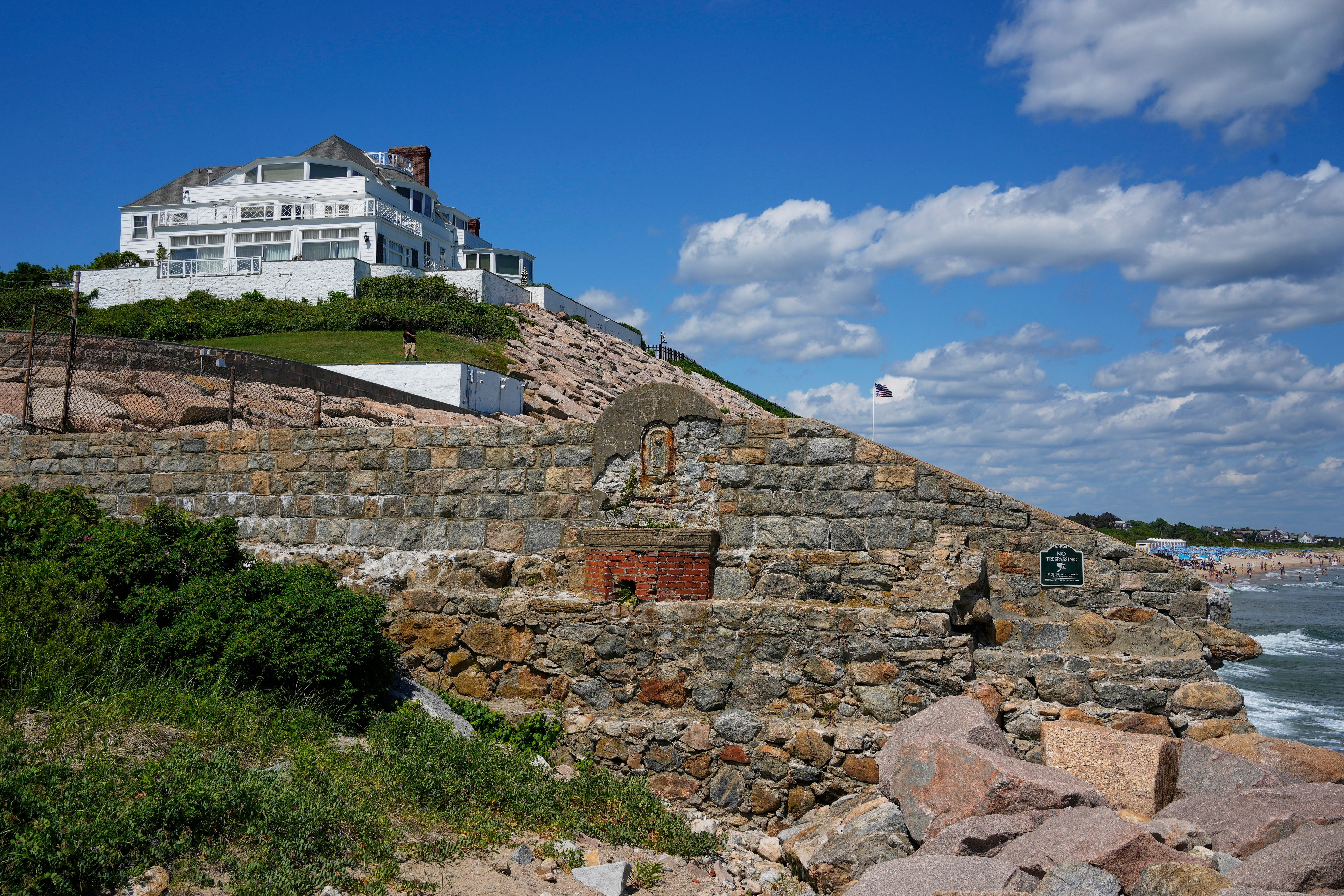
For example, the bride-to-be’s famous Rhode Island mansion, known as the “Holiday House” and assessed at over $28 million, could see a significant tax increase under the new rules. If Swift doesn’t live there for more than half the year, her annual bill would rise by about $136,000, unless she qualifies for an exemption. The figure is based on the town’s assessed value, not its potential sale price.
Revenue from the tax will go toward Rhode Island’s Low-Income Housing Tax Credit Fund, which helps finance affordable housing projects across the state.
 open image in gallery
 open image in gallery
As of May, Rhode Island had identified 22,431 residential properties valued above $1 million, with about 8,245 classified as non-owner-occupied and potentially subject to the new tax. The state notified affected property owners who may owe the tax earlier this year.
However, homeowners have two ways to “shake it off:” they can either rent the property long-term for more than half the year, or turn it into a frequently booked short-term rental, such as an Airbnb, that pays lodging taxes to qualify for an exemption.
Michael Pereira, president of the Rhode Island Association of Realtors, said he isn’t a fan of the “Taylor Swift” label for the tax, arguing it distracts from the potential impact the measure could have on property values.

Enjoy unlimited access to 100 million ad-free songs and podcasts with Amazon Music
Sign up now for a 30-day free trial. Terms apply.
ADVERTISEMENT. If you sign up to this service we will earn commission. This revenue helps to fund journalism across The Independent.
Enjoy unlimited access to 100 million ad-free songs and podcasts with Amazon Music
Sign up now for a 30-day free trial. Terms apply.
ADVERTISEMENT. If you sign up to this service we will earn commission. This revenue helps to fund journalism across The Independent.
“It romanticized the actual act,” Pereira told WPRI. “She’s going to be paying over $130,000. It’s substantial.”
Pereira said he’s worried the way the tax is being handled could lead to confusion, with some homeowners getting bills even if they think they shouldn’t owe anything.
“People are going to receive bill notifications from the state who actually occupy the property, or perhaps have a rental,” Pereira said. “Is there a lot of red tape to prove that you’re innocent and you don’t owe the tax?”
He added that the policy could end up nudging some part-time residents to sell their homes, though it’s still too early to tell if recent market changes are actually connected.
“I just feel like the way we’re going about it … we’re deterring people to want to invest in Rhode Island,” Pereira told the news station.
Property owners can either pay the tax in quarterly installments starting September 15 or pay the full amount at once by that date.